The Use of Modern Technology in Interior Design: How the Industry is Changing

The Home Design industry has undergone a significant transformation in recent years thanks to the integration of modern technology. It is now possible to create smart and sustainable spaces that combine functionality with aesthetic appeal. In this article, we will explore how technology has improved design processes and introduced innovative solutions for modern homes. We’ll discuss advancements such as augmented reality (AR) and virtual reality (VR), smart home appliances, intelligent lighting, and smart switches, as well as their impact on users’ daily lives.

Modern Technologies Revolutionizing modern Home Design
With technological advancements, new tools have emerged that make designers’ work easier while enhancing the client experience. Let’s explore the most prominent innovations reshaping interior design:
1. Designing with AR and VR
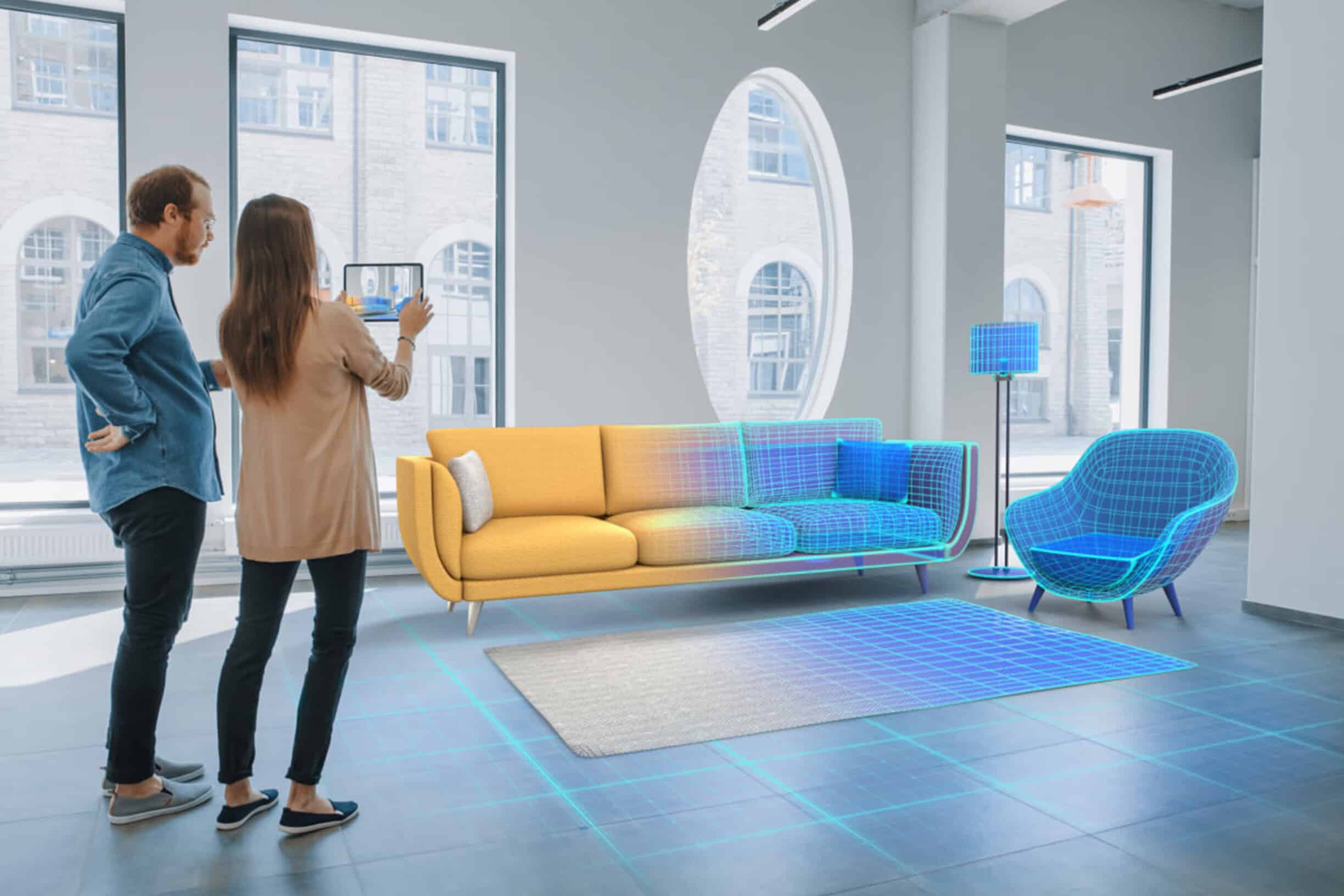
It is now easier than ever to present interactive 3D designs to clients using augmented and virtual reality technologies. Designers can use advanced software to showcase designs virtually, allowing clients to interact with spaces before they are physically implemented.
- Benefits of this technology:
- Reduces costs and time spent on revisions.
- Improves communication between designers and clients.
- Allows testing designs in virtual environments without the need for site visits.
For example, VR technology is particularly useful when designing kitchens or small spaces that require precise planning.
2. Smart Kitchens: Comfort and Efficiency
Smart kitchens are among the most popular applications of technology in interior design. These kitchens feature internet-connected appliances, such as smart refrigerators and voice-controlled ovens.
- Features of smart kitchens:
- Temperature and lighting control via smartphone apps.
- Energy efficiency through advanced appliances.
- Enhanced cooking experiences.
Modelling, visualisation and automation tools can support option testing and information coordination. Evaluate them for the task, data quality, interoperability and maintenance rather than assuming adoption alone improves design or guarantees savings.
3. Smart Lighting Systems: Beauty and Efficiency
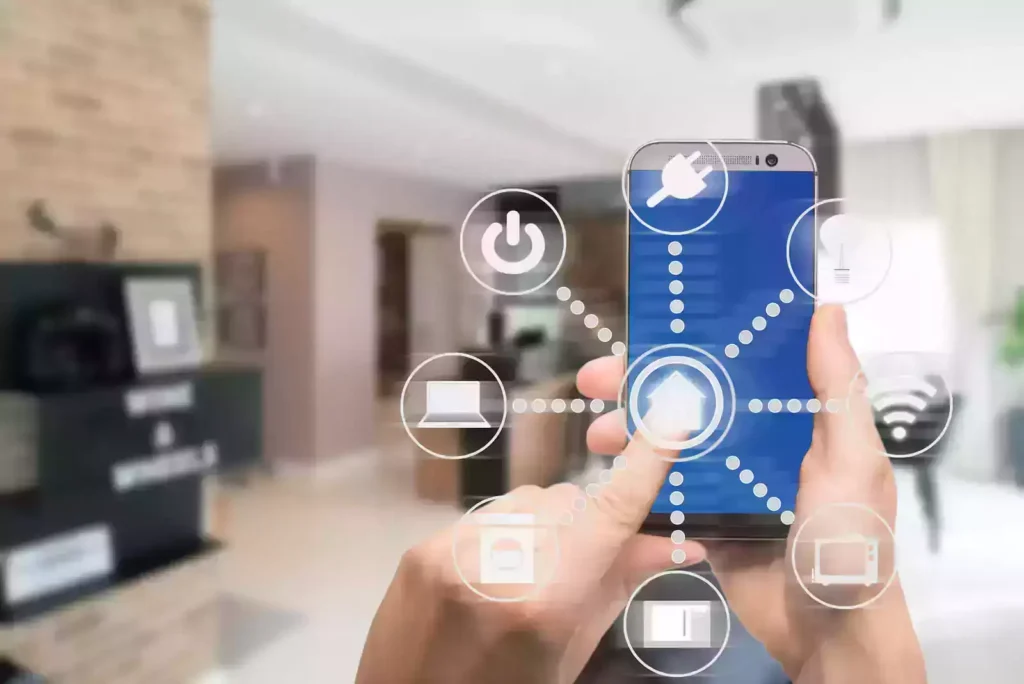
Smart lighting is one of the most common innovations in modern homes. These systems allow remote control of lighting, saving energy while adding an aesthetic touch to spaces.
- How does it work?
- Lighting can be adjusted for different occasions or times of day.
- No traditional switches are needed, as control is done via smartphones or voice commands.
- Lasts longer compared to traditional lighting.
For instance, smart LED bulbs enable customization of colors and brightness, creating comfortable and stylish atmospheres.
4. Smart Entertainment Systems: Limitless Fun
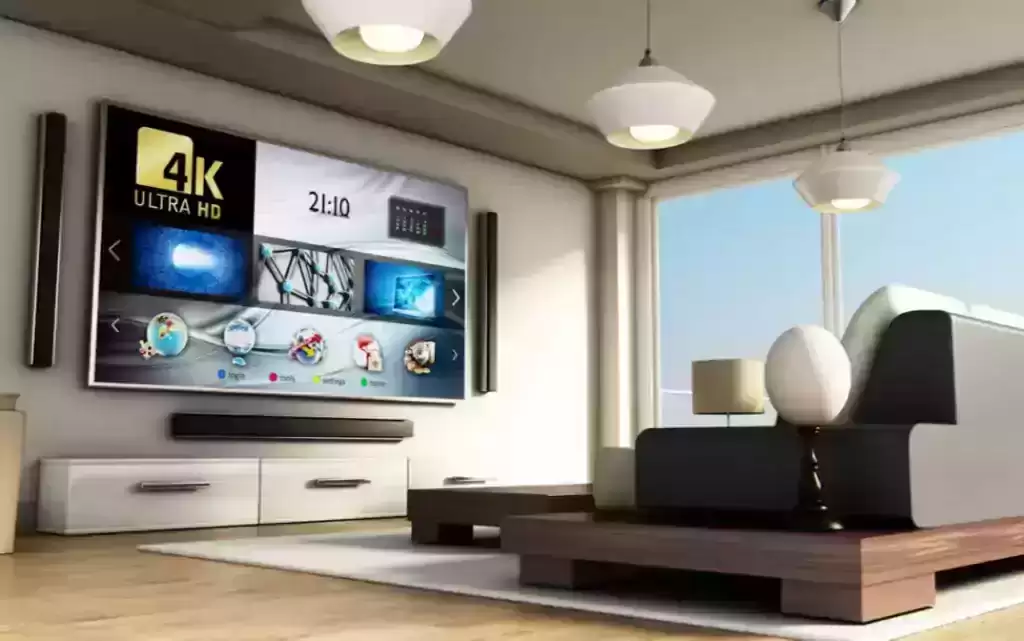
Home entertainment systems are no longer just about large screens and traditional speakers. Today, designers can integrate smart entertainment systems controlled by voice commands or apps.
- Common applications:
- Playing music, movies, and TV shows with ease.
- Connecting devices to create an integrated entertainment system.
- Enhancing the user experience with advanced audio and visual technologies.
Tools like “Google Home” and “Alexa” have become essential components of these systems.
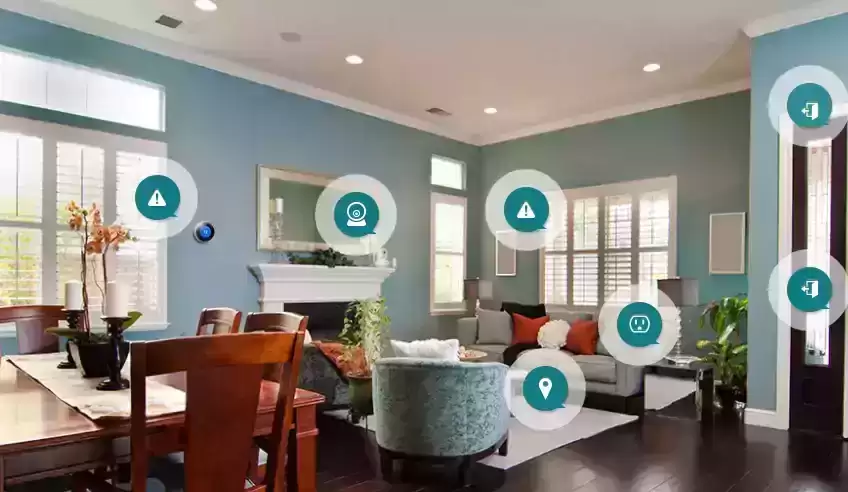
5. Smart Switches: Convenience and Comfort
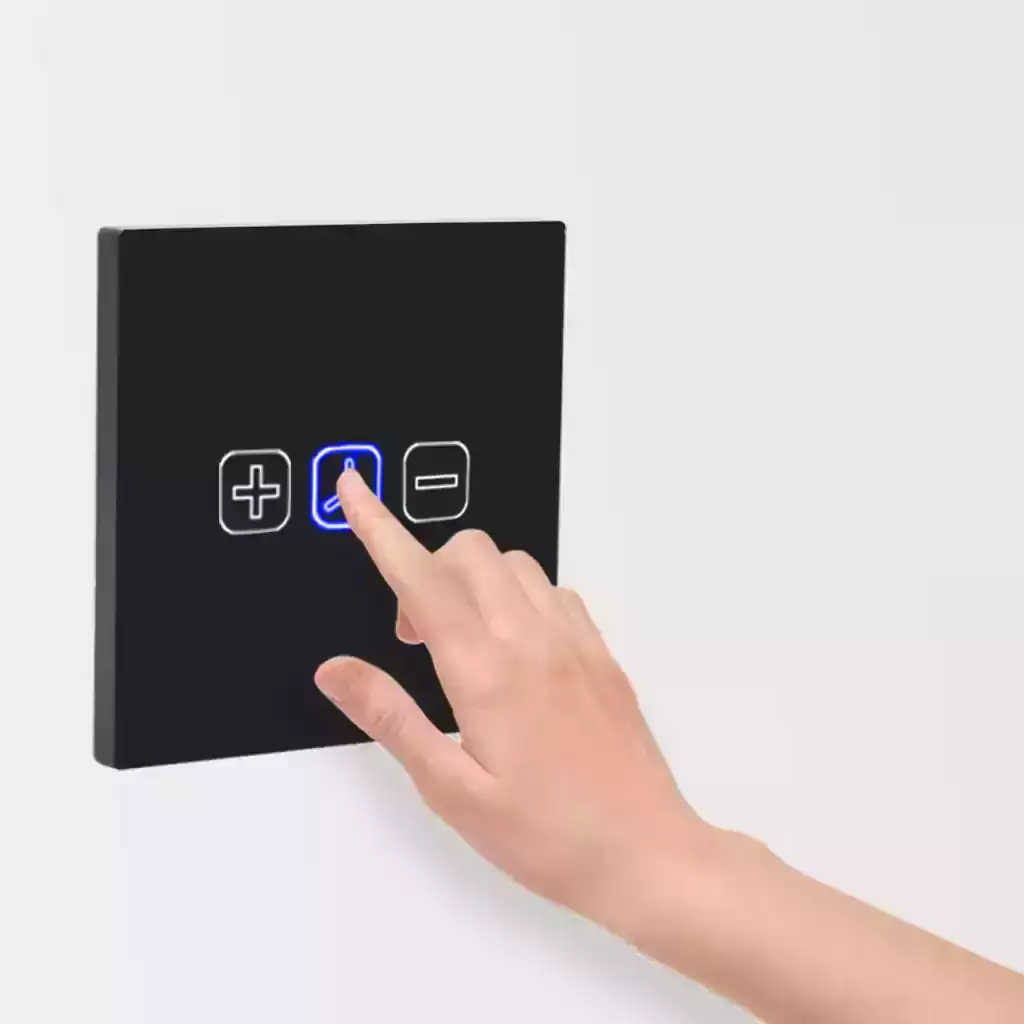
Instead of focusing solely on upgrading large appliances, designers can install smart switches that provide centralized control over lighting, fans, and even entertainment systems. These switches are energy-efficient and easy to use.
- Reduce energy consumption.
- Add value to the home.
ArchUp Opinion: Analysis and Discussion
While modern technology offers immense opportunities to enhance Home Design certain challenges must be addressed. For instance, the initial cost of some smart systems can be high, making them inaccessible to many. Additionally, there are concerns about privacy and security in smart homes, especially with increased reliance on the internet.
On the other hand, designers should focus on achieving a balance between technology and aesthetics. Modern technology should not merely be an “add-on” but should seamlessly blend into the design in a natural and unobtrusive way.
Frequently Asked Questions (FAQ)
- Does modern technology increase the cost of interior design?
- Not always. While some smart systems may have high upfront costs, they offer long-term savings through improved energy efficiency.
- Can I use modern technology in older homes?
- Yes, systems like smart lighting and smart switches can be installed in older homes without requiring major renovations.
- How do I choose the best system for my home?
- It depends on your personal needs and budget. Consulting an interior designer can help you select suitable solutions.
Summary Table: Key Points
In this way, we see how modern technology is no longer just a luxury but has become an integral part of contemporary Home Design.
Related reading: Smart Architecture: Principles, Applications and Smart Cities; Using virtual reality and augmented reality technologies in designing architectural projects.
Editorial review and correction — 19 October 2026: Errors in the earlier version were corrected, including correcting the earlier explanation: Modelling, visualisation and automation tools can support option testing and information coordination. Block markup was also repaired. Reviewed by Archive Data Agent.