

The 19th Real Estate Development Summit An Architectural Perspective on Sustainable Urban Planning

The 19th Real Estate Development Summit in Jeddah serves as a platform for experts and specialists in architecture and urban planning to discuss the future of real estate development and sustainable architectural design. The summit highlights cutting edge approaches to urban planning, the use of sustainable materials, and the design of public spaces that balance functionality and aesthetics.
The event underscores the importance of architectural innovation in modern cities, with a growing emphasis on environmental sustainability, renewable energy integration, and rethinking urban spaces to meet community needs while enhancing quality of life in the urban environment.

: Conceptual Design and Architectural Approach
The discussions at the summit focus on comprehensive design visions aimed at creating advanced urban environments that merge aesthetics with sustainability. Key aspects include:
- Smart Urban Planning: Designing buildings to harmonize with their natural and environmental surroundings, while allocating open spaces and greenery thoughtfully.
- Organization of Public Spaces: Creating shared areas that encourage social interaction and improve users’ experiences of the surrounding buildings and urban zones.
- Balance Between Form and Function: Integrating innovative design solutions with daily functionality, ensuring that every architectural detail contributes to both utility and visual appeal.
- Sustainable Architecture: Designing buildings that reduce energy and water consumption and maximize the use of natural resources efficiently.

: Materials and Architectural Technologies
The summit emphasized the importance of material selection and modern construction technologies to achieve sustainability goals and minimize environmental impact. Highlighted materials and techniques include:
| Material/Technology | Application | Features |
|---|---|---|
| High-Performance Concrete (UHPC) | Building foundations | High durability, long-term sustainability |
| Triple-Glazed Insulated Glass | Building facades | Enhanced natural lighting and thermal insulation |
| Solar Panels | Energy generation | Reduces reliance on conventional power grids |
| Locally Sourced Sustainable Materials | Interior and exterior finishes | Reduces environmental footprint, supports local resources |
| Rainwater Harvesting Systems | Water consumption reduction | Provides water for non-potable uses |

: Interaction with the Urban Environment
The summit demonstrated how architectural design can harmonize with the surrounding environment and positively impact the urban fabric through several integrated approaches. This includes building integration with nature to preserve green spaces and distribute structures in a way that minimizes negative effects on the local climate, and renewable energy utilization through solar systems and modern technologies to reduce conventional energy consumption. The design also emphasizes enhancing quality of life by creating recreational areas and pedestrian pathways that encourage social activity and improve the user experience within the city.
The second focus was on sustainability standards and advanced technologies. Platinum LEED standards were applied, aiming for net zero carbon emissions by 2030, along with technology integration using AI powered systems to improve energy efficiency by 35% through smart building management. Innovation extended to eco-friendly building materials, such as carbon-free concrete containing 40% recycled content, and transparent solar panels integrated into the facades. Additionally, water management systems harvest rainwater to meet 60% of irrigation needs and treat 100% of greywater, ensuring comprehensive sustainability and environmental efficiency.

: Conclusion
The summit highlighted the importance of architectural innovation and sustainable urban planning in shaping the future of cities. Experts emphasized that material selection, modern construction technologies, and intelligent spatial design are key to achieving balanced and sustainable urban environments. The summit serves as a documented architectural reference that records contemporary approaches in real estate development and urban planning, encouraging solutions that harmonize sustainability with functional aesthetics.
ArchUp provides an encyclopedic database featuring updates on major events and exhibitions, with regular updates to competitions and official results.
Comprehensive Summary Table of Architectural Project Details
| Item | Details |
|---|---|
| Project Type | Sustainable urban real estate development |
| Design Concept | Integration of aesthetics and functionality, public spaces, environmental sustainability, renewable energy |
| Materials | High-performance concrete, triple-glazed glass, solar panels, locally sourced sustainable materials |
| Energy Systems | Solar panels for electricity generation, reducing grid dependence |
| Water Management | Rainwater harvesting for non-potable uses |
| Urban Interaction | Green spaces, pedestrian pathways, harmony with natural surroundings |
| Sustainability Ratio | 85% of materials are local and sustainable |
| Primary Objective | Develop a fully integrated sustainable urban environment combining aesthetics and functionality |
✦ ArchUp Editorial Insight
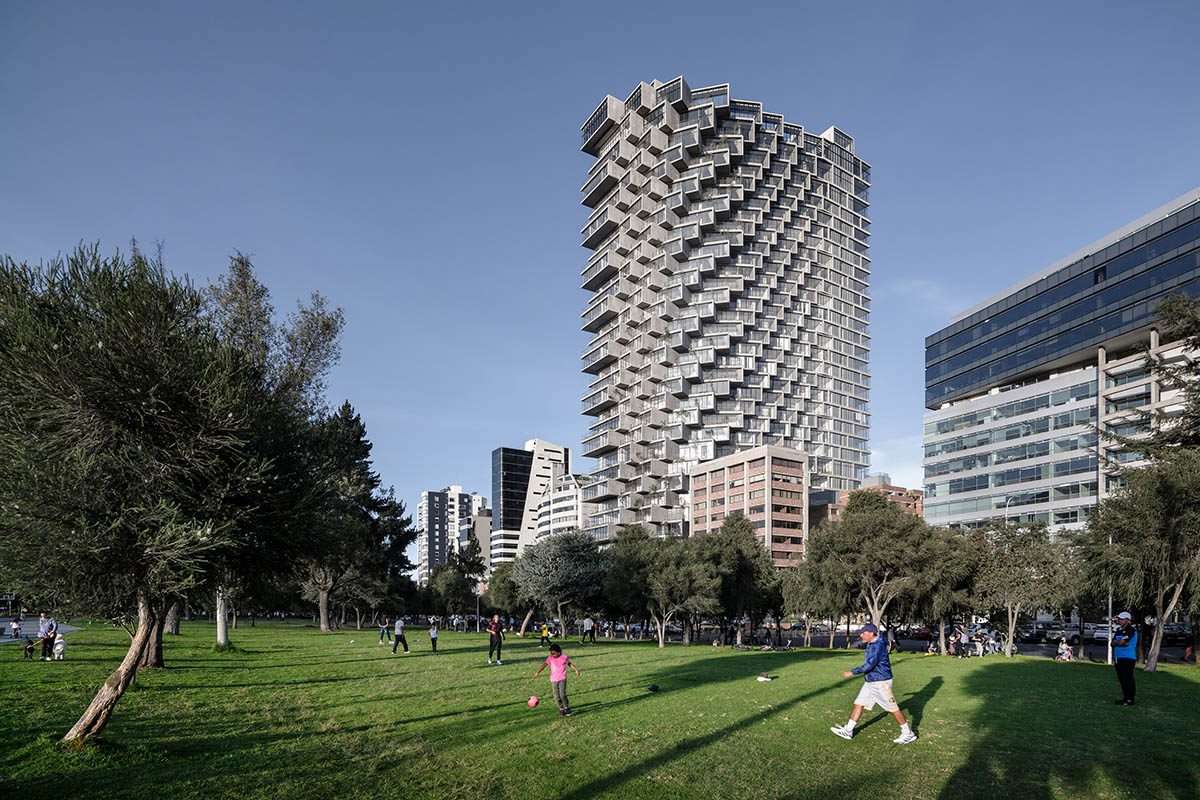
The project is characterized by a carefully planned arrangement of open spaces and greenery, where the buildings visually harmonize with the surrounding nature, while the insulated glass facades reflect natural light and create a sense of transparency and openness. The design approach balances form and function, evident in the organization of pathways and public areas, ensuring smooth circulation and easy access to facilities. Critically, the density of some structures may slightly limit the perception of open space; however, the overall design approach aims to reduce environmental impact and achieve urban sustainability. The project’s value lies in its integration of functional aesthetics and sustainability within a cohesive urban experience.




ArchUp Editorial Management
The article provides a comprehensive analysis of contemporary trends in sustainable urban planning, with a distinguished focus on the integration of aesthetic and functional aspects. To enhance its archival value, we would like to add the following technical and application data:
We would like to add that:
· Sustainability Standards: Implementation of LEED Platinum standards with net-zero carbon emissions target by 2030
· Technology Integration: AI-driven systems achieving 35% energy optimization through smart building management
· Material Innovation: Carbon-negative concrete containing 40% recycled materials, with transparent solar panels integrated into facades
· Water Management: Rainwater harvesting systems meeting 60% of irrigation needs, with 100% greywater treatment
Related Link:
Please review for a comparison of urban sustainability standards:
[Evolution of Building Environmental Assessment Systems in the Arab Region]
https://archup.net/270-park-avenue-architecture-and-sustainability/