When City Aesthetics Become a Collective Act

While walking through a quiet European town one winter afternoon, I stumbled upon a humble street corner in a beautiful city. There were no famous landmarks, no grand plazas or iconic towers — just a soft-lit café, a wooden-framed window, and an olive tree someone had planted at the edge of the sidewalk. Strangely enough, that moment felt deeply beautiful. Not because of extravagance, but because everything seemed to belong.
That experience triggered a deeper question:
Who creates the beauty of a city?
Is it the architect, the store owner, the municipal planner, or the branding experts? Or is a beautiful city simply one where details are respected and nothing is out of place?

Beautiful Cities Don’t Build Themselves
The idea that beauty “just happens” in a city is misleading. Beautiful cities are not accidents — they are outcomes. They’re built from thousands of intentional decisions and subtle collaborations between multiple parties. Cities don’t need a single artistic genius — they need collective sensitivity.
Table: Key Actors Behind Urban Aesthetics
| Stakeholder | Contribution to Urban Beauty | Practical Examples |
|---|---|---|
| Municipality | Urban codes – public lighting – sidewalk planning – tree placement | Unified building heights – signage regulations – maintenance of visual order |
| Architects & Planners | Building design – spatial rhythm – balance of materials and proportions | Respecting local identity – integrating old and new |
| Shop Owners & Landlords | Storefront aesthetics – signage – cleanliness | Thoughtful display windows – consistent façade design – minimal clutter |
| Brands & Corporations | Visual design – adaptation to context – ad restraint | Matching tone with surroundings – modest lighting – color coordination |
| Citizens & Pedestrians | Responsible behavior – spatial awareness | Clean public use – respecting both private and shared spaces |

Municipality: The Silent Conductor
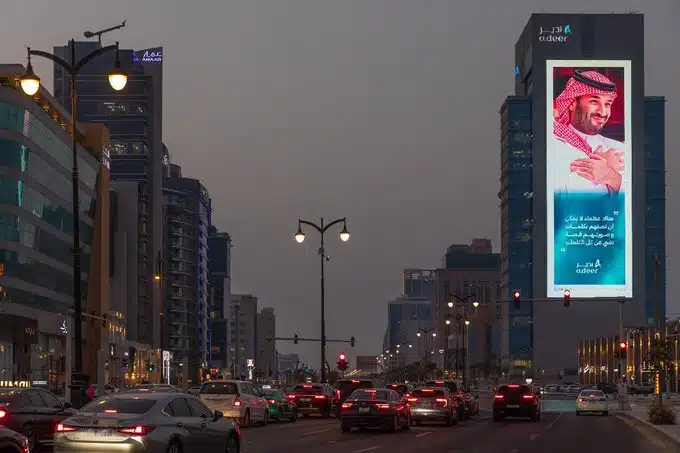
The municipality might not design or build every structure, but it sets the tone — the rhythm of urban life. Should there be a height limit? Can neon signs be allowed in heritage zones? Where can trash bins be placed?
These are not cosmetic issues — they shape the visual and emotional grammar of a city. Smart cities embed beauty into their urban policy, not just their tourist brochures.
The Architect: Turning Ideas Into Atmosphere
A good architect doesn’t just build — they curate space. How does the sun move through the area? How do textures respond to touch and light? Does the building embrace its street, or ignore it? Architects who care more about scale and silence than spectacle build the most beautiful cities.
The Shopkeeper: An Unseen Hero of Street Culture
Many of the world’s most charming streets owe their beauty to humble shopfronts. When a business owner respects the visual story of a neighborhood — using soft signage, appropriate lighting, and human-centered display — the entire area benefits. They may not see themselves as designers, but they set the tone for the pedestrian experience.

The Brand: Dialogue, Not Domination
Global brands often face a dilemma — should they enforce their visual identity everywhere, or adapt to the city they’re in? The smartest brands choose the latter. They don’t scream their presence, they whisper it. They understand that fitting in doesn’t weaken identity — it deepens it.
Empathy Shapes the Beautiful City, Not Just Blueprints
Urban harmony is not something you can fund into existence. It’s cultivated. It requires a shared respect for proportion, rhythm, and silence. From top-down policymakers to children not scribbling on walls, every small act plays a role in shaping beauty. It’s not about money — it’s about mindfulness.
Conclusion
Urban beauty is not the work of a single authority or creative mind. It’s a distributed culture. Not about flashy buildings or perfect sidewalks, but about a shared understanding of what fits, what flows, and what inspires calm. A beautiful city reflects its people — balanced, quiet when needed, and joyful without excess.
✦ ArchUp Editorial Insight
The article examines “Who Shapes Urban Beauty?” as a multi-layered inquiry into the interplay between spatial order and everyday visual composition. It outlines a restrained yet articulate architectural vocabulary, captured through references to sidewalk gradients, building proportions, and the tone of storefronts. While the narrative touches on contextual aesthetics, it stops short of addressing functional metrics or the challenges of urban expansion. From a critical perspective, the absence of deeper spatial analysis slightly weakens its relevance to contemporary urban discourse. Nonetheless, its framing of urban beauty as a collective act—rather than an individual vision—offers a compelling framework for rethinking future design strategies.
Explore the Latest Architecture Exhibitions & Conferences
ArchUp offers daily updates on top global architectural exhibitions, design conferences, and professional art and design forums.
Follow key architecture competitions, check official results, and stay informed through the latest architectural news worldwide.
ArchUp is your encyclopedic hub for discovering events and design-driven opportunities across the globe.