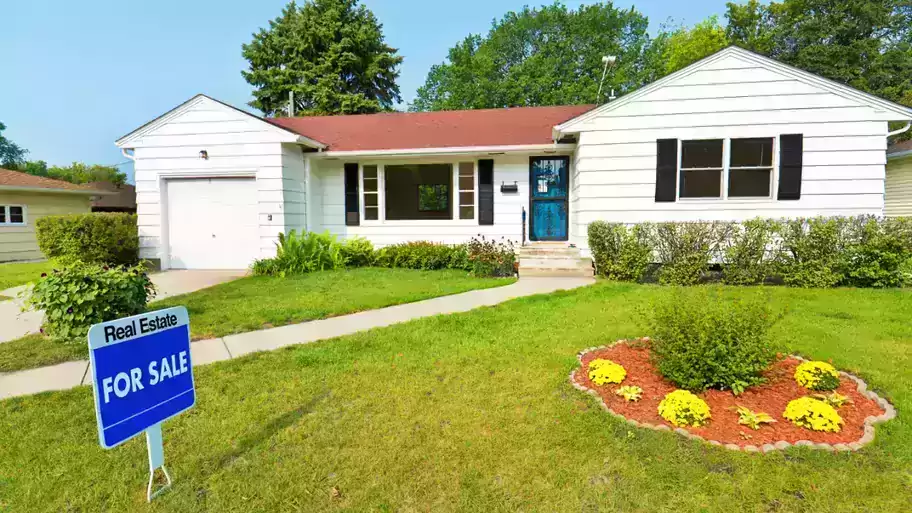
The problem of old design and solutions using renewable materials and keeping up with modern developments

Throughout the ages, the construction industry has had a series of innovations constantly, as we can see how technological developments have affected the construction industry,
From the durable concrete used in ancient structures to the steel used in bridges and skyscrapers.
Some materials have evolved over time, but others are new to the industry, and the need to keep up with housing demand has led to disasters
The escalating construction costs are creating the need to develop new innovative solutions. This article will discuss some emerging innovative building materials.

Hint boards
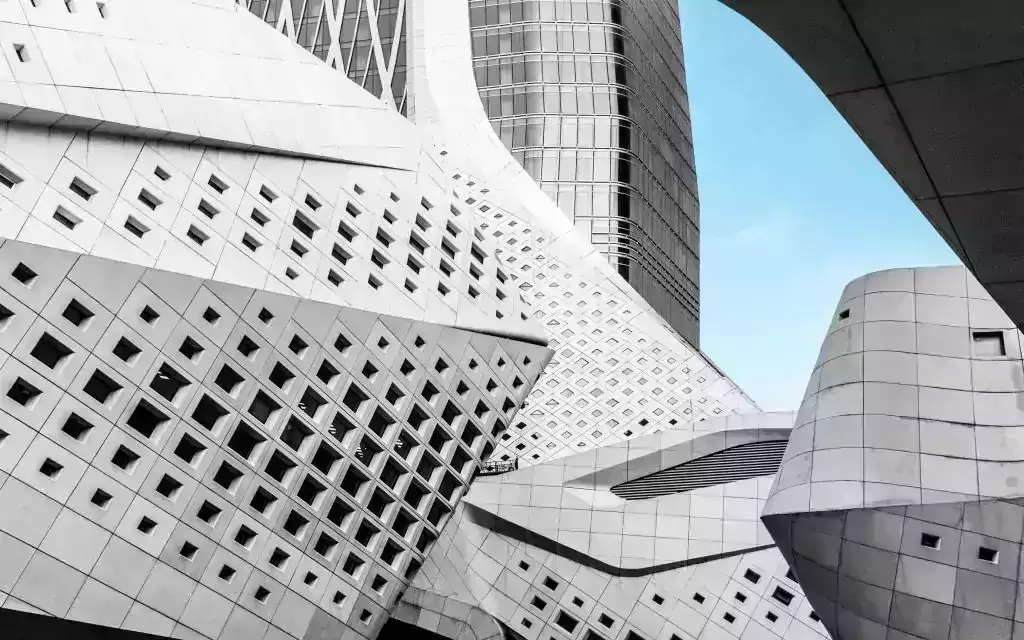
Hint boards are a form of cladding made of stabilized aluminum foam that creates rigid and light panels that look like a metal sponge.
They are also used for wall panels, facades, ceilings, floors, signage, and lighting fixtures.
Hint boards have outstanding properties such as acoustic insulation, durability, fire resistance and ease of installation.
transparent wood
Translucent wood is a revolutionary building material that is a great alternative to glass and plastic. It has the same strength as wood and is much lighter.
It is made by pressing and processing thin slices of wood. Lignin is replaced by polymers to make the wood transparent in the curing process.
Among the favorable properties of translucent wood are its lower density compared to glass, low thermal conductivity, and high optical transmittance.
Optical transmittance reduces the need for artificial light, thus reducing energy consumption.
Water porcelain
Hydro ceramics is a new technology for building walls and allowing the walls to react to outside temperatures.
These smart walls are made of clay panels and water capsules that absorb water to cool the building. The ceramic water wall acts as a cooling device by reducing the temperature and increasing the humidity.
Trapped water can evaporate when the outside heat rises and cooler air is expelled into the building, and these walls can reduce room temperature by up to 5°C.
It also increases humidity in hot, dry climates by 15%, making buildings habitable, and inexpensive clays and hydrogels make these buildings a low-cost alternative.
Painted concrete
Dyed concrete is made by adding dry powder or liquid concrete during the mixing stage, and we derive most of these pigments from iron oxide or pigments.
Traditionally, concrete is grey, but dyed concrete produces warmer shades of yellow, brown, red, green, blue and their color variants.
Stained concrete is not affected by corrosion, and exposure to heat and light does not fade the colors.
This type of concrete is used for floors, facades and other decorative applications.

Bamboo reinforced concrete
Steel-reinforced concrete is one of the most common building materials in construction, however, bamboo is an alternative material used for reinforcement.
Bamboo has been used in construction for many years due to its outstanding tensile properties, and bamboo is superior to wood and, in some cases, structural steel.
Most of the sustainability minded architects adopt bamboo in their construction, however, bamboo has some drawbacks when left untreated.
It can swell with water and rot. In modern construction, bamboo is not used in its natural tubular state.
The plant fibers are extracted and combined with natural resins, making for a versatile material with a strong structural matrix.
For more architectural news
https://archup.net/ventilation-problem-and-solutions-to-improve-air-quality-using-natural-ventilation-materials/