UAE Announces Major Desert Oasis Project

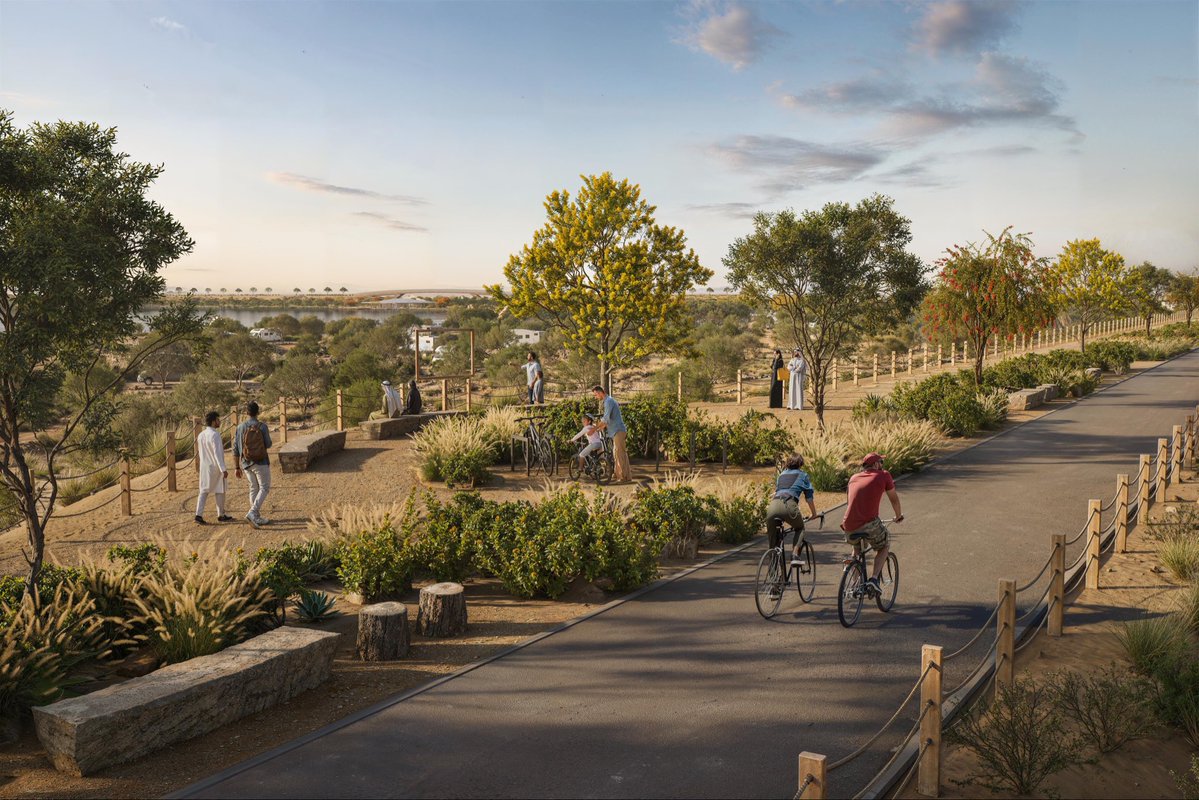
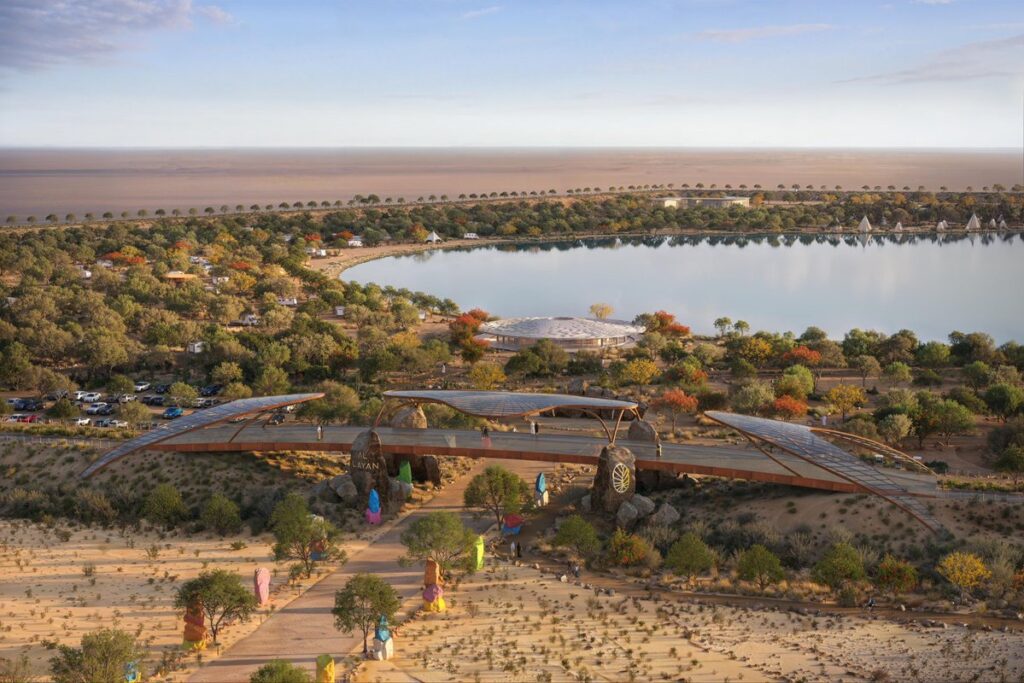
A significant news update reveals a major desert oasis project has been announced in the United Arab Emirates. The development is set on a vast 10 million square foot area. Furthermore, a central 2.5 million square foot lake will serve as the project’s core. The initiative aims to introduce unprecedented desert tourism and recreational experiences. This project is a component of a wider four billion dirham investment into green and water-based initiatives.
A New Vision for Arid Landscapes
This large-scale undertaking represents a new direction in regional urban planning. The project’s immense scale is particularly noteworthy in the current development climate. Moreover, its focus on creating a massive water feature within an arid environment is an ambitious feat of engineering. The construction will completely transform the existing landscape. Therefore, this desert oasis project aims to establish a new benchmark for future sustainable developments in similar climates.
Integrating Recreation and Nature
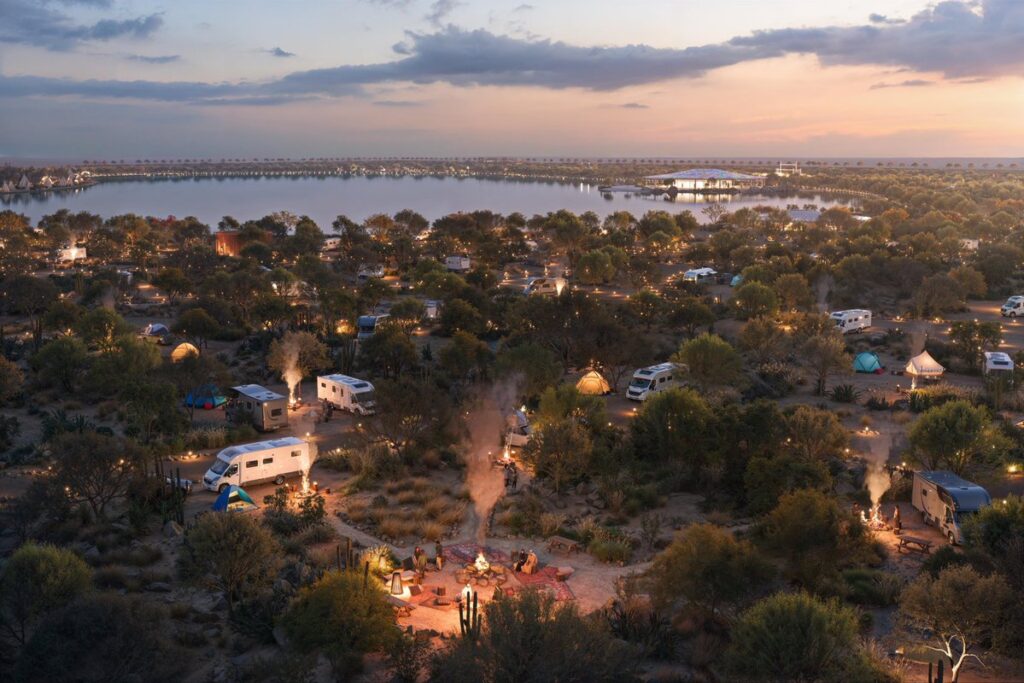
The masterplan heavily emphasizes user experience and outdoor activity. It will feature dedicated sports tracks designed for public enjoyment and fitness. Additionally, designated camping areas will allow for immersive overnight stays within the natural surroundings. The primary goal is to blend modern recreational facilities with the unique desert setting. The project’s architectural design focuses on creating a seamless transition between built structures and the natural environment. This focus on sustainability is a critical element of the design philosophy, impacting choices in building materials and energy use.
A Strategic Green Investment
This desert oasis project is not a standalone venture. Consequently, it forms a key part of a larger four billion dirham package. This substantial fund is dedicated to a series of water-based and green structures across the region. This strategic backing signals a strong national commitment to environmental stewardship and economic diversification. The long-term impact of such large-scale developments will be a key area for future architectural research.
How will this large-scale deert oasis project reshape regional tourism and architectural trends?
A Quick Architectural Snapshot
This major development, known as Al Layan Oasis, occupies a 10 million square foot site in the UAE. Its centerpiece is a 2.5 million square foot man-made lake. The masterplan includes recreational facilities, sports tracks, and camping areas, designed to offer unique desert tourism experiences within a green framework.
✦ ArchUp Editorial Insight
The project is the logical outcome of a top-down, state-funded economic diversification strategy. The allocation of a significant capital investment (four billion dirhams) toward a portfolio of green projects predetermines the need for large-scale, high-impact interventions. The decision-making framework prioritizes the creation of a marketable destination, leading to the selection of a risk-averse, water-centric tourism model. This financially driven approach necessitates the construction of a large, artificial attraction as the central organizing principle.
Consequently, the resulting architectural form is an exercise in logistical implementation rather than contextual response. The masterplan is a system for organizing pre-defined recreational activities around the primary asset the lake. The emphasis on sustainability functions as a crucial public-facing justification for a capital-intensive project designed to generate a new consumer market. The built environment is the symptom of this economic and political apparatus.