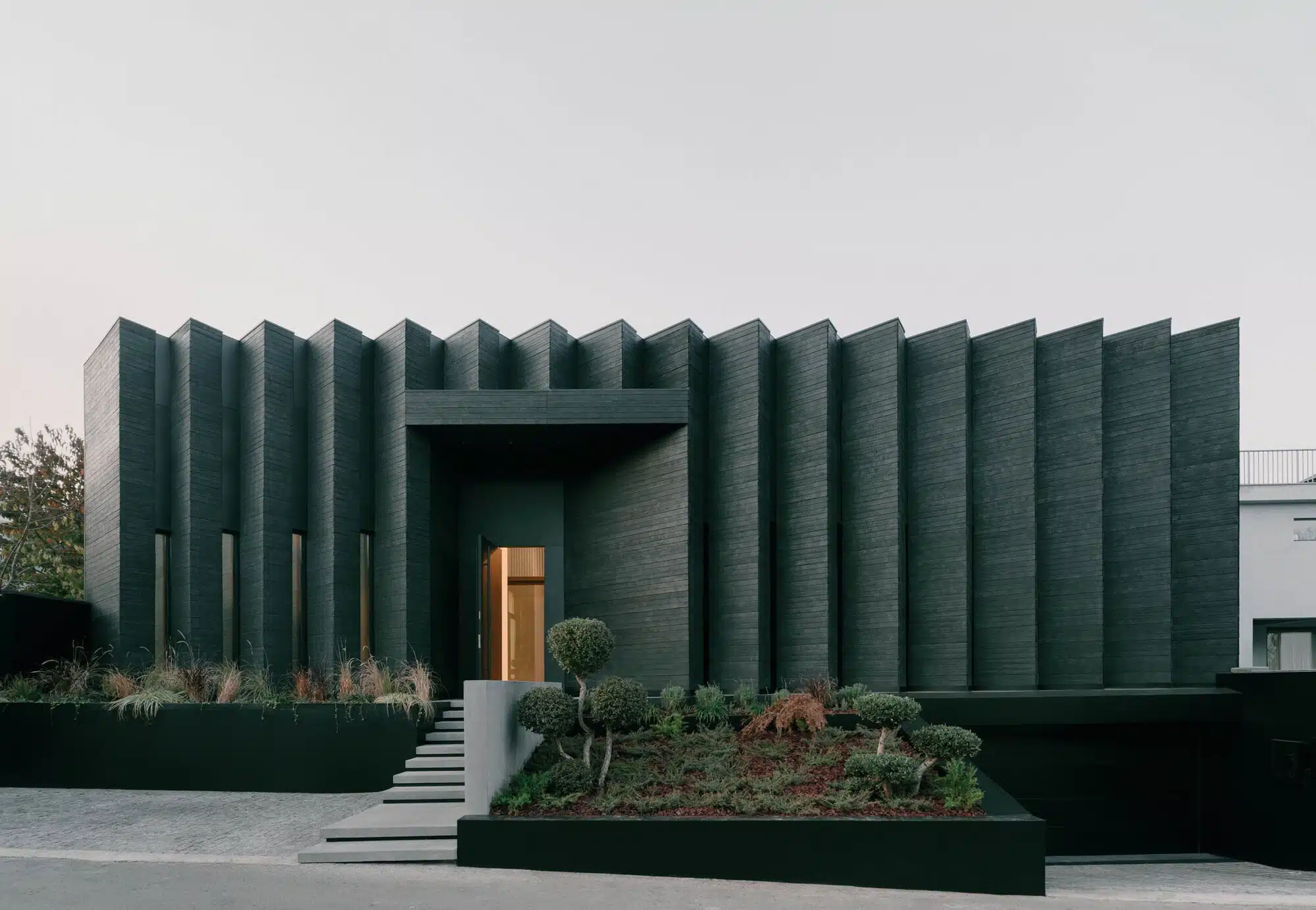
WatchHouse Project on the Thames Riverside: Reinterpreting the Relationship Between Urban Environment and Interior Design

River Extensions and Their Impact on Urban Design
The stretch of the Thames between the Tate Modern and St Paul’s Cathedral exemplifies urban vistas that maintain their visual and emotional impact over time. Such rivers often serve as a natural axis for the design of public spaces, providing a visually and culturally rich backdrop that can inspire architecture without being relied upon directly.
Interaction Between Environment and Movement
Designing spaces along rivers requires an understanding of the balance between stability and movement; the static urban horizon contrasts with the dynamic energy of the flowing river, creating a visual and conceptual tension that can serve as the foundation for a deeper user experience. Here, the idea transforms from a mere aesthetic view into a fully integrated spatial experience, reflecting the relationship between the natural environment and the surrounding urban fabric.
From Theory to Practice
These concepts often remain theoretical, as translating them into tangible buildings without losing their essence can be challenging. However, successful design connects these elements in a balanced manner, making the river an integral part of the daily experience of the space rather than just a visual backdrop. This approach enhances the value of urban spaces, making them more approachable and comprehensible to users.


The River as an Axis for Design
The stretch of the Thames between the Tate Modern and St Paul’s Cathedral exemplifies urban vistas that retain their visual impact over time. In this context, the natural and architectural scenery can serve as a starting point for understanding the relationship between environment and place. When engaging with riverbanks, design becomes an opportunity to explore the tension between the urban stability of the built environment and the dynamic energy of the water, creating a renewed and lively spatial experience.
Interaction Between Space and Structure
Achieving this balance requires deliberate movement within the space. For instance, incorporating a circular opening in the ceiling can echo iconic architectural elements, transforming them from sacred symbolism into a tangible everyday experience. Beneath this opening, a single central piece can serve as a focal element, connecting the languages of surrounding materials with the industrial character of the river infrastructure. These elements do more than decorate; they enhance the user experience, making the space deeper and more interactive compared to conventional interior design approaches.
Drawing Colors from the Environment
Colors play a pivotal role in shaping the overall impression of a space. A palette derived directly from the surrounding environment can be used, such as the varying shades of the water throughout the day, the whitened stones of the pavements, and the ever-changing city sky. Adding subtle layers of finishing that reflect light dynamically allows the space to feel alive and evolving over time, softening in the morning light and warming in the afternoon. This approach ensures that the design responds to nature and time, rather than remaining static and self-contained.


Site Selection and Its Impact on Spatial Experience
Project locations play a pivotal role in shaping the user experience. When designing a space along a riverbank, the site itself becomes part of the design concept, where the visual features and surrounding environmental patterns can guide spatial arrangement and interior atmosphere. Here, the site contributes to balancing movement within the space and provides a sense of vitality without relying on additional elements.
Balance Between Scale and Mood
Even medium-sized spaces can deliver a profound experience if carefully designed. The overall calm and balanced mood of the space helps enhance the user’s sense of comfort, allowing attention to focus on spatial details, materials, and colors. This makes the experience more engaging and responsive to the surrounding environment.


✦ ArchUp Editorial Insight
The project provides an example of how integrating the natural site into the spatial experience can be achieved. It demonstrates the designers’ attention to connecting the river with the surrounding urban fabric, adding both visual and functional depth to the space. The focus on movement within the space and the use of colors drawn from the surrounding environment reflect an effort to make the space more responsive to temporal changes and natural light.
However, the project shows limitations in addressing several key aspects that could be valuable for architectural research and urban analysis:
- Limited Environmental and Artistic Analysis: Emphasis on scenery and aesthetic theory overlooks a broader study of how natural lighting affects different materials, as well as the connection between spatial movement and the daily functions of users.
- Sustainability and Social Interaction: It is unclear how the project supports environmental sustainability or aligns with the diverse uses of the local community, which is a central aspect in designing urban riverside spaces.
- Repetition and Generalization: Elements such as the central circular opening and the color palette are inspired by a specific context, which may make them difficult to replicate or generalize in other sites without modification, limiting their use as a comprehensive analytical model.
- Balance Between Theory and Practice: While the project attempts to link theory with reality, the translation from concept to practical implementation remains limited, leaving questions about the effectiveness of this connection in different architectural contexts.
These observations can be considered an opportunity for researchers and designers to use the project as a case study, not as a final model, but as a starting point for understanding the relationship between the urban environment, the natural site, and the user’s interior experience. Expanding the analysis to include sustainability, social uses, and practical implementation of design elements is essential for a more comprehensive understanding.