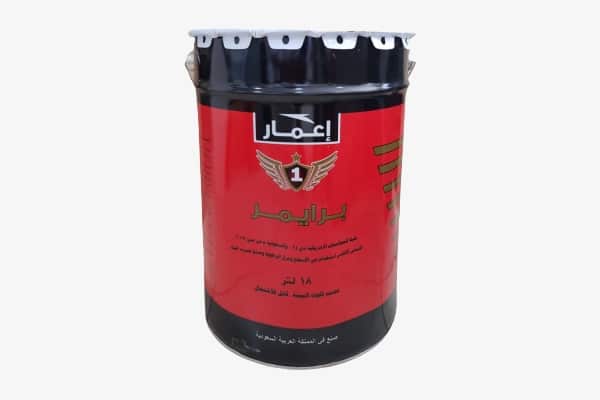
A waterproofing primer is a preparatory coating applied before the main waterproofing layer. It enhances adhesion between the surface (such as concrete or masonry) and the waterproofing membrane or coating. Primers ensure better penetration, sealing, and durability of the waterproofing system, especially in bathrooms, basements, rooftops, and wet zones.
Main Uses
Pre-treatment of concrete and cement surfaces before applying waterproofing membranes
Enhancing adhesion of bitumen, PU, or acrylic-based waterproofing products
Sealing porous or dusty substrates
Ensuring full coverage and long-term waterproofing performance
Types of Waterproofing Primers
Type
Description
Bituminous Primer
Black liquid used before applying bitumen-based membranes
Acrylic Primer
Water-based, fast-drying, and suitable for cement and masonry surfaces
Polyurethane Primer
Deep-penetrating, enhances bonding with PU membranes
Epoxy Primer
Two-component system for heavy-duty waterproofing and chemical resistance
Typical Specifications
Property
Value
Form
Liquid
Drying Time
1–4 hours
Coverage Rate
4–6 m² per liter (depending on substrate)
Color
Transparent, white, or black
Application Tools
Roller, brush, or spray
VOC Content
Low or medium (varies by type)
Compatibility
Concrete, masonry, cement board, plaster
Advantages
Improves membrane bonding and effectiveness
Reduces surface absorption
Minimizes dust and enhances membrane integrity
Fast drying and easy to apply
Compatible with a wide range of waterproofing products
Application Areas
Bathrooms and wet rooms
Roof decks
Basements
Water tanks
Foundations and retaining walls
Installation Tips
Ensure the surface is clean, dry, and free from oils or contaminants
Mix the primer thoroughly before use
Apply an even coat using a roller or brush
Allow it to dry fully before applying the next waterproofing layer
For highly absorbent surfaces, a second coat may be necessary
Overview Sika waterproofing solutions are high-performance, cement-based or polyurethane-based coatings developed to provide long-lasting protection against water penetration in various…