Smart Design and Spacious Living: A Study of the Webster Home

Webster Home: Redefining Small Spaces
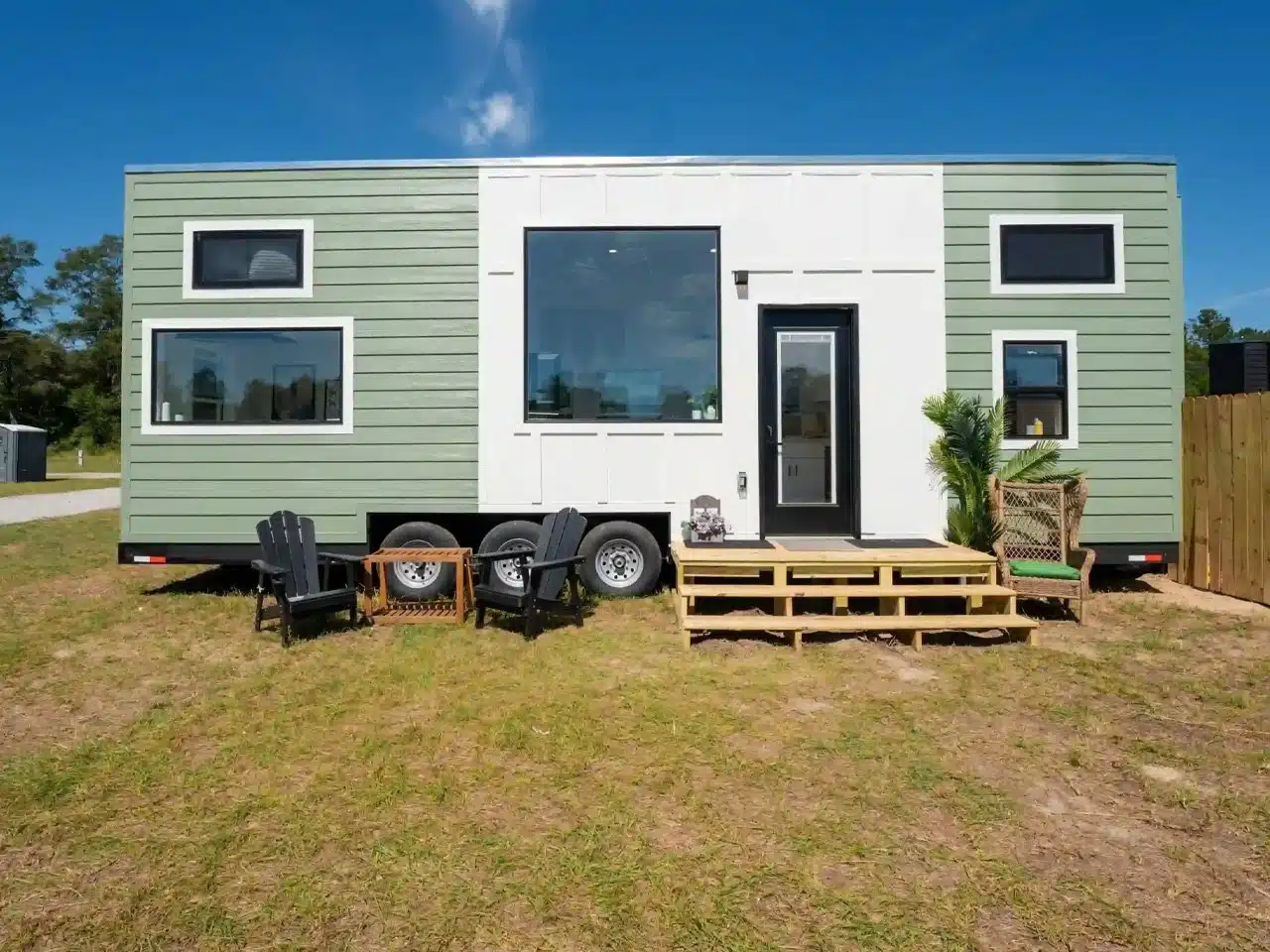
Dragon Tiny Homes has pushed the boundaries of traditional tiny houses with its latest innovation, the Webster, a spacious 32-foot tiny home that reimagines the possibilities of compact living. Unlike the company’s previous focus on ultra-small, budget-friendly models, this three-bedroom design offers a more ambitious and versatile layout.
Dimensions and Design
The home measures 32 feet in length and 8.5 feet in width, surpassing the conventional definition of a tiny house. Its thoughtful design accommodates up to six people with relative comfort, making the most of vertical space planning and impressive ceiling heights. In the main living area, the ceiling reaches 11 feet, creating an unexpected sense of openness for a tiny home.
Interior Layout and Space Utilization
The multi-level layout is one of the home’s standout features. The master bedroom on the ground floor provides easy and convenient access for adults, while the spacious lofts are designed as retreats for children or guests. This approach effectively doubles the usable living space without compromising comfort or privacy, addressing one of the biggest challenges in tiny home design: the feeling of confinement caused by limited space.


Kitchen: Transforming the Cooking Experience
The kitchen in the Webster home represents a significant upgrade compared to traditional tiny house standards. It comes equipped with full-sized appliances, including a dishwasher, transforming meal preparation from a cramped and stressful task into a more comfortable and enjoyable experience. Additionally, a variety of storage solutions, both in upper and lower cabinets, provide ample space to organize all essentials, while the spacious countertops offer a suitable workspace for serious cooking. This makes the home suitable for long-term family living, rather than merely a weekend retreat.
Bathroom and Laundry Area: Efficiently Combining Functions
The bathroom in the Webster stands out as the largest designed in the company’s homes to date, combining the shower and laundry areas. This integration eliminates the typical space compromises found in tiny houses and strikes a balance between practical functionality and comfort.
Sleeping Arrangements and Natural Light
The master bedroom on the ground floor provides convenient access and privacy for adults, while the spacious lofts offer separate sleeping areas for children or guests. Carefully positioned windows fill the home with natural light, maintaining an open and airy atmosphere and breaking the conventional constraints associated with small spaces.


Living Room: Spaciousness at the Heart of the Home
The living room in the Webster is the crown jewel of the design, with dramatically high ceilings creating a sense of space and openness, making it perfect for social and recreational activities. This impressive ceiling height expands the perception of the home’s actual space, a key element in tiny house design to achieve an open feel without increasing the exterior dimensions.
Flexibility in Use
Webster’s design flexibility extends beyond traditional family use. The spacious layouts and thoughtful finishes also make the home suitable for short-term rentals or as an alternative residence in Airbnb projects, offering a comfortable living experience without compromising privacy or quality.
Customizing Spaces
The multi-level layout allows future homeowners to add personal touches, particularly in kitchens and bathrooms, while preserving the core features that make tiny living practical and efficient. By focusing on space organization and natural light, Webster exemplifies how efficiency and comfort can be seamlessly integrated into a limited area without compromising essential standards of modern living.


✦ ArchUp Editorial Insight
The Webster home serves as a prominent example of efforts to redefine living in small spaces, showcasing attention to spaciousness, smart space planning, and full-sized kitchen and bathroom fixtures as clear positive features. On the other hand, some residents may encounter challenges related to the multi-level design, higher construction costs compared to traditional tiny homes, and limited flexibility for future expansion or adaptation to the needs of larger families. Overall, the project represents an innovative step in this field, with certain considerations that may impact the day-to-day living experience depending on individual needs.
Prepared by the ArchUp Editorial Team
Don’t miss the chance to explore more from Architecture in fields like Buildings and Design on the ArchUp website.