Why is Digital Technology Essential in Architecture?

Since the late 1950s and early 1960s, this question has occurred and has been frequently asked, why is digital technology essential in architecture? That is simply because digital technology nowadays plays a significant role in our everyday lives.
In architecture, specifically, digital technology can be an accurate mirror to the human mind. It improves the considerations, possibilities, and reflections of countless modern architectural designs.
Digital technology doesn’t only help architects create memorial landscape designs and unforgettable architectural masterpieces, but it also allows them to visualize and evaluate their design ideas to ensure durability and efficiency before they’re even built.

What is the definition of digital art in architecture?
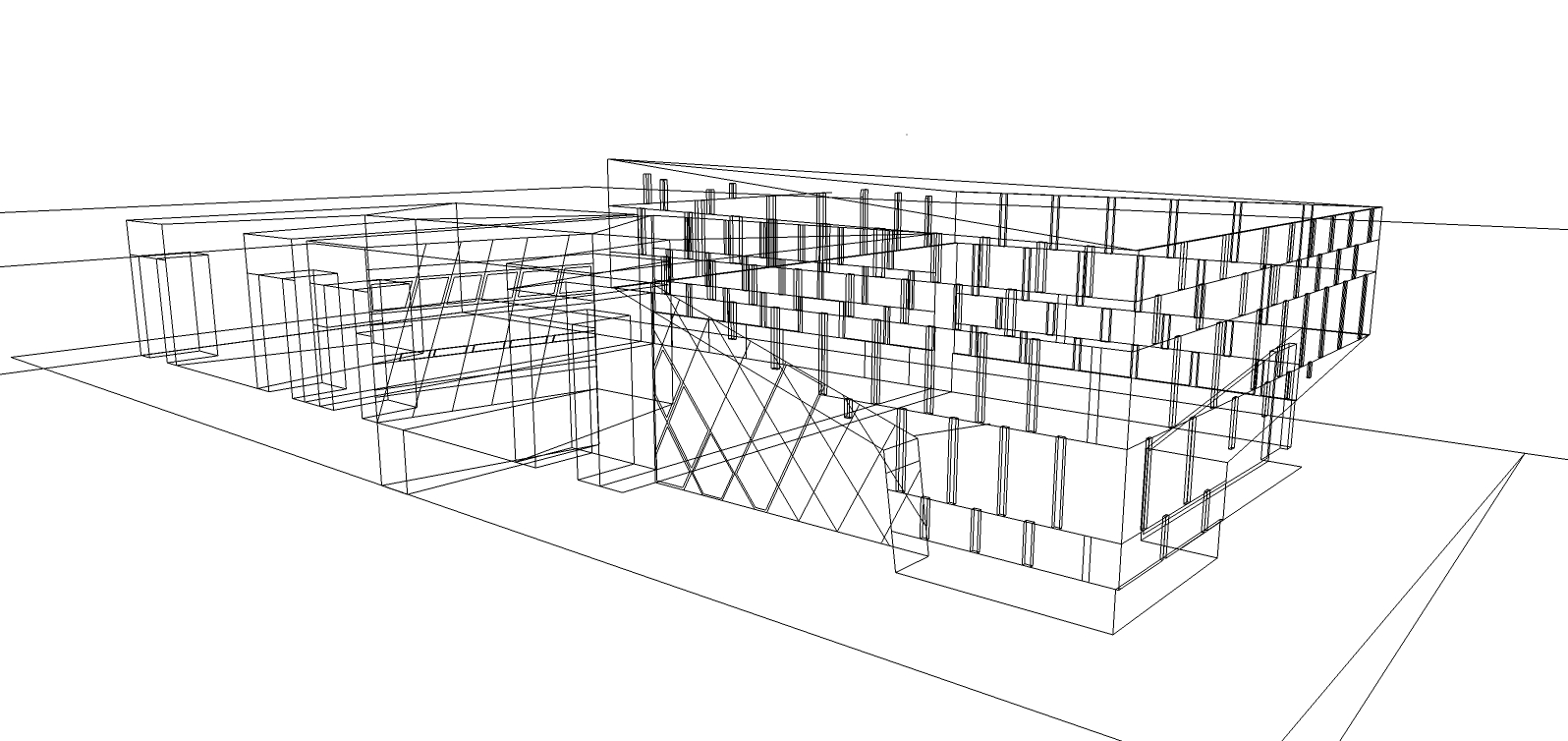
Digital art in architecture, also known as digital architecture, is an extremely wide field in the engineering industry. It does not exist in any kind of physical material such as brick, wood, glass, etc. But is made from developed technological programs and databases.
Digital architecture is an advanced tool that helps architects organize and store multiple sets of information and data into one technological form, saving them space and effort.
As a result, architects can utilize these forms to establish visual simulations to represent modern architectural designs that will be built in the future.
Furthermore, digital art in architecture is not only used to provide an easier method to create architectural designs but is also used to enable a wider space for human interaction. In other words, digital art enhances creativity and encourages innovation in architecture.
How is digital architecture different?
The use of technology is what differentiates digital architecture and traditional architecture; they both have different creation methods and architectural designs.
With digital architecture, architects can plan concepts and develop designs a lot easier as digital technology can look after moderate details.
In addition, digital architecture is known for utilizing digital art and media in every phase of the architectural design process.
As a consequence, there is a significant fundamental difference between layers of data and architectural applications.
Why is digital art important in architecture?
Digital technology in many advanced devices and tools gives architects the opportunity to think outside the box and be able to create modern architectural designs that the world has never seen before.
For instance, with the utilization of touchscreen technology, architects can create an accurate digital sketch that can be easily converted into a 3D architectural model.
Moreover, digital art in architecture enhances details, increases transparency, encourages collaboration, and allows ongoing adjustments on any project/design.
Given that, we all can agree that digital art has a huge impact on the way architects design buildings and create memorial landscape designs, from start to finish.
On top of that, there are numerous advantages to using digital technology in architecture;
the following list includes some of these benefits:
Increases productivity
Today, there are various advanced technological tools that help architects deal with ordinary design elements,
enabling them to save both time and effort to work on other architectural projects and remain productive.
Explores directions and achieves geometries, some of which are impossible with the human mind alone
Current technology can make automatic calculations and measures, easily and quickly.
Improves efficiency
Digital architecture can help produce unique eco-friendly building ideas and memorial landscape designs.
For example, it can maximize natural ventilation, solar access, and shade, leading to more efficient structural solutions.
Enhances coordination
Many digital technology tools allow architects to make diverse updates on any architectural design while working in progress, anytime and anywhere.
Creates a great path to the future
Once again, digital technology helps architects come up with modern architectural designs that will take place in the future. Therefore, it provides an insight into what the architectural future holds.
Conclusion
To sum up, digital technology is undoubtedly essential in architecture. It allows architects to produce memorial landscape designs and modern architectural designs that we’ve never seen before.
In fact, it appears that the use of digital technology keeps increasing in the world of architecture throughout the years. This, by all means, is expected with all the major developments and advanced enhancements in technology in this particular generation. As a result, digital technology has become the main element of a programming culture in architecture.
You can follow more articles on INJ Architects, also you can follow more articles on ArchUp