World Architecture Festival 2025 A Dialogue Between Humanity and the Environment

Introduction
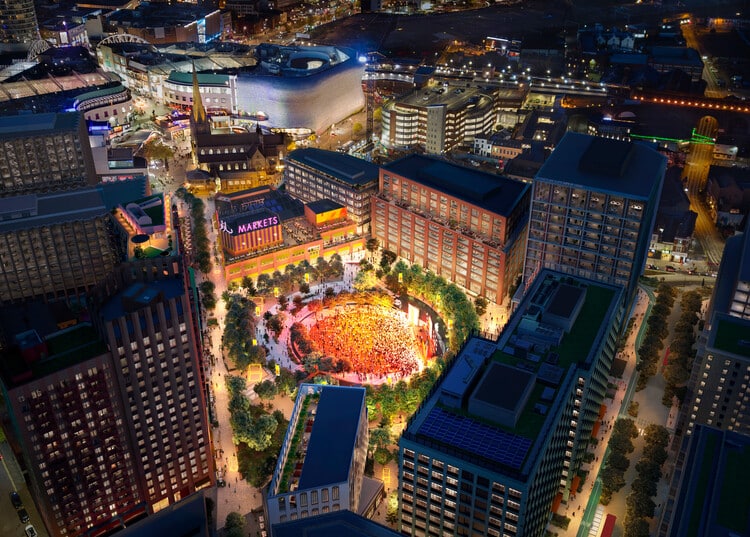
The opening day of the World Architecture Festival 2025 unveiled an inspiring collection of projects that reflect the evolution of architectural thought and design innovation. Spanning completed buildings, future projects, and interior designs, the showcased works embody how architecture continues to engage with social, cultural, and environmental dimensions. Each project presents a vision of how design can become a medium for sustainability, human interaction, and spatial harmony, shaping the future of the built environment.

Completed Buildings
Civic and Community Spaces
Projects in this category highlighted how architecture can foster community interaction and spiritual connection through design that blends public, cultural, and religious functions. The emphasis was placed on the use of local materials and the seamless transition between interior and exterior spaces to strengthen the bond between people and place.
Creative Reuse and Transformation
This section celebrated the ability of design to revive existing structures while preserving their cultural and architectural identity. Through adaptive reuse, old buildings were transformed into new, vibrant spaces that meet contemporary needs while maintaining their historical spirit.

Cultural Architecture
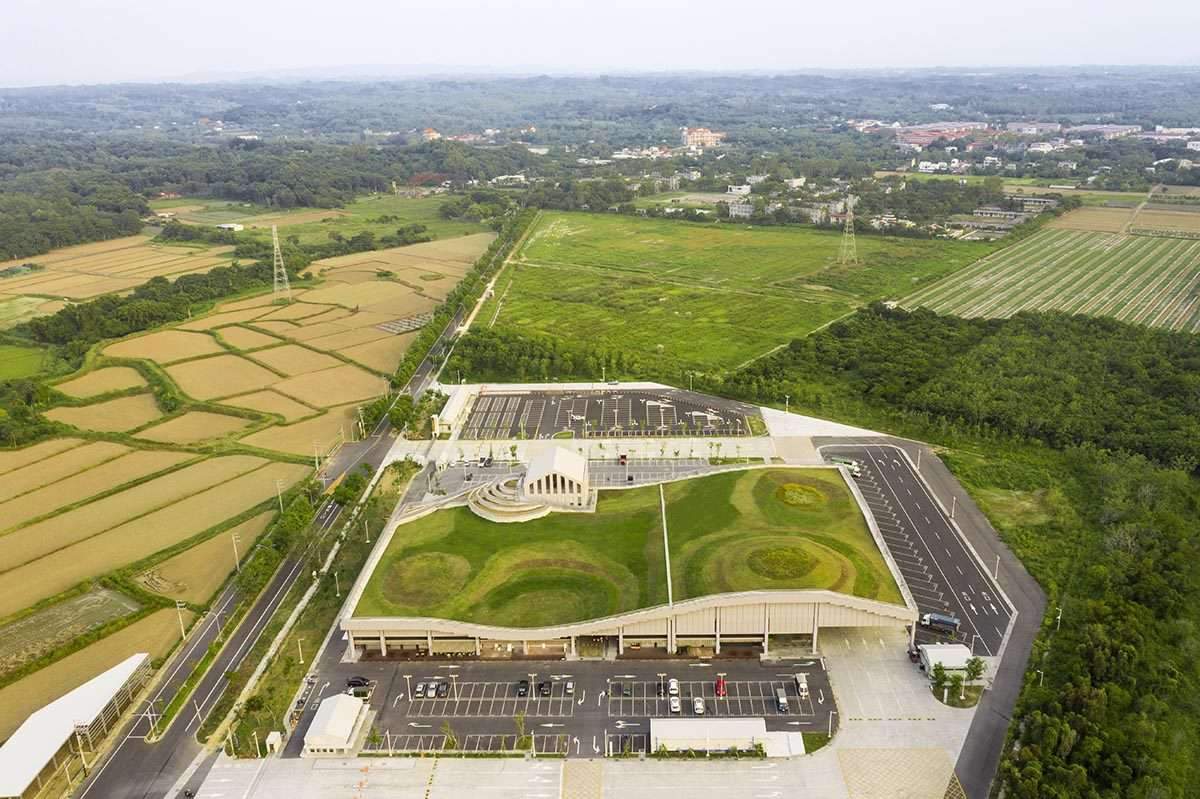
Cultural projects stood out for their deep dialogue with nature. Inspired by wetlands and native landscapes, these works achieved a delicate balance between structure and environment. Light, air, and spatial fluidity became key tools for expressing ecological awareness and architectural sensitivity.
Residential Projects
| Type | Project Name | Location | Architectural Concept | Notes |
|---|---|---|---|---|
| Rural/Coastal House | Ridge House | Coastal region | Integration of architecture with the landscape and sea views | Use of natural, sustainable materials |
| Urban House | Lantern House | Urban area | Light-oriented design enhancing openness | Smart response to dense urban settings |
| Social Housing | Isla Intersections | Residential district | Promoting community interaction through shared spaces | Balance between privacy and connection |

Work and Production Spaces
| Category | Project Name | Architectural Approach | Key Features |
|---|---|---|---|
| Office | T3 Diagonal Mar | Flexible, communicative workspace design | Daylit façades with natural ventilation |
| Production Facility | Adorigo Winery | Architecture embedded in the natural landscape | Renewable energy and local materials |
Future Projects
Civic and Infrastructure Projects
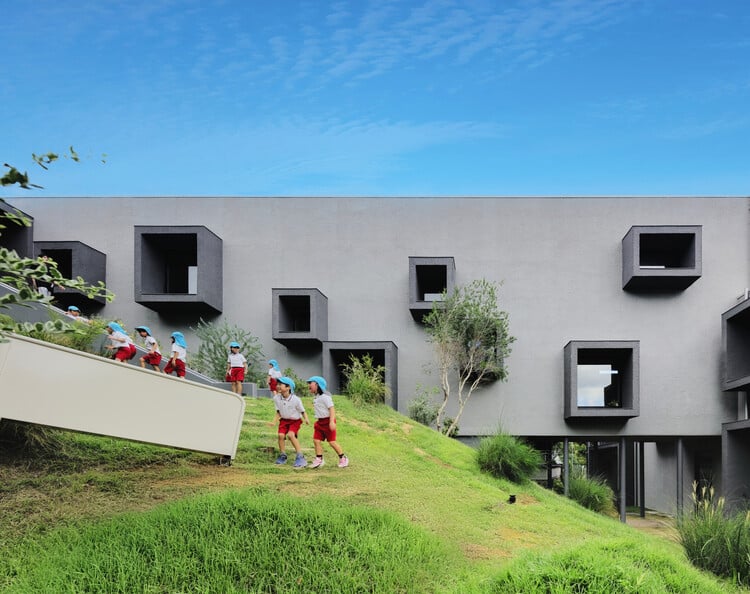
The future-focused designs emphasized integration of civic functions with sustainability principles. Flexible spatial layouts, bioclimatic design strategies, and passive environmental systems defined a new generation of public architecture that responds to both human and ecological needs.
Leisure and Urban Planning
These proposals explored the idea of cities as living organisms. Parks, waterfronts, and cultural hubs were designed to reconnect people with the urban environment through green corridors, shared public spaces, and contextual sensitivity to local identity.
Interior Architecture
| Category | Project Name | Design Concept | Highlights |
|---|---|---|---|
| Hospitality | Rainforest Resort | Immersive living experience within nature | Use of bamboo, wood, and natural ventilation |
| Workplace (Small) | SILO Studio | Optimized use of compact spaces | Adaptable and reconfigurable layout |
| Workplace (Large) | Creative Campus | Human-centered flexible office environment | Biophilic design promoting comfort and collaboration |

Architectural Reflections and Design Trends
- Sustainability: Most projects utilized solar energy, local materials, and efficient resource reuse, promoting responsible environmental practices.
- Human Interaction: Spatial design encouraged collective engagement and community building through open, inclusive layouts.
- Experimental Forms: Fluid geometries and expressive structures demonstrated the evolving aesthetics of contemporary architecture.
- Adaptability: Designs were developed with resilience in mind—able to evolve with changing climate, context, and human needs.
Material and Technology Overview
| Project | Primary Materials | Construction Techniques | Sustainability Features |
|---|---|---|---|
| Ridge House | Wood, stone, glass | Prefabricated assembly | Natural lighting and cross-ventilation |
| Wetland Museum | Concrete, steel, glass | Curved, nature-inspired structures | Ecological water management |
| T3 Diagonal Mar | Steel, glass | High-efficiency façade systems | Smart ventilation and energy optimization |
| Rainforest Resort | Bamboo, timber, natural fibers | Organic structural design | Reduced energy use and environmental harmony |
Conclusion
Day One of the World Architecture Festival 2025 showcased how the World Architecture Festival transcends construction to become a form of dialogue between humans and their environment. Through its diverse projects, the World Architecture Festival highlighted architectural philosophies that merge creativity with responsibility where beauty, function, and sustainability coexist. These works, presented at the World Architecture Festival, illustrate how contemporary architecture is evolving into a living language that connects people, culture, and nature.
ArchUp continuously documents leading architecture exhibitions and conferences, offering verified coverage of international competitions and official results within an open-access database.

Comprehensive Summary Table
| Category | Project | Location | Architectural Vision | Materials | Sustainability Elements | Remarks |
|---|---|---|---|---|---|---|
| Civic & Community | Holy Redeemer Center | Urban | Inclusive spiritual and social architecture | Concrete, stone | Natural ventilation | Strengthening social cohesion |
| Creative Reuse | Younghusband Redevelopment | Urban | Reviving historic identity through modern use | Timber, glass | Heritage preservation | New adaptive purpose |
| Cultural | Wetland Museum | Natural landscape | Nature-inspired organic forms | Concrete, steel | Water reuse systems | Environmental awareness |
| Rural Housing | Ridge House | Coastal | Landscape-integrated architecture | Wood, glass | Passive ventilation | Harmony with surroundings |
| Urban Housing | Lantern House | Urban | Daylit open spatial design | Concrete, glass | Energy-efficient envelope | Compact urban innovation |
| Social Housing | Isla Intersections | Community | Encouraging interaction through shared courtyards | Concrete, steel | Public space integration | Supportive living environment |
| Office | T3 Diagonal Mar | City | Flexible and bright working spaces | Steel, glass | Energy management systems | Comfortable work setting |
| Production | Adorigo Winery | Countryside | Architectural continuity with nature | Stone, steel | Solar energy systems | Environmental coherence |
| Hospitality | Rainforest Resort | Natural site | Immersive ecological living | Bamboo, wood | Natural ventilation | Environmentally integrated design |
✦ ArchUp Editorial Insight
This project offers an architectural experience that transcends form to evoke emotion, where masses and voids engage in a visual dialogue reflecting awareness of human scale and the surrounding environment. The design language embraces fluidity and gradual transitions, allowing users to move seamlessly through space without losing spatial balance. Critically, the project stands out for balancing expressive form with practical function, using natural light as a tangible medium connecting interior and exterior realms. However, some material details could be refined for greater sensory coherence. Overall, the project delivers strong architectural value, uniting beauty, functionality, and sustainability in harmony.