Zero Aggregate (Bahs Zero)

Overview
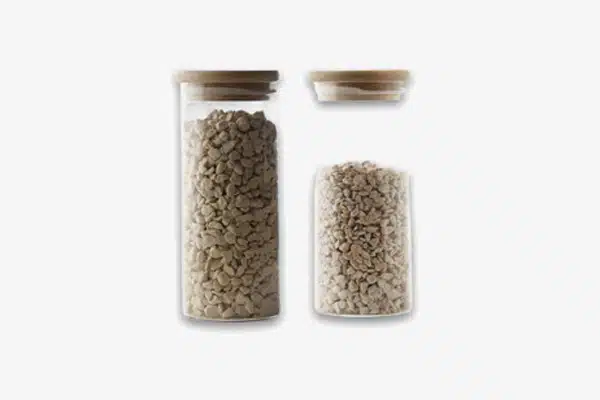
Zero aggregate, commonly referred to as “Bahs Zero,” is a fine crushed stone material widely used in construction. It is produced by crushing larger stones into small, uniform particles, making it suitable for various applications, including concrete mixes, paving, and road foundations. Its compact nature and high durability make it an essential component in many structural and decorative uses.
Why You Should Use It?
- High Compactness: Provides a solid base for roads and pavements.
- Improves Concrete Strength: Enhances the structural integrity of concrete mixtures.
- Versatile Usage: Suitable for construction, landscaping, and drainage solutions.
- Excellent Binding Properties: Works well in binding cement and asphalt mixes.
- Eco-Friendly Material: Sourced from natural stone, making it sustainable.
Key Features
| Property | Description |
|---|---|
| Particle Size | 0 – 5 mm |
| Color | Grey to black |
| Material Composition | Crushed stone, limestone, and granite |
| Texture | Fine and granular |
| Moisture Content | Low to moderate, depends on environmental conditions |
Uses
- Concrete Production: Acts as a filler material in concrete mixes to improve strength.
- Paving and Flooring: Used as a base layer for interlock, tiles, and road pavement.
- Road Construction: Essential for creating compact road subbases.
- Landscaping: Applied in garden pathways and decorative stone work.
- Drainage Solutions: Helps improve water flow and prevent erosion.
Density & Composition
| Factor | Value |
|---|---|
| Bulk Density | 1400–1600 kg/m³ |
| Water Absorption | 1%–4% (varies based on material type) |
| Crushing Strength | High durability and compaction resistance |
Case Studies
- Urban Road Construction: Used as a compact foundation for city roads and highways.
- Residential Landscaping: Applied as a decorative element in modern gardens.
- Concrete Manufacturing: Improves the quality and longevity of ready-mix concrete.
Application Recommendations
- Proper Layering: Spread evenly to achieve the best compaction.
- Mixing with Cement: Combine with other aggregates for improved concrete performance.
- Drainage Considerations: Use in drainage systems to enhance water filtration.