

Homes in Harmony with Nature: Architectural Creations Blending Wellness and Sustainability

In today’s fast-paced world, the healing power of nature is more vital than ever. Studies consistently show that time spent in natural environments reduces stress, enhances mental clarity, and restores emotional balance. For architects, this connection between wellness and design isn’t just theoretical it’s a foundational principle. Homes that harmonize with their natural surroundings don’t merely provide shelter; they curate lifestyles of well-being, blending aesthetics with ecological mindfulness.
The following projects winners, finalists, and special mentions from the 13th Annual A+ Awards exemplify how residential architecture can seamlessly integrate with nature. Each design reflects a philosophy of living within the landscape, not just beside it. These homes appear to emerge organically from the earth, shaped by sunlight, terrain, and the quiet rhythms of their environments.
1. Summer Patio
Firm: A4 Office | Location: Zapovedniy Bor, Russia
Award: Popular Choice Winner, Private House (XS <1000 sq ft)
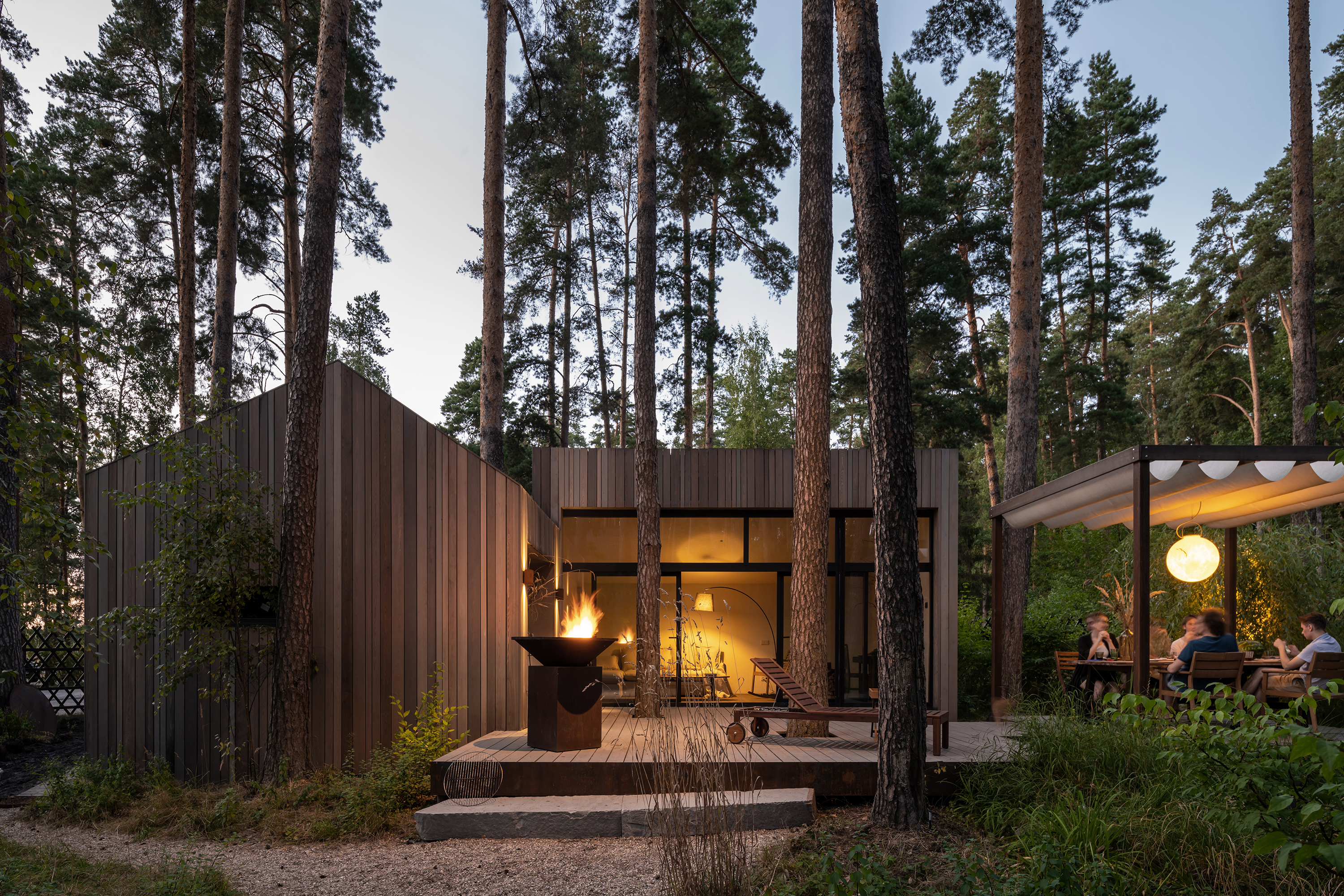
Nestled in a pine-forested village, Summer Patio is a modest yet poetic structure built entirely of wood in 2022. Its design draws inspiration from the towering pines surrounding it, serving as a multi-functional space for gatherings or solitary reflection. The open layout and organic footprint allow nature to take center stage, proving that architecture can be both a background and a collaborator in the natural world.
Key Features:
- Sustainable timber construction.
- Blurred boundaries between indoor and outdoor spaces.
- Low-impact design preserving the site’s ecological integrity.
2. UZV House
Firm: Open Architecture Design | Location: Užava, Latvia
Award: Jury Winner, Private House (M 2000–4000 sq ft)
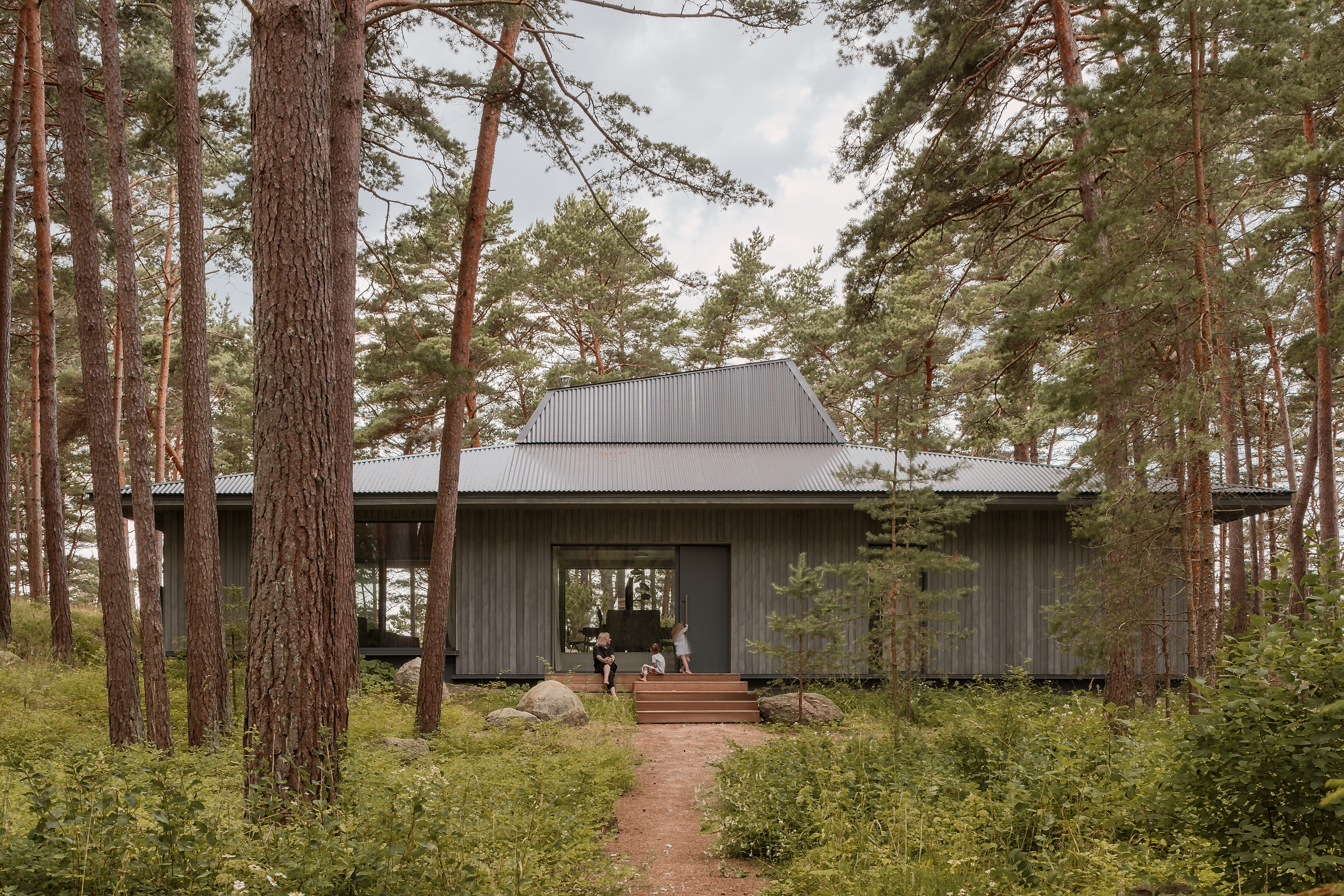
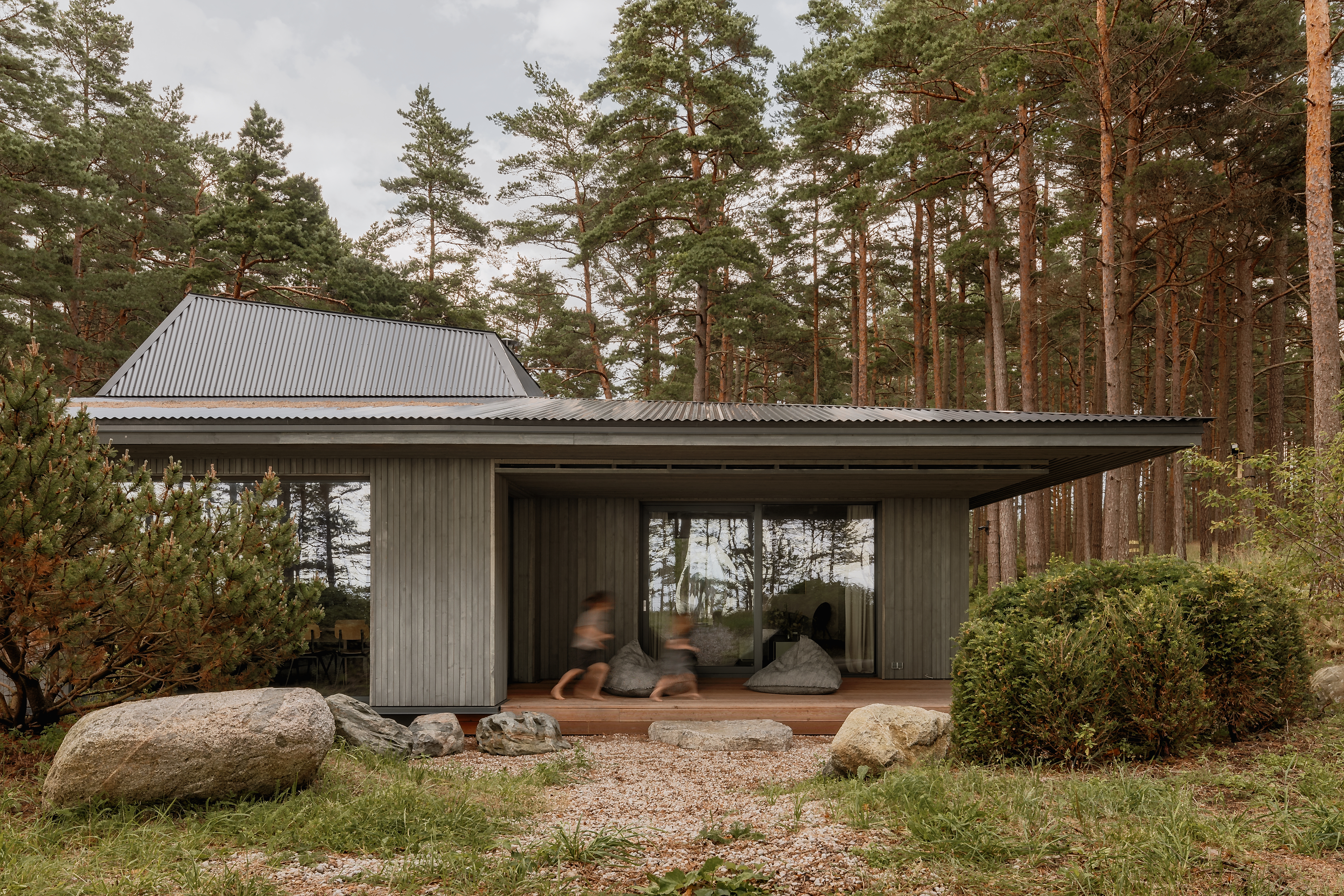
Built on the remnants of a Soviet military base, UZV House is a masterclass in adaptive reuse and contextual sensitivity. Situated in a protected dune area where new construction is banned, the home merges traditional Latvian forms with modern Japanese-inspired details. Gray timber cladding, angular roofs, and strategic fenestration create a dynamic interplay of light and shadow.
Why It Stands Out:
- Reinterprets historical foundations with contemporary materials.
- Large windows balance openness with privacy.
- Respects strict environmental regulations while delivering innovative design.
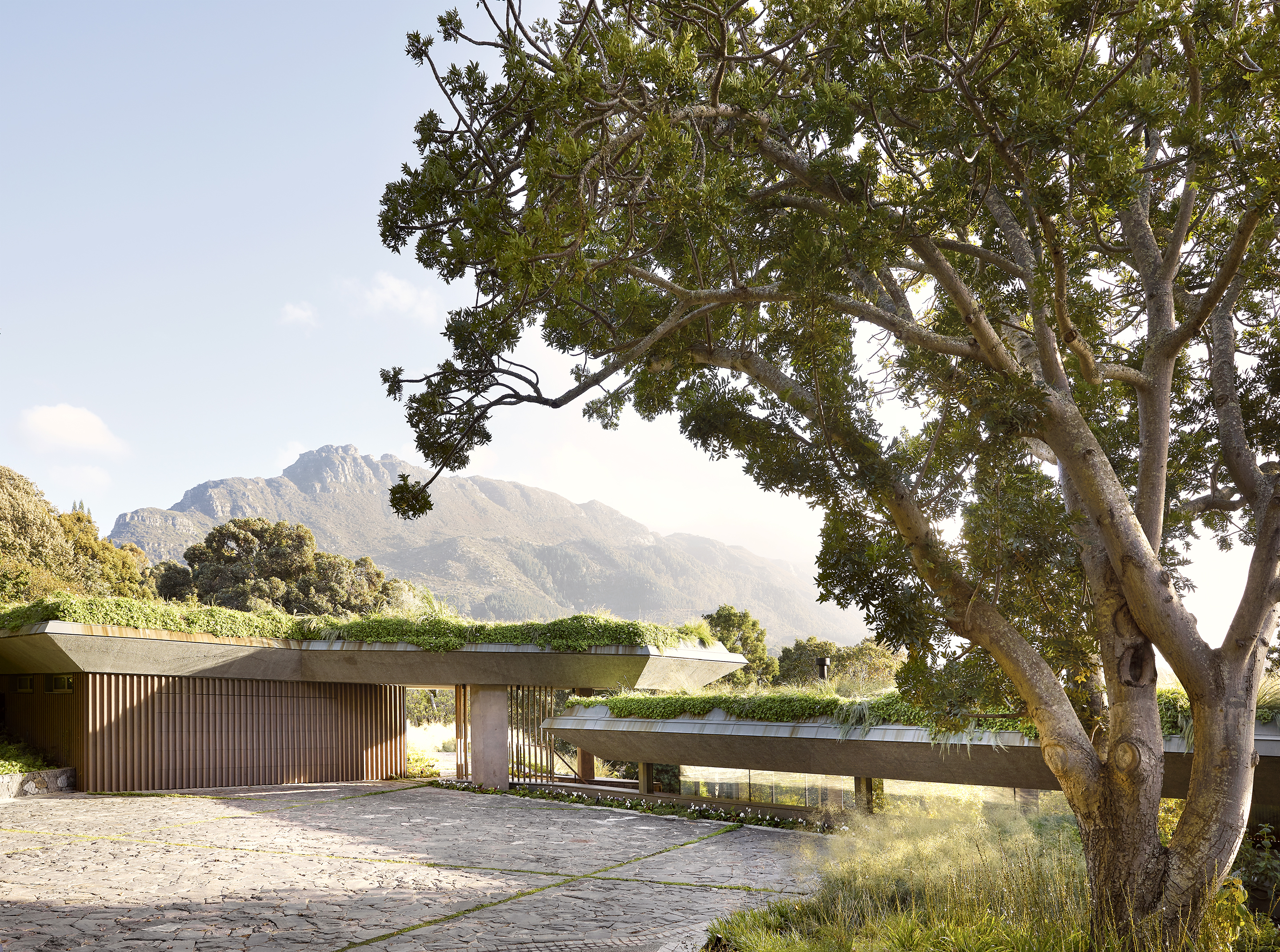
3. Planting Pavilion
Firm: Malan Vorster Architecture Design | Location: Constantia, South Africa
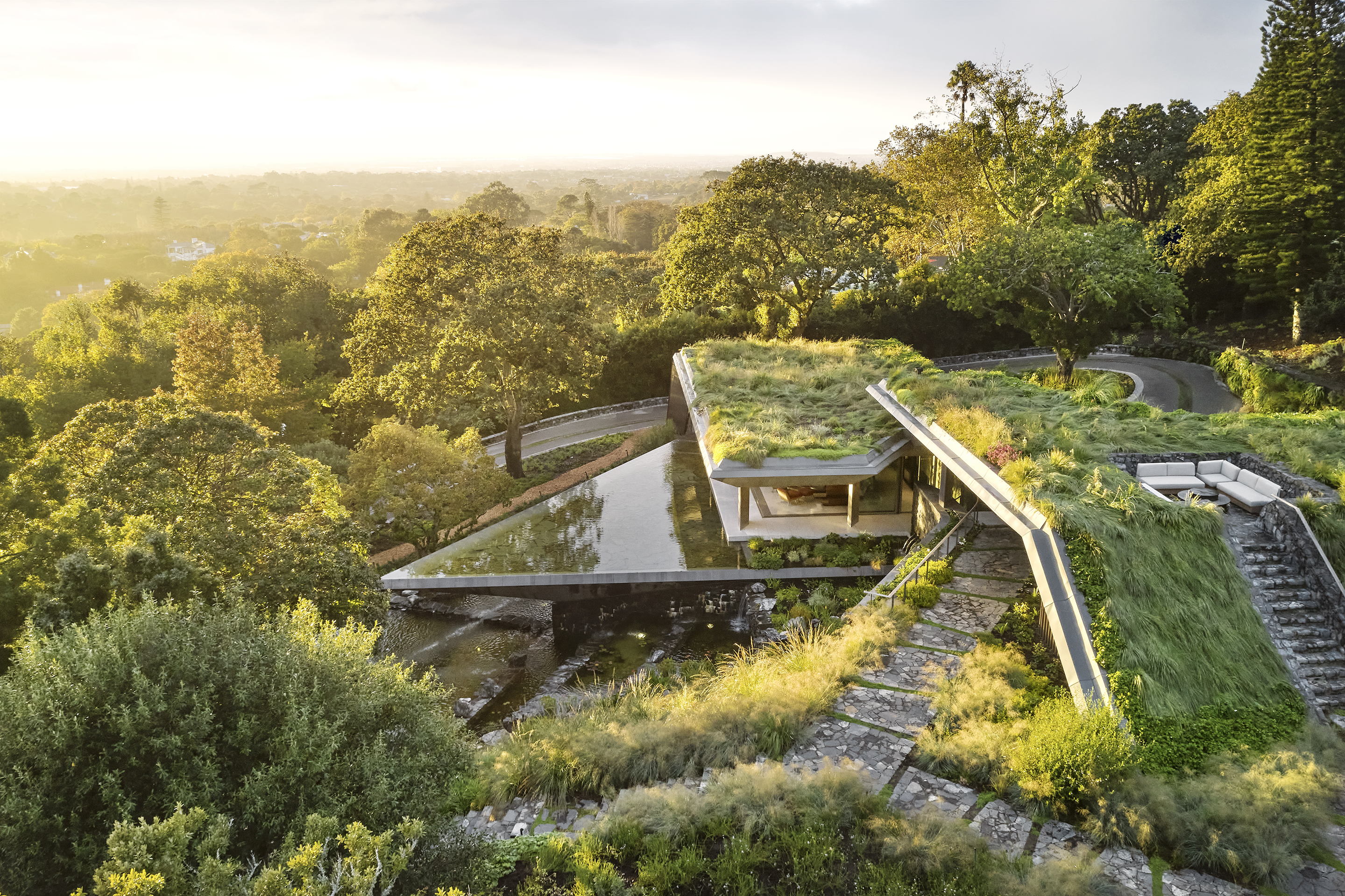
Part of a long-term architectural evolution on a historic estate, the Planting Pavilion (2024) continues the narrative of site-sensitive design. Following the restoration of the main house, this addition embraces the lush garden landscape with natural materials and open forms. It functions as a cultural and social hub, seamlessly merging with the estate’s heritage.
Design Highlights:
- Integration of native vegetation into the structure.
- Minimalist yet warm aesthetic.
- Celebrates the estate’s legacy while offering modern functionality.
✦ ArchUp Editorial Insight
These projects demonstrate how residential architecture can transcend mere functionality to become a dialogue with nature, fostering well-being through design. While the emphasis on organic integration is commendable, some designs risk romanticizing rural contexts without addressing urban applicability where most people live. However, the shared focus on sustainability, adaptive reuse, and sensory engagement (light, texture, airflow) sets a benchmark for future projects. Ultimately, these homes remind us that the best architecture doesn’t dominate the landscape; it listens to it.
Explore the Latest Architecture Exhibitions & Conferences
ArchUp offers daily updates on top global architectural exhibitions, design conferences, and professional art and design forums.
Follow key architecture competitions, check official results, and stay informed through the latest architectural newsworldwide.
ArchUp is your encyclopedic hub for discovering events and design-driven


