2026 Modern Conversation Conference on Time

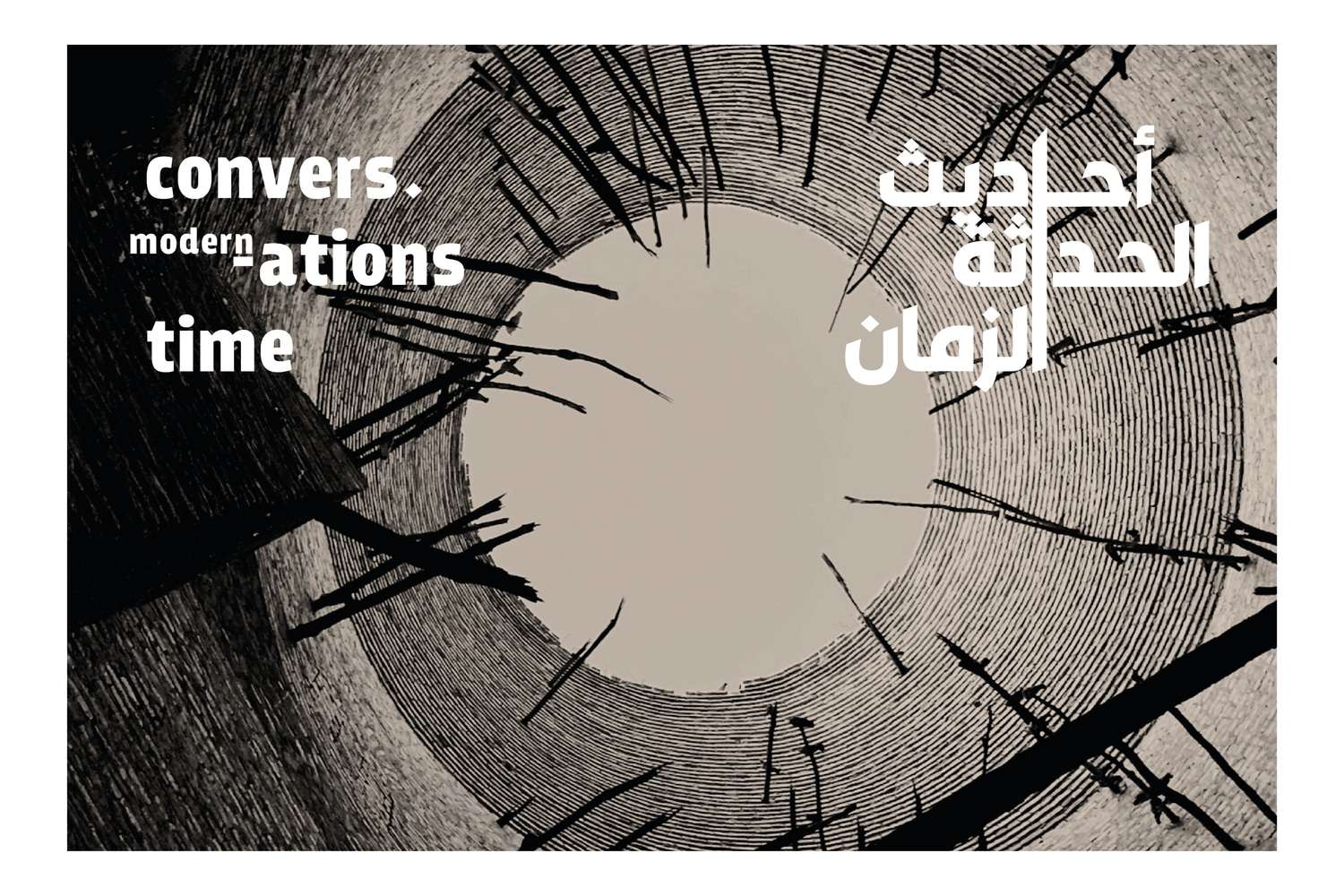
The 2026 Modern Conversation Conference on Time is an international academic event organized by the Modern Sudan Collective. It focuses on exploring the relationship between time and architecture in contemporary contexts. The conference seeks to understand how architectural forms and urban spaces shape our perception of time and how different temporalities influence design decisions. Participants are invited to consider how time operates in a variety of built environments, from industrial and institutional buildings to religious and cultural spaces.
Time in architecture is not just about clocks or schedules. It encompasses rhythms, cycles, sequences, and transformations that shape how people experience a space. The conference encourages critical thinking about the interplay between temporal structures and architectural forms. It also invites reflections on cultural, technological, and social dimensions of time, showing how architecture can mediate and express different notions of temporality.
The conference provides an opportunity for architects, scholars, and researchers to share insights, experiment with new concepts, and push the boundaries of architectural discourse. It highlights the importance of understanding time as a design element that can shape both form and function. The event also emphasizes the global and cross-cultural relevance of temporal studies in architecture, inviting diverse perspectives that challenge conventional approaches. By focusing on time, the conference aims to foster innovative thinking, create dialogue between disciplines, and inspire new strategies for architectural design and research.
Conference Themes and Requirements
Themes
The conference covers a wide range of topics related to time in architecture. Participants are encouraged to explore both conceptual and practical aspects, including but not limited to:
- Understanding temporal structures in architectural design
- Seasonal and cyclical transformations in buildings and urban spaces
- Clock towers and other temporal markers
- Religious and cultural buildings as expressions of time
- Industrial and institutional buildings and their schedules
- Spaces for performance, dance, and temporal interaction
- Time in spoken word and narrative
- Calendrical systems and cultural temporal frameworks
- Disruptions or challenges to linear time in architecture
- Innovative approaches that reinterpret time in design
Submission Guidelines
- Deadline for abstracts is October 31, 2025
- Conference date is January 24, 2026
- Submissions must include a brief biography of the author or team, an abstract outlining the proposed topic, and contact information
- Only abstracts are required at this stage, with selected participants potentially invited to present full papers or designs
Timeline
| Phase | Date |
|---|---|
| Call for Abstracts | Until October 31, 2025 |
| Conference | January 24, 2026 |
Fees and Awards
The public information does not specify participation fees or awards.
Architectural Analysis
Time in architecture can be explored at multiple scales, from individual building components to entire urban environments. The conference encourages participants to consider how rhythm, repetition, and transformation influence spatial perception. For example, natural light and shadow patterns, seasonal vegetation, and human circulation all create temporal layers in architecture that inform design decisions.
Architects are also prompted to examine temporal symbolism in building forms. Clock towers, ceremonial halls, and religious structures often encode time in ways that reflect cultural values and social norms. Similarly, industrial and institutional buildings regulate human activity, embedding schedules and routines into the architectural experience.
Material choices can amplify temporal experience. Transparent or reflective surfaces allow light to mark time through the day, while durable materials can express permanence and continuity. In performance spaces, adaptable layouts and movable partitions can create temporal flexibility. The analysis of time also extends to urban planning, where streets, plazas, and open spaces can facilitate sequences of human activity and interaction over time.
Critically, the conference encourages participants to question conventional understandings of linear time. Concepts such as cyclical, compressed, or fragmented time challenge designers to rethink architecture’s relationship with human experience. By integrating temporal awareness into design, architects can create more meaningful and dynamic spaces.
Competition Importance
The conference serves as a platform for architects, urbanists, and scholars to critically engage with time as a design factor. It teaches participants to analyze how temporal structures inform human behavior and spatial experience. By focusing on temporality, architects gain insight into the rhythm, flow, and sequencing of spaces, enhancing their design thinking and typological knowledge.
Understanding time in architecture also contributes to innovation. Designers can experiment with light, shadow, movement, and materiality to create spaces that respond dynamically to changing conditions. This kind of inquiry fosters interdisciplinary thinking and encourages architects to consider both social and cultural dimensions in design.
The relevance of studying time is growing as cities and buildings increasingly operate on complex schedules and temporal pressures. The conference promotes forward-looking strategies that help architects design responsive, adaptable, and meaningful environments. It also underscores the importance of historical, cultural, and environmental contexts in shaping temporal experiences, ensuring architecture resonates with both users and place.
✦ ArchUp Competition Review
The 2026 Modern Conversation Conference on Time, organized by Modern Collective Sudan, invites professionals and academics worldwide to investigate the interplay between time, modernity, and architecture, focusing on structures like clock towers and religious buildings. The call for abstracts was announced on October 6, 2025, with submissions due by October 31, 2025, and participation is free. The conference maintains an academic and reflective tone aimed at stimulating discourse on temporal aspects of design. The organizer is relatively new, raising questions about experience, and the short submission window, unclear jury composition, and absence of detailed evaluation criteria limit transparency. Nonetheless, the conference provides an engaging platform for exploring architecture and time.
Conclusion
The 2026 Modern Conversation Conference on Time provides a unique opportunity to explore how architecture interacts with temporal dimensions. By emphasizing cycles, rhythms, and sequences, the conference encourages innovative thinking that bridges theory and practice. It challenges participants to consider time not as a background element but as a design factor that shapes perception, behavior, and experience.
The event highlights the value of interdisciplinary dialogue, bringing together architects, scholars, and researchers to investigate the relationship between time and the built environment. While details about awards and fees are not publicly available, the conference’s intellectual and professional significance is clear. By engaging with time in architecture, participants can develop strategies that are both contextually sensitive and forward-looking, ultimately contributing to more dynamic, adaptive, and meaningful designs for the contemporary world.
Explore the Latest Architecture Exhibitions & Conferences
ArchUp offers daily updates on top global architectural exhibitions, design conferences, and professional art and design forums.
Follow key architecture competitions, check official results, and stay informed through the latest architectural news worldwide.
ArchUp is your encyclopedic hub for discovering events and design-driven opportunities across the globe.
Registration Deadline
Brought to you by the ArchUp Editorial Team
Inspiration starts here. Dive deeper into Architecture, Interior Design, Research, Cities, Design, and cutting-edge Projects on ArchUp.