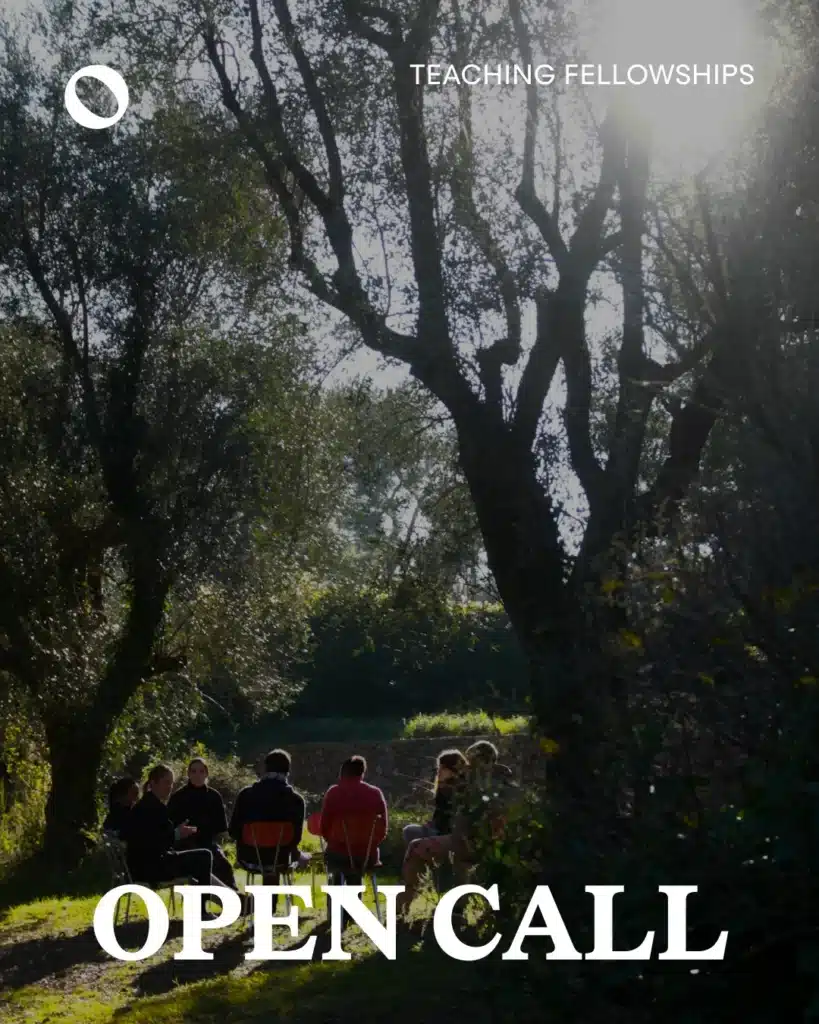
2026 OBEL Teaching Fellowships

Competition Brief
The OBEL Foundation has opened applications for the fourth edition of the OBEL Teaching Fellowships, which provide grants that reach maximum amounts of €75,000. The programme invites fellows from worldwide regions to apply together with their accredited host institution. The selected courses are expected to begin in 2027 (or shortly thereafter) and will focus on the 2026 OBEL Award theme: Systems’ Hack.
Intent
The OBEL Teaching Fellowships aim to support deeper research efforts which will develop and share systems thinking knowledge about the built environment. The programme encourages participants to examine how architecture can critically engage with the complex systems which create contemporary society through its infrastructure and energy systems and food production and water distribution and educational systems and information networks. This current design competition research investigates the relationship between architectural education and practice together with institutional patterns which create systemic obstacles in design practice.
Purpose
The fellowship program exists to create connections between professional practice and academic research. The program aims to improve architectural learning and discussion through funding initiatives that develop accredited academic program courses. Academic institutions expect fellows to bring new insights which will help them resolve social and environmental issues through architectural design solutions.
Requirements
The prospective fellow needs to submit their application together with the host institution as a joint submission. The application process does not require any monetary payment. Proposals should outline a course or academic initiative that critically engages with the Systems’ Hack theme. The applicants must show how their proposed program will advance architectural education and architectural discourse through their particular focus on systemic thinking methods used in the built environment. The fellowship program evaluates academic innovation through two main assessment standards which measure concept clarity and ability to produce beneficial outcomes.
Jury
The OBEL Foundation evaluates applications through its internal review process. The Foundation has not disclosed its complete jury members for this round but its leadership and advisors usually consist of academics and practitioners who work in architectural research and education.
Fees
| Category | Price |
|---|---|
| Application Fee | Free |
Rewards
| Award | Details |
|---|---|
| Teaching Fellowship Grant | Up to €75,000 to support course development and academic engagement |
Dates
| Milestone | Date |
|---|---|
| Submission Deadline | 25 February 2026 |
| Joint Application Deadline | 01 August 2026 |
✦ ArchUp Competition Review
The 2026 OBEL Teaching Fellowships, organised by the OBEL Foundation, offer grants up to €75,000 for developing academic courses focused on systems thinking within the built environment. The Foundation conducts internal evaluations which provide limited information about the jury process because of its moderate transparency. The program delivers both professional and academic training because it prioritizes critical examination instead of marketing activities. The funding amount exceeds the needs for course development, yet it provides educational and theoretical advantages which help students build their academic portfolios and professional reputation. The fellowship supports in-depth systemic research, but the application of built environment concepts happens through indirect methods.
Conclusion and Critical Analysis
The 2026 OBEL Teaching Fellowships require applicants to examine how architectural design impacts social and environmental systems. The educational system needs to implement systems-based teaching methods because systems now determine modern life according to current educational and professional trends. ArchUp articles have examined social and environmental systems to show how architecture interacts with built environments.
The program provides essential funding and academic resources, but it depends on course proposals, which will benefit students already connected to academic institutions that have resources for creating course materials. The system will provide barriers for entry to early-career professionals who work independently but possess strong theoretical knowledge and lack access to formal educational settings. The critics contend that the fellowship improves academic discussions, yet it fails to show how systemic knowledge leads to practical results and professional applications.
The fellowship enables participants to create new architectural principles that connect educational research with practical application. The educational model supports experimental work and critical analysis, which parallels the ArchUp exploration of interior and design systems through its thematic research approach.
Academic fellowships like this can push the boundaries of architectural knowledge, but their ultimate influence depends on how ideas are activated beyond educational contexts into real‑world impact.
Explore the Latest Architecture Exhibitions & Conferences
ArchUp offers daily updates on top global architectural exhibitions, design conferences, and professional art and design forums.
Follow key architecture competitions, check official results, and stay informed through the latest architectural news worldwide.
ArchUp is your encyclopedic hub for discovering events and design-driven opportunities across the globe.
Registration Deadline
Brought to you by the ArchUp Editorial Team
Inspiration starts here. Dive deeper into Architecture, Interior Design, Research, Cities, Design, and cutting-edge Projects on ArchUp