A Shoreline Home: Where Coastal Beauty Meets Storm-Resilient Durability

Architecture firm SPECHT Novak designed a contemporary family home on the Long Island shore in New Jersey, replacing a previous family house destroyed in a hurricane. This home stands out not only for its beauty but for its modern design that masterfully integrates storm-resilience as a top priority, creating a practical and safe sanctuary that matches its coastal elegance.
The primary challenge for the architects was complying with the stringent updated regulations from FEMA (the Federal Emergency Management Agency), which necessitated a structure built to withstand both powerful winds and flooding from storms. To this end, the home incorporates boat-building techniques, including a full fiberglass roof, exterior components of stainless steel, and hurricane-rated glass for all windows.
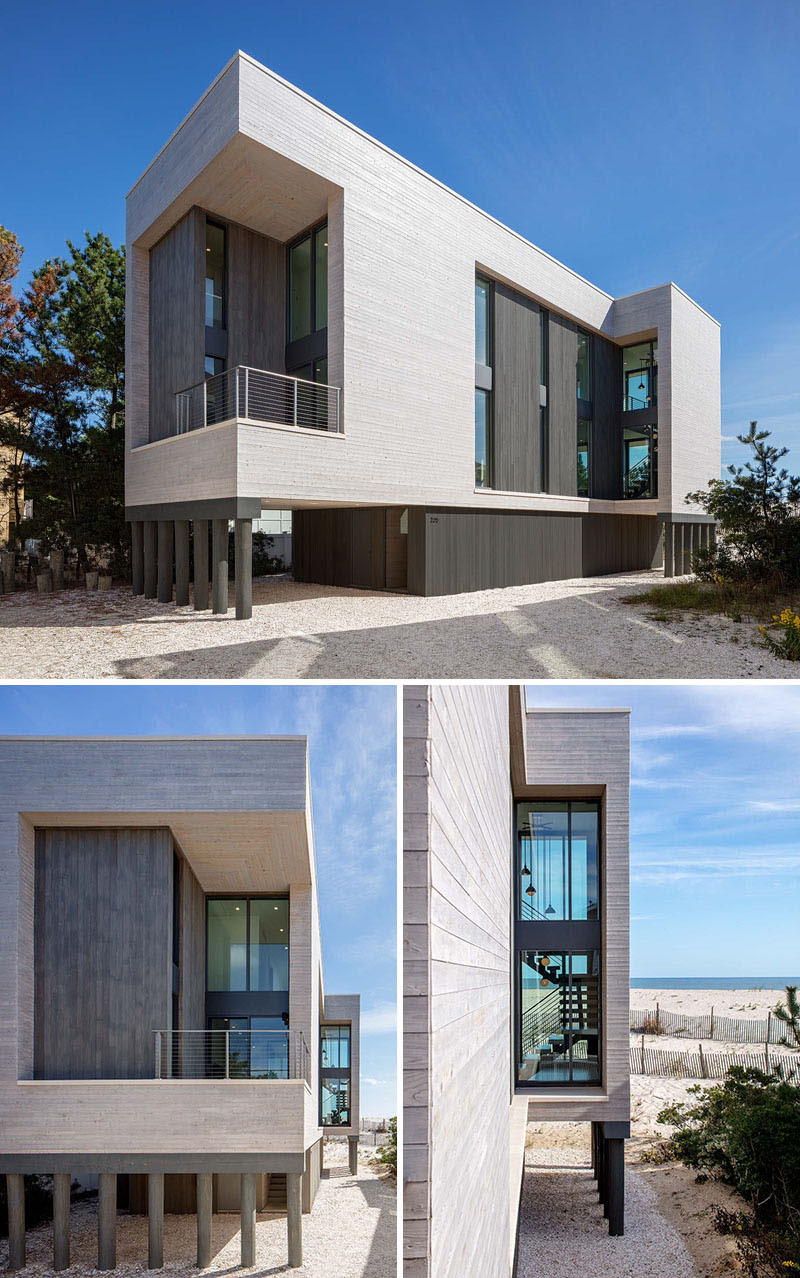
Securely seated on pressure-treated pine pilings driven deep into the sand, the 2,500-square-foot home ensures stability against powerful wind loads. Even aesthetic materials like cedar siding were chosen not just for their natural look but for their durability and ability to withstand the harsh coastal environment, reinforcing the theme of storm-resilience in every detail.
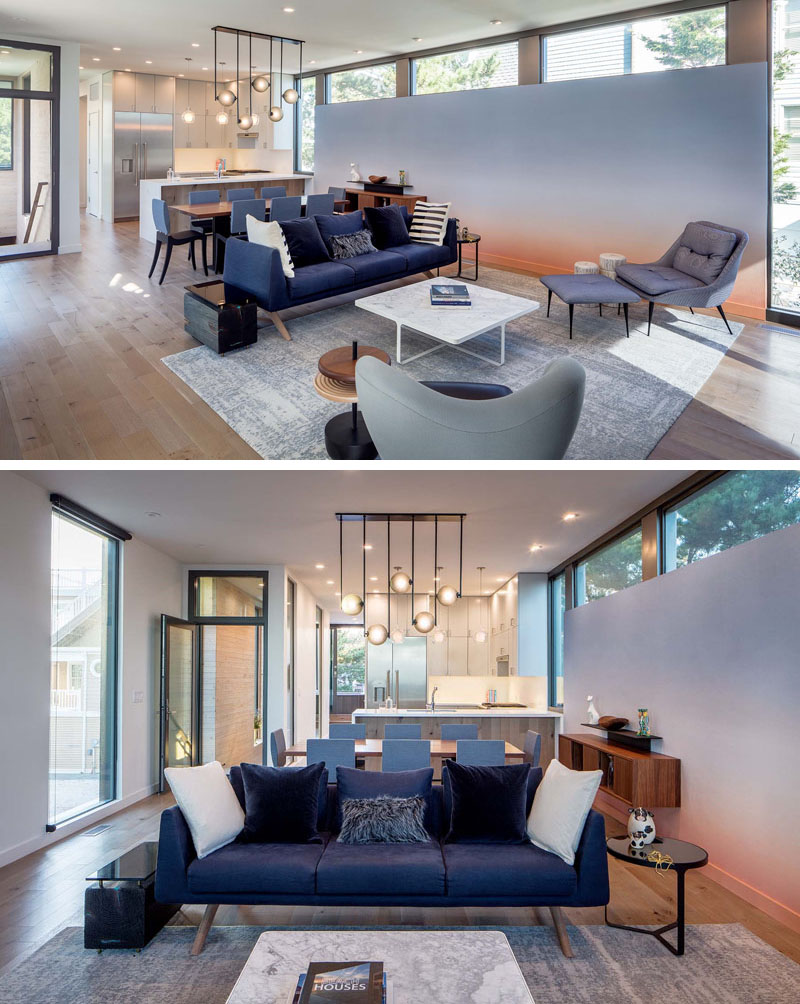
Inside, the spaces are efficiently planned to comfortably accommodate a family of five. The main living, dining, and kitchen areas share a single open space flooded with natural light from the large, impact-resistant windows that frame ocean views. The bedrooms are designed with individuality, including an ocean-facing primary suite with a private deck.
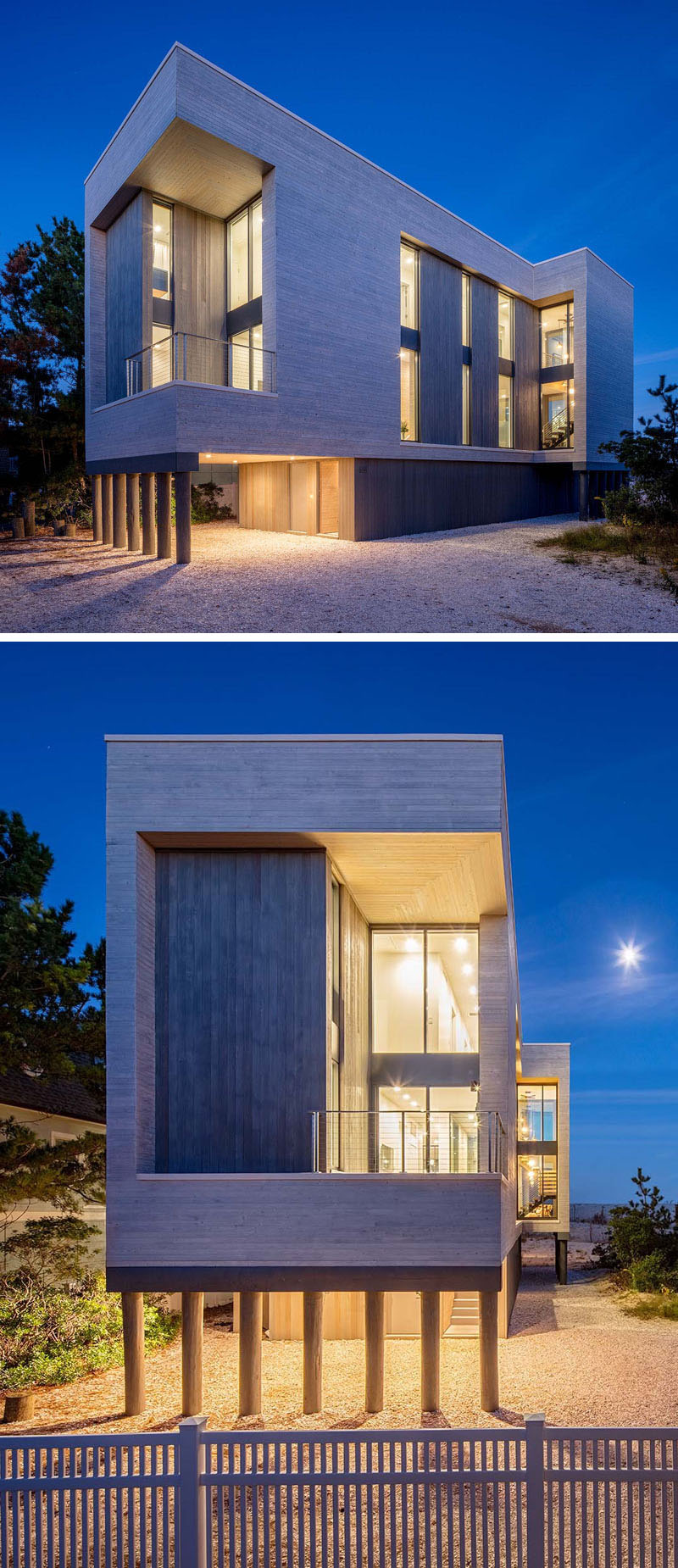
Rather than simply replacing what was lost, this design reimagines coastal living through a lens of safety and durability. It perfectly balances ultimate storm-resilience with the creation of a warm, family-friendly atmosphere, standing as a beacon of hope and responsible design on vulnerable coastlines.
✦ ArchUp Editorial Insight:
This article reviews a successful architectural project that merges structural safety with aesthetics in a hurricane-prone coastal area. The core idea is to present how architectural design can achieve “storm-resilience” through innovative techniques and materials like hurricane-rated glass and boat-inspired construction without sacrificing the home’s aesthetic comfort or functionality for a family. A criticism, however, is the article’s repetition of certain phrases, such as the literal description of the square footage and building techniques, which disrupts the text’s flow and creates a sense of redundancy. On a positive note, the conclusion successfully frames the home not just as a building, but as a “beacon of hope and responsible design,” giving the project a deeper, inspirational human dimension for similar communities.
Brought to you by the ArchUp Editorial Team
Inspiration starts here. Dive deeper into Architecture, Interior Design, Research, Cities, Design, and cutting-edge Projectson ArchUp.