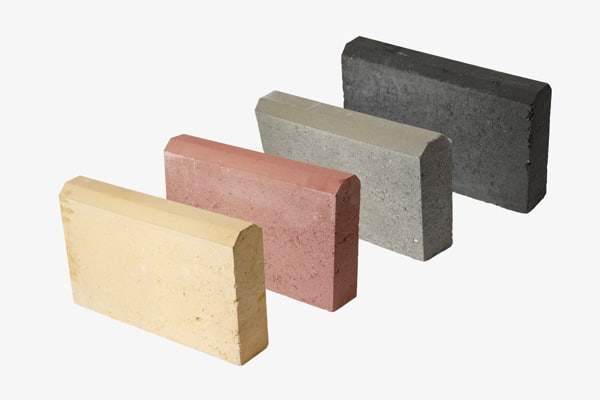
Agricultural curbstones are concrete elements used in landscaping, road edges, and garden borders. They provide structural reinforcement while improving the aesthetic appeal of outdoor spaces. These curbstones are essential in organizing green areas, preventing soil erosion, and ensuring a neat separation between different surfaces.
Why You Should Use It?
Enhances Structural Integrity: Reinforces borders and prevents soil displacement.
Aesthetic Improvement: Provides a clean and organized look for landscapes.
Durability: Made of high-strength concrete for long-term use.
Weather Resistance: Withstands environmental factors like heat, moisture, and frost.
Ease of Installation: Pre-cast design allows for quick and efficient placement.
Key Features
Property
Description
Material Composition
High-strength concrete
Shape
Rectangular or curved
Color Options
Grey, Red, White
Surface Finish
Smooth or Textured
Weather Resistance
Resistant to moisture, heat, and frost
Uses
Landscaping and Garden Edging: Defines boundaries between plant beds and walkways.
Pathway & Road Borders: Separates paved and non-paved areas.
Agricultural Applications: Helps in organizing farming zones.
Water Drainage Control: Directs water flow and prevents soil erosion.
Public & Private Spaces: Used in parks, driveways, and urban landscaping.
Dimensions & Specifications
Specification
Value
Length
30–100 cm
Width
10–20 cm
Height
20–50 cm
Weight
15–50 kg per unit
Case Studies
Urban Landscaping: Used in public parks to create structured walkways and greenery zones.
Agricultural Land Use: Helps organize farmland sections effectively.
Roadside Installation: Provides sturdy border separation along pavements and sidewalks.
Installation Recommendations
Base Preparation: Ensure a compact and level foundation before installation.
Alignment: Position curbstones accurately for straight or curved layouts.
Joint Sealing: Use mortar or adhesive for added stability and durability.
Jenna AL-Saggat is an architectural journalist specializing in architecture news, contributing reporting and commentary on architecture and design to ArchUp.
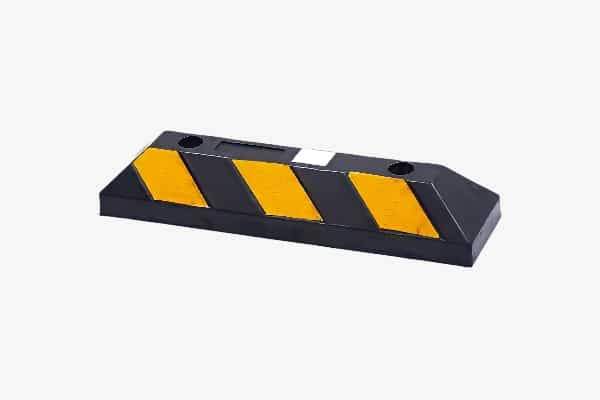
Overview Plastic parking stops are durable, lightweight, and eco-friendly solutions for organizing parking spaces and preventing vehicle overruns. They are…
General Description Red firebrick is a specialized brick designed for high-temperature applications, particularly in fireplaces, ovens, and industrial furnaces. Made…