Liquid Blue Bond

Overview
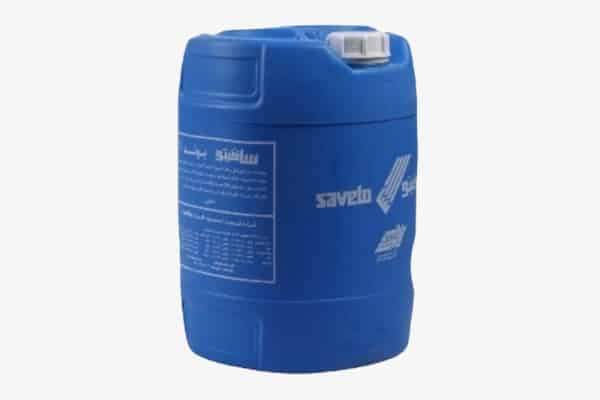
Liquid Blue Bond is a construction adhesive used to enhance the adhesion of cement-based materials. It is commonly applied in plastering, tiling, and concrete repairs, providing superior bonding strength and reducing the risk of cracks and detachment.
Why Use Liquid Blue Bond?
- Enhanced Adhesion – Improves the bond between new and old concrete or mortar.
- Crack Resistance – Reduces shrinkage and prevents surface cracks.
- Water Resistance – Enhances durability in humid environments.
- Versatile Application – Can be used for plastering, tiling, and patching.
Common Uses
- Plastering – Strengthens the adhesion of plaster to walls and ceilings.
- Tiling – Enhances tile adhesion and prevents detachment.
- Concrete Repairs – Used in patching cracks and reinforcing weak surfaces.
- Floor Screeds – Improves the bonding strength of screeds for a durable finish.
Specifications
| Property | Value |
|---|---|
| Form | Liquid |
| Color | Blue |
| Application | Mixed with cement or mortar |
| Drying Time | 24 hours |
| Water Resistance | High |
Application Steps
- Surface Preparation – Ensure the surface is clean and free of dust.
- Mixing – Dilute the bond with water as per the manufacturer’s instructions.
- Application – Apply the mixture with a brush or roller before plastering or tiling.
- Curing – Allow it to dry completely before proceeding with further construction work.
Case Studies
- High-Rise Construction – Used to strengthen wall finishes and reduce cracking.
- Bathroom Renovations – Applied to prevent water infiltration under tiles.
- Industrial Floors – Enhances the durability of cement floors in factories.
Maintenance
- Store Properly – Keep in a sealed container away from direct sunlight.
- Check Expiry – Use before the expiry date for optimal performance.
- Clean Tools – Wash brushes and rollers immediately after use.