

Corvette and Cadillac: Can the American Legends Win Over European Drivers?

A New Dawn for an American Legend
How the “Sting Ray” Sparked a Turning Point in Corvette History
More than six decades ago—specifically in 1963—Chevrolet experienced a pivotal moment in its journey when it launched the second generation of its iconic sports car, the Corvette, which at the time bore the name “Sting Ray.” Back then, no one could have predicted that this car would evolve into one of the most enduring symbols in the world of sports cars—an American answer, of sorts, to the Porsche 911, which was also unveiled in the same year.
Beyond Design: A Balance of Engineering and Visual Innovation
The “Sting Ray” was the brainchild of legendary designer Bill Mitchell, who was determined to infuse the car with advanced technological features by American market standards of the time. Chief among these innovations was the independent rear suspension system, which set it apart from other sports cars competing in the U.S. market.
Aesthetically, the “Sting Ray” dazzled car enthusiasts with its split rear window—a design element that appeared for just one year. Despite its striking visual appeal, the feature was later discontinued due to safety considerations on the road.
A Legacy Hard to Match
From that moment on, the name “Sting Ray” became synonymous with design excellence, bold innovation, and the ability to strike a delicate balance between performance and visual presence. This combination made the 1963 model a landmark in the Corvette lineup—one that remains difficult to replicate—and a true challenge for every generation that followed.
Return of the “Ray”: A New Chapter in Corvette’s Journey
From Heritage to Technological Transformation
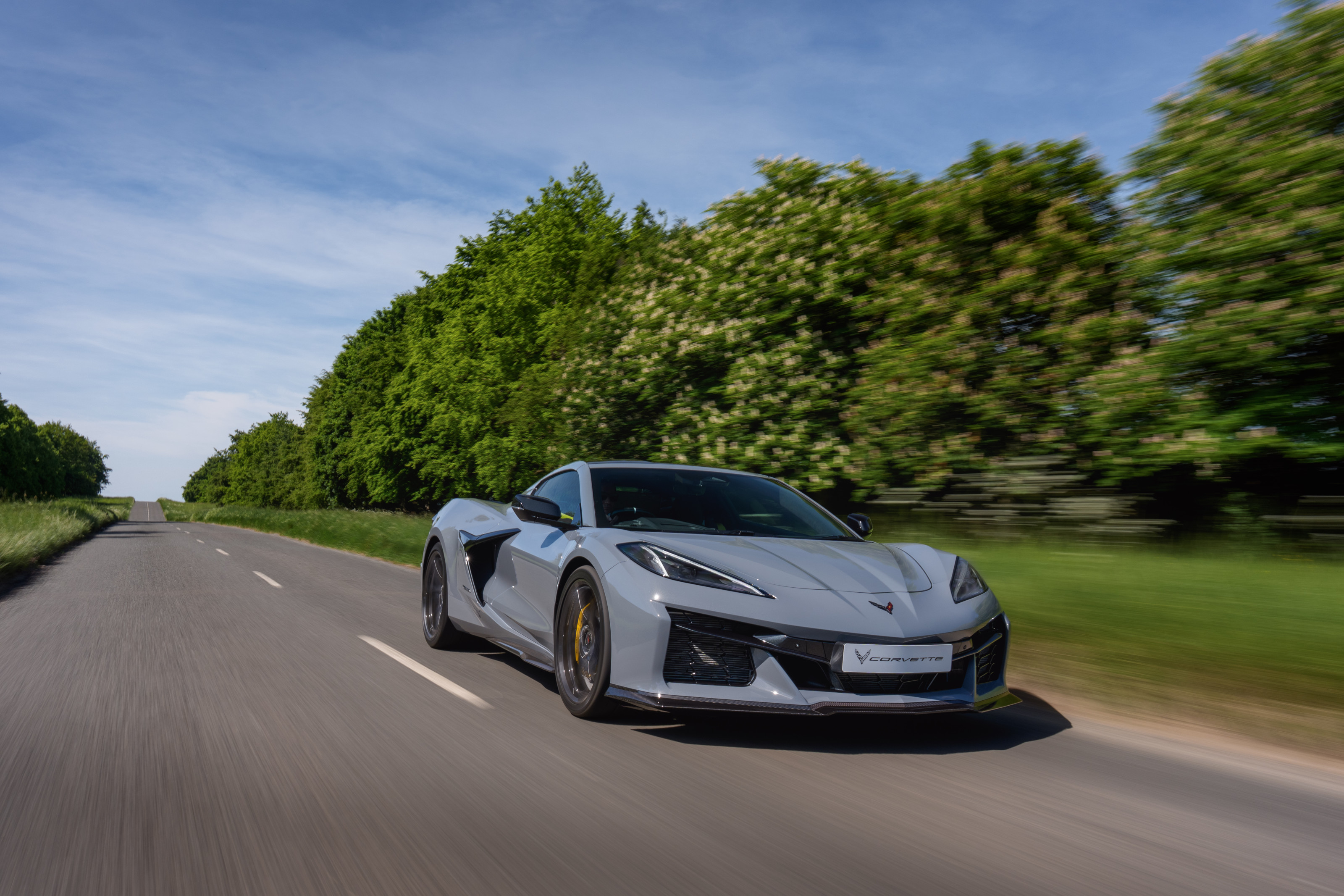
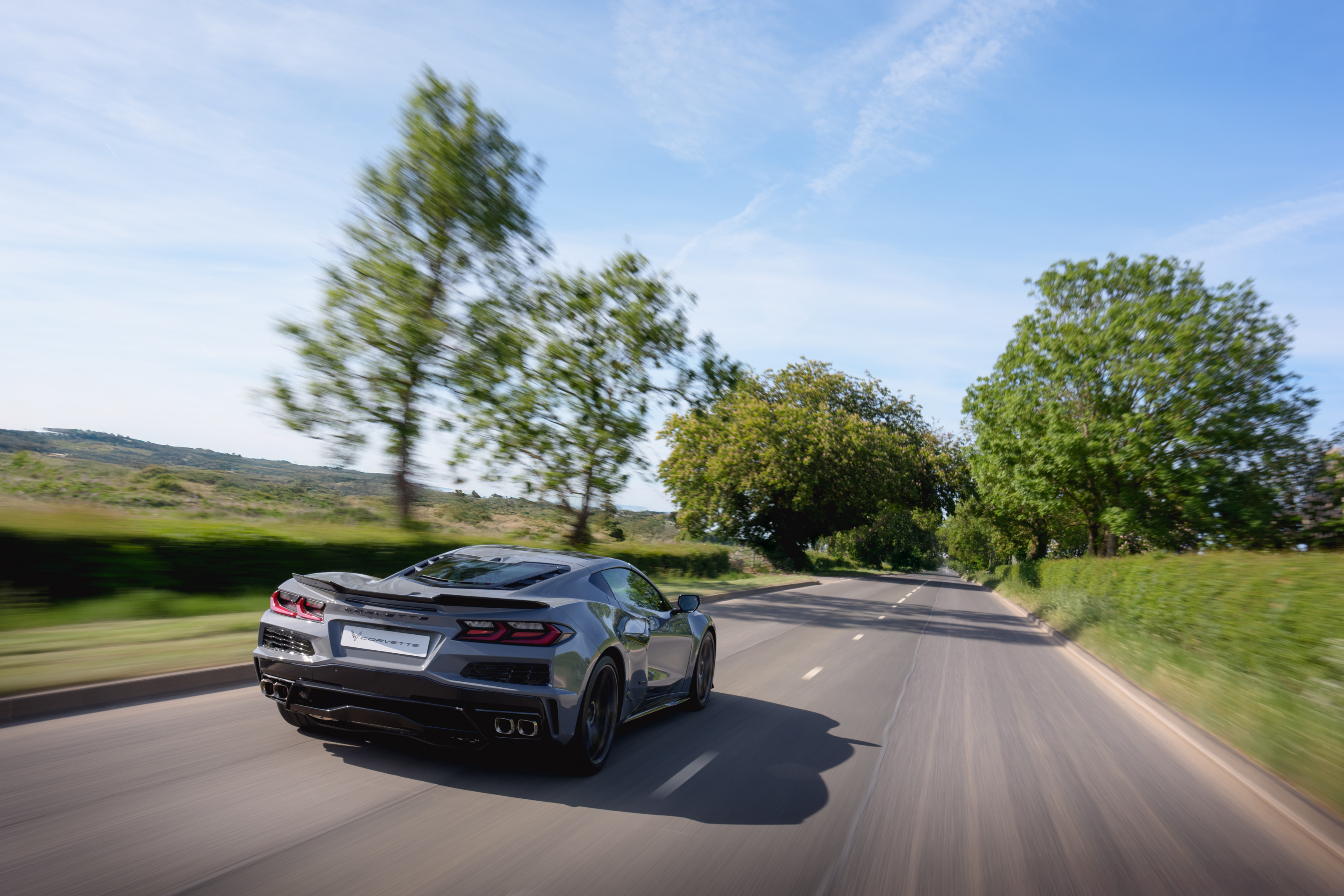
Over the past decades, the Corvette name has passed through multiple generations—particularly across the C and ZR series—but the return to the “Ray” moniker was no coincidence. Chevrolet deliberately chose to revive this historic name with the launch of the first electrified Corvette in history: the E-Ray.
E-Ray: A Hybrid Step Toward the Future
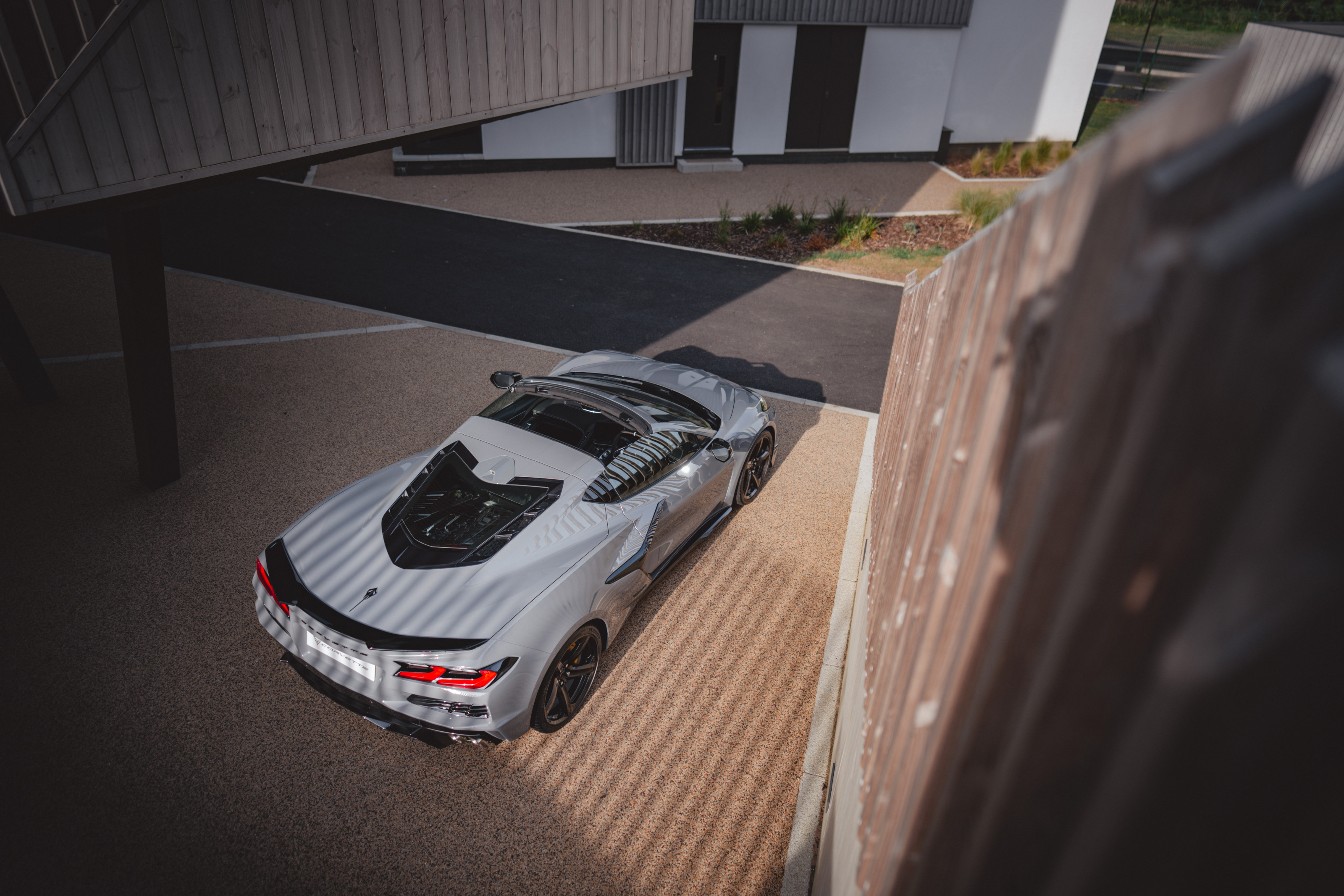
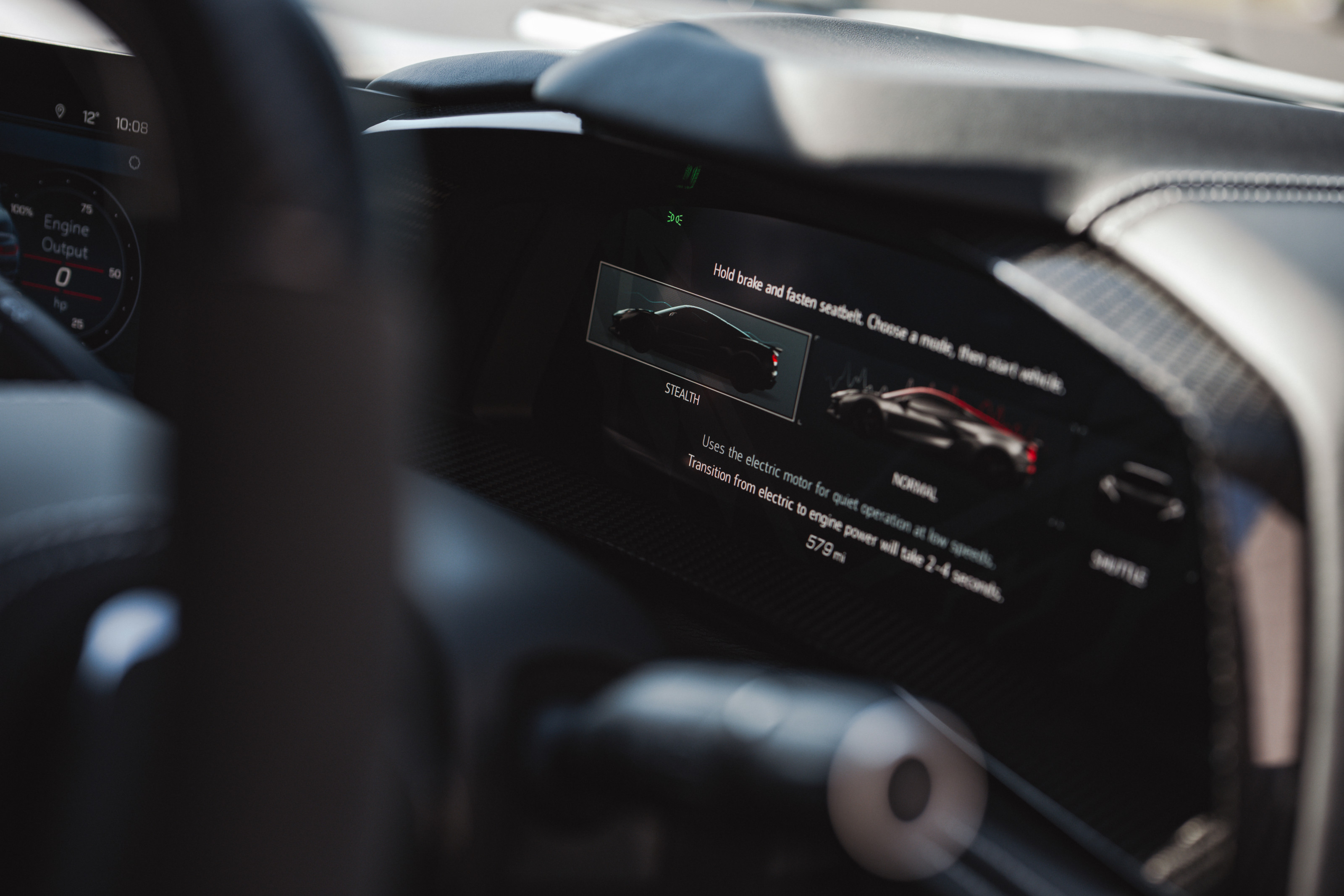
Although classified as the first electrified model, the E-Ray is not fully electric. Instead, it is a hybrid that combines a traditional V8 engine with a 1.9 kW regenerative battery pack. This configuration delivers exceptional acceleration—from 0 to 100 km/h in just 2.9 seconds—making it one of the fastest hybrid models in its class.
European-Inspired Specifications
The uniqueness of the E-Ray goes beyond performance. It is the first Corvette to feature all-wheel drive, and the first to be offered in right-hand drive, tailored to specific markets in Europe and Asia. Deliveries are scheduled to begin in September—a clear step toward strengthening Corvette’s presence in the European market, which is showing growing interest in hybrid and electric vehicles.
Reality Shifts: Why Are Sports Cars Going Hybrid?
A Look at Global Market Trends
According to Per Brugal, President and Managing Director of General Motors Europe, the shift toward hybrid systems is no longer a passing trend—it’s a clear trajectory backed by data. He notes that while hybrid sports cars accounted for just 4% of the market last year, that figure has now risen to around 20%.
This rapid growth has been driven by the entry of major brands into the hybrid segment, including:
- McLaren Artura
- Ferrari 296 GTB
- Lamborghini Revuelto
What Draws Performance Enthusiasts to Hybrids?
Brugal explains that the results of focus groups organized by the company revealed a growing consumer awareness of hybrid technology’s benefits. It’s not just about fuel efficiency—the electric boost provides enhanced acceleration while preserving the visceral thrill of an internal combustion engine, a component that remains central to the driving experience for sports car lovers.
From Track to Road: Renewing a Performance Legacy
Corvette Reinvents Its Identity Through Racing and Technology
The move toward hybrid systems doesn’t come in isolation from Corvette’s long-standing history in high-performance motorsport. The brand marked its first-ever endurance racing victory in Europe during the “4 Hours of Imola” event, part of the European Le Mans Series, in July. This achievement signals a deliberate effort to reconnect the present with Corvette’s deep-rooted racing heritage.
Caution Before Going Fully Electric
Despite this push toward innovation, Corvette doesn’t appear to be planning a full transition to electric vehicles—at least not yet. As Per Brugal states:
“We currently don’t have a fully electric model in our lineup, but as a company [General Motors], we hold the second-largest EV portfolio in the United States.”
Hybrid as a Transitional Phase… and the Untouchable Sound
Brugal sees the hybrid system as a bridge to the future—and possibly a preparatory step toward an all-electric Corvette, should the market demand it. However, he highlights one element that remains non-negotiable:
“The distinctive Corvette sound is one of our strongest assets, and we’ll address that challenge when the time comes.”
The European Context: A Market More Prepared
Why the E-Ray Finds a Golden Opportunity in the Old Continent
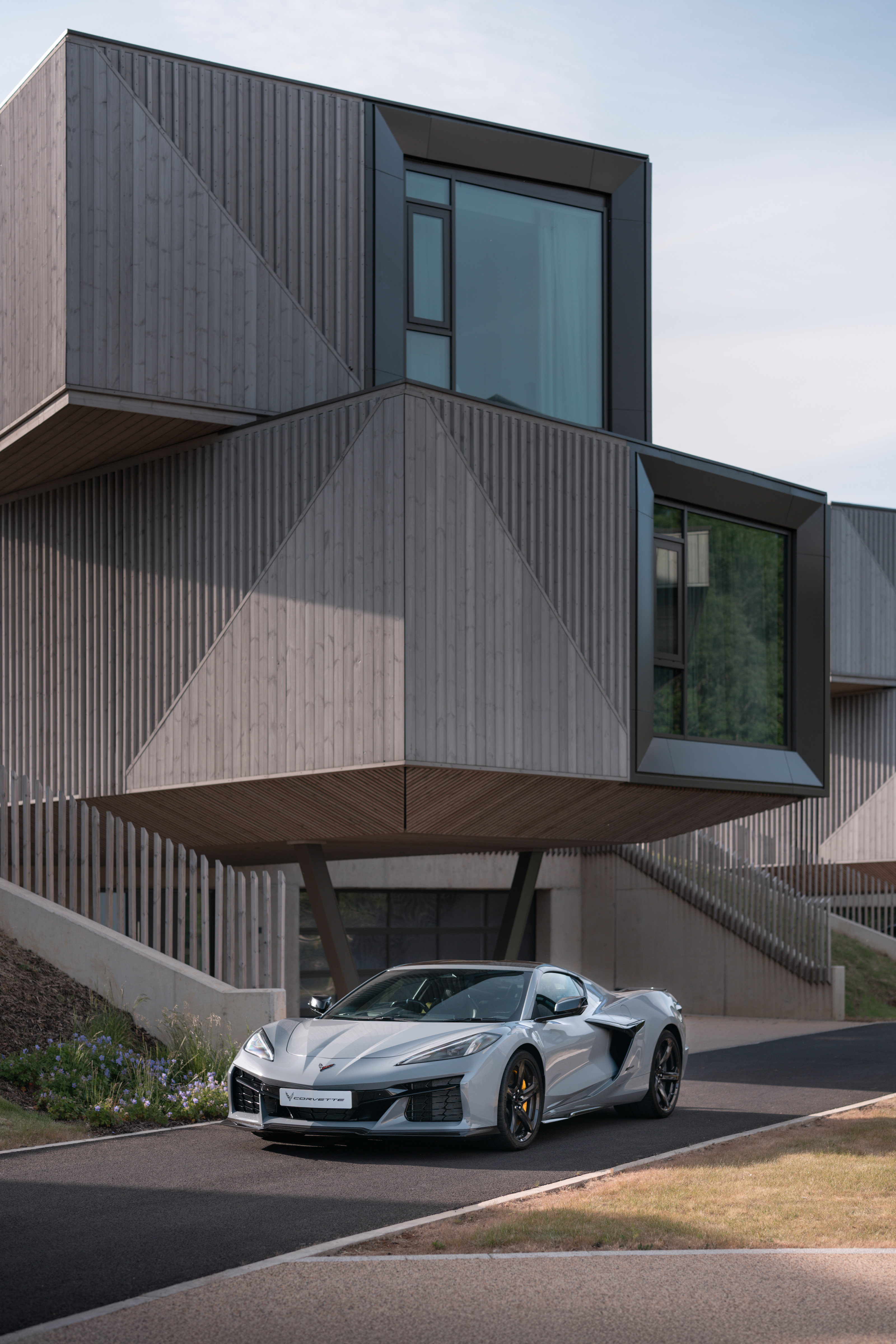
Europe is witnessing a growing enthusiasm for electric and hybrid vehicles—one that surpasses the level of excitement found in the United States. This trend goes beyond EU legislation mandating a future free of combustion engines. It positions the launch of a model like the E-Ray as a perfectly timed move, especially considering what Per Brugal calls “Europeans’ deep appreciation for American design heritage” in the automotive world.
European Calibration for Local Roads
Given that European roads differ significantly from their American counterparts, the European version of the E-Ray has undergone specific adjustments in driving dynamics and suspension tuning. Brugal smiles as he puts it:
“Roads in Europe are different… in fact, they’re often full of potholes.”
Though said with a touch of humor, this remark points to the brand’s clear intent to tailor its product to local conditions—a factor that could significantly boost the E-Ray’s appeal and success in European markets.

Toward a Global Identity: Is Corvette Shifting from “American Icon” to International Brand?
Crossing Geographic Boundaries
Per Brugal acknowledges that American cars have historically been designed primarily to meet domestic market needs—with a few notable exceptions such as Ford and Jeep. However, the launch of the E-Ray may mark the beginning of a new trajectory aimed at transforming Corvette into a truly global brand.
Conceptual Visions with an International Outlook
In line with this direction, General Motors recently carried out a design exercise titled Corvette Concept at its UK design studio. This concept is the first of three future design visions that reflect Corvette’s growing commitment to a more global approach—in design, identity, and overall direction.
Cadillac Reenters the European Stage
Reviving a Name Rich in Symbolism and Pop Culture
General Motors’ ambitions extend beyond Corvette. Per Brugal is also overseeing the relaunch of Cadillac in the European market—a name widely considered one of the most emblematic among American car brands.
While Cadillac is well-known across Europe thanks to its presence in films, music, and decades of technological innovation, Brugal poses a striking question:
“How many people in Europe have actually driven a Cadillac?”
And he answers it himself:
“Very few.”
But that reality, he suggests, is about to change—for both Cadillac and Corvette—as part of a broader global expansion strategy aimed at overcoming long-standing geographic and historical boundaries.

✦ ArchUp Editorial Insight
Reintroducing Cadillac to the European market is a bold step that carries both cultural and commercial implications. On one hand, the brand name holds symbolic weight that may intrigue European consumers—especially those with a passion for American culture or a deep appreciation for heritage marques. There’s a genuine opportunity to inject fresh energy into a luxury segment largely dominated by German and French manufacturers, by offering an alternative with a distinctly American identity.
On the other hand, the task is far from simple. Success cannot rest on name recognition alone—particularly in a market known for its complexity and loyalty to local brands. European consumers place strong emphasis on factors such as fuel efficiency, cutting-edge technology, environmental standards, and aerodynamic design. Unless Cadillac delivers an experience that matches—or exceeds—what buyers have come to expect, this relaunch may remain a short-lived curiosity rather than a lasting return.
Explore the Latest Architecture Exhibitions & Conferences
ArchUp offers daily updates on top global exhibitions, conferences, and professional art and design forums.
Follow key competitions, check results, and stay informed through the latest news worldwide.
ArchUp is your encyclopedic hub for discovering events and design-driven opportunities across the globe.


