Ana-Digi Temp Watch Design: Reimagining the Connection Between Car Dashboards and Modern Technical Functions

Appreciation for Classic Analog-Digital Watches
It is not necessary to be part of the millennial generation to appreciate the aesthetics of old analog-digital watches. Those who grew up in the 1980s are well aware of the role these interfaces played in watch design, representing a revolution in how time and other information were displayed.
Design Inspired by Dashboard Panels
One of the most prominent trends at the time was incorporating design elements inspired by car dashboard panels into watches, giving them a practical and technical appearance simultaneously. Some quartz watches that emerged during that era combined analog and digital functions while adding unique features such as temperature displays or multifunction indicators. This approach mirrors the precision seen in Buildings design and layout, emphasizing function with style.
Reviving Classic Styles
In recent years, efforts have been made to revive these classic styles with a modern twist. By redesigning some quartz watches, elements of the vintage style have been integrated with contemporary touches, focusing on a user experience that reflects harmony between classic aesthetics and modern functionality. For example, some modern watches feature a dashboard-inspired interface in a way that makes viewing them an engaging and enjoyable experience, restoring the former charm of the connection between design and function.
Functionality and Appeal in Analog-Digital Watches
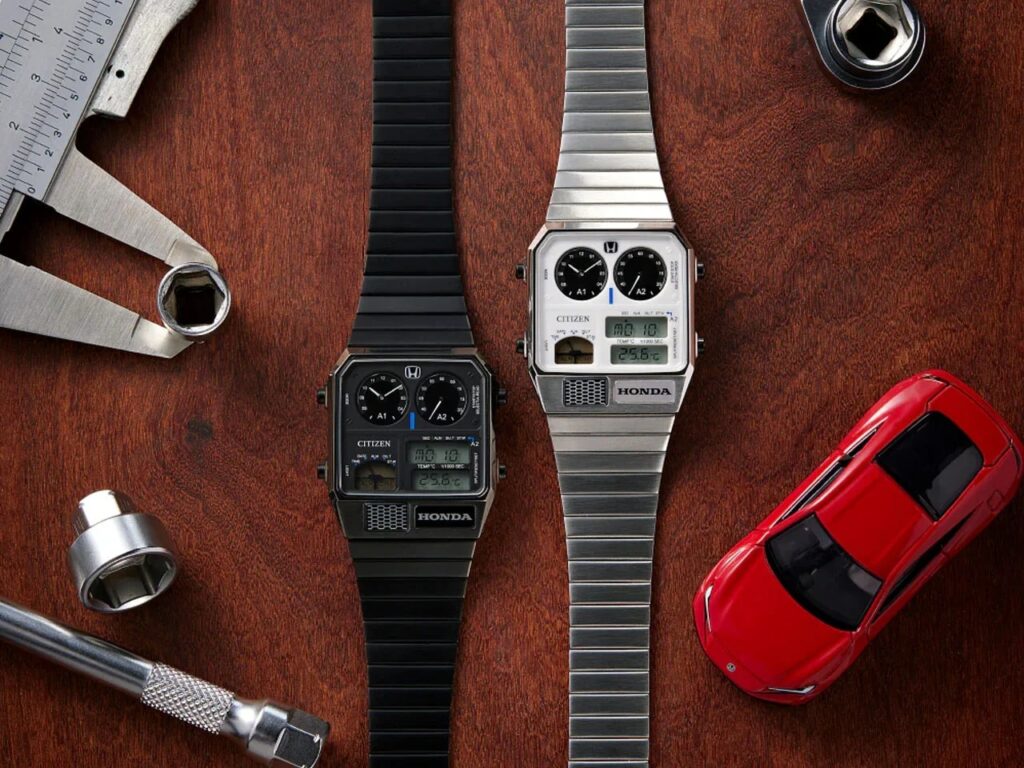
Modern analog-digital watches demonstrate how multiple functions and visual appeal can be combined in a single design. Some editions have been developed to preserve the core functions of classic models, such as analog and digital time display and additional features like temperature indicators or multiple time zones, while introducing enhancements in finishing and case materials to improve durability and overall appearance.
Design and Engineering Structure
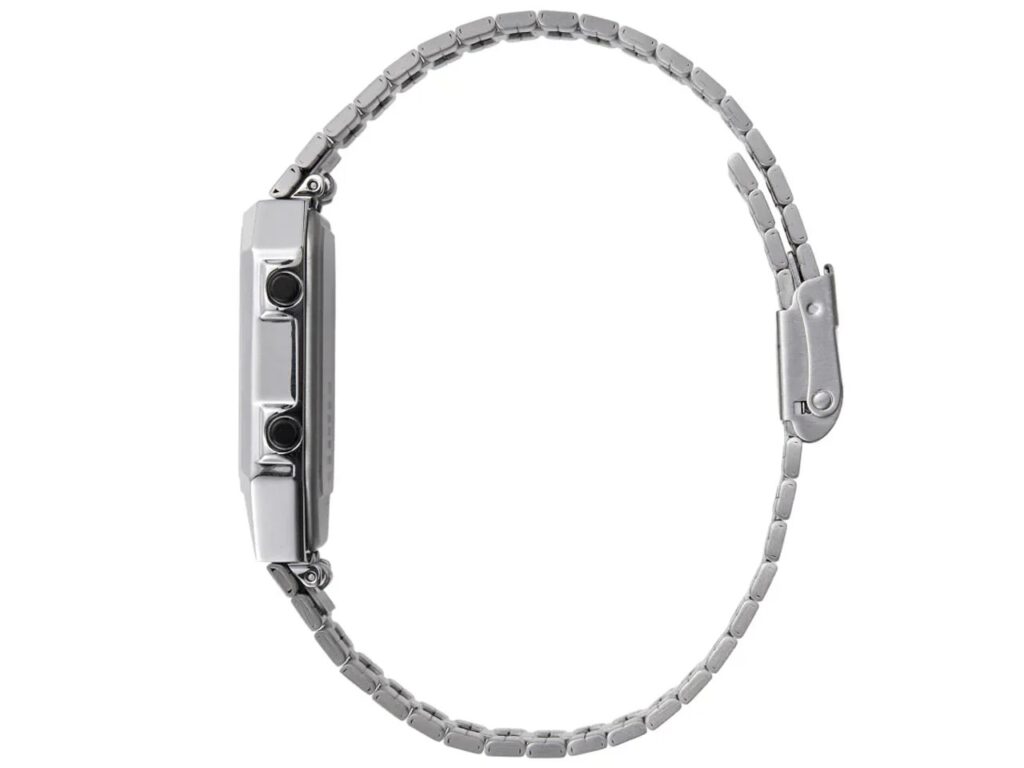
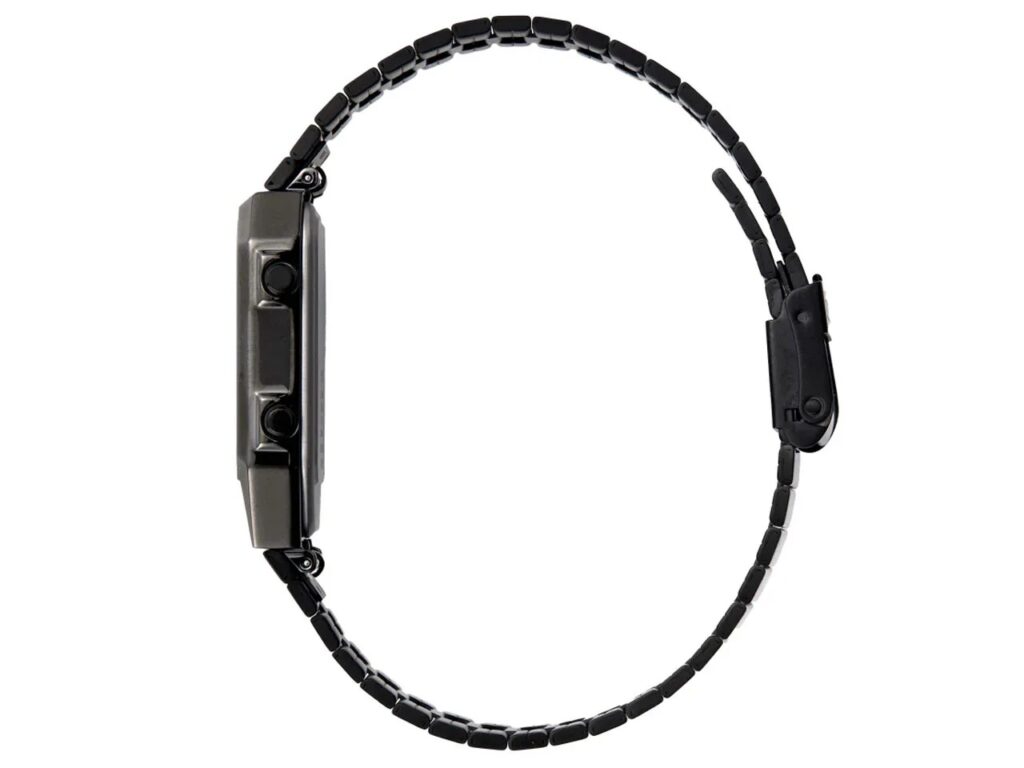
The engineering structure of a watch plays an important role in the user experience, as the case size and thickness affect both comfort and appearance on the wrist. For example, some modern watches use carefully measured steel cases, such as a width of around 32–33 mm, a length of 40–41 mm, and a thickness of approximately 8 mm. These dimensions offer a blend of elegance and practical functionality, making the watch easy to read and comfortable to wear throughout the day. This meticulous planning can be compared to Construction precision in architectural projects.
Balancing Classic Style with Modern Touches
By maintaining design elements inspired by classic car dashboards, a watch can evoke a sense of nostalgia while providing modern materials and finishes for an enhanced user experience. This balance between heritage and contemporary technology demonstrates how reimagining classic models can preserve their identity while meeting the demands of today. Similar principles are observed in contemporary Architecture projects.
Watch Face Layout and Functions
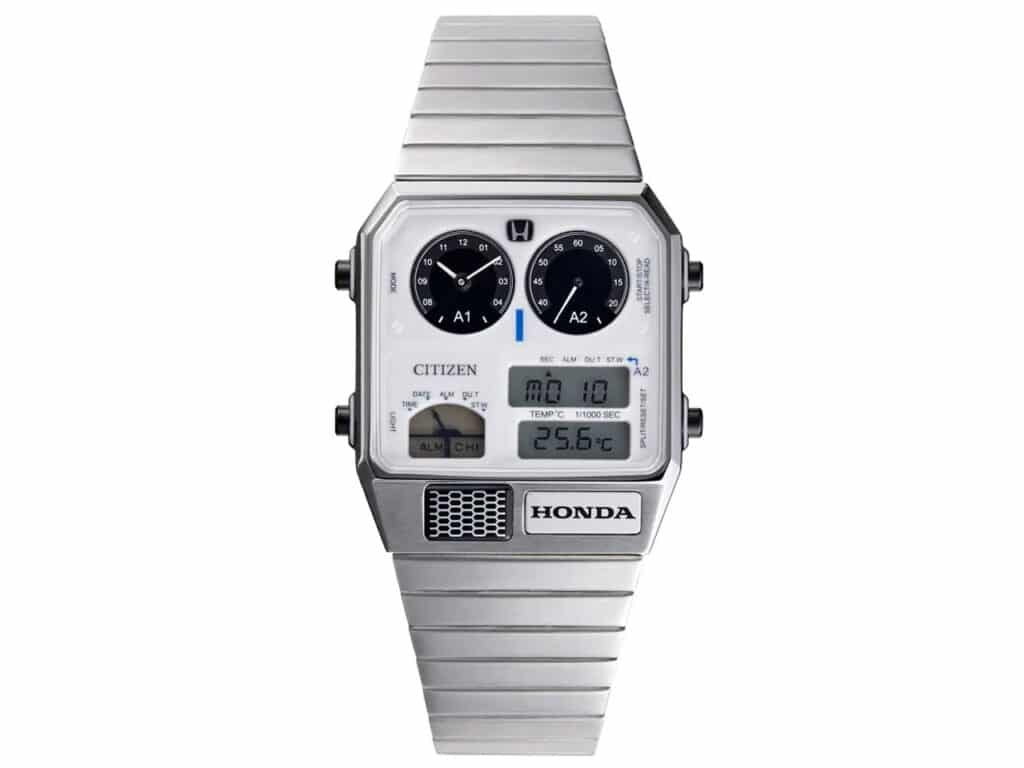
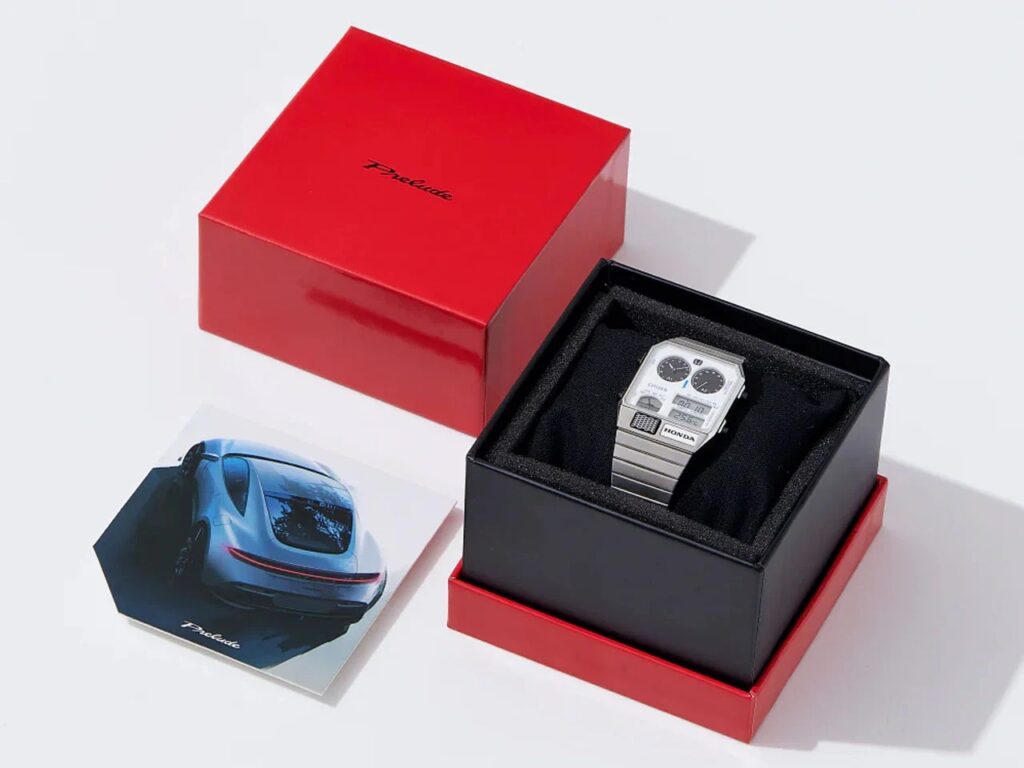
The face of analog-digital watches is divided into two halves to facilitate readability and organize information. The upper half often serves as the area for core functions and distinctive indicators, such as the 12-hour marker and some sub-dials that add precise and varied functionalities.
Sub-Dials and Dual Functions
Some sub-dials reflect the design of speedometers in classic car dashboards. For example, one sub-dial may display the main hour and minute hands, while another is dedicated to the continuous second hand, which can perform additional functions such as measuring a second time zone or acting as a stopwatch, depending on the watch’s mode. This level of detail mirrors the careful planning seen in Projects execution.
Harmonizing Form and Function
This type of face layout enhances the user experience by highlighting essential information in a clear and easily readable area, while providing extra functions without visual clutter. It allows a balanced combination of aesthetic design and practical functionality, demonstrating how complex interfaces can remain user-friendly and efficient, similar to principles in Research on design usability.
Lower Half Layout of the Watch Face
The lower half of the watch features additional organization, divided into two central sections to allow quick and clear access to various information.
Left Side: Multi-Function Analog Dial
On the left side of the division is an analog dial capable of displaying multiple functions depending on the user-selected mode. These functions include time, date, alarm, as well as dual time and stopwatch. This dial allows simple and clear control over essential information without needing to switch between multiple interfaces.
Right Side: Versatile Digital Display
The right side includes two parallel digital screens. The upper display shows digital time and date along with additional modes, while the lower display measures temperature in Celsius. This section can also display a chronograph with accuracy up to 1/1000 of a second when the stopwatch is activated, providing high precision for tasks requiring advanced timing.
Combining Analog and Digital
This layout combines the traditional benefits of analog display, readability and elegance, with the advanced functionality of digital display. It demonstrates how smart design can integrate multiple streams of information into a single interface in a clear and eye-friendly way, while maintaining a balance between form and function.
Car-Inspired Design Details
One distinctive feature in some modern analog-digital watches is a section below the case that resembles a speaker grille, composed of a hexagonal pattern. This design is inspired by the front grille of classic cars, adding both a visual and technical dimension to the watch simultaneously.
Additional Functions and Precise Indicators
This section is used to display the watch’s temperature gauge, enhancing the interface’s multifunctionality without adding complexity. Small symbols or logos may accompany these indicators, reflecting design elements from the classic car that inspired the watch, connecting aesthetics with performance.
Strap and Internal Movement
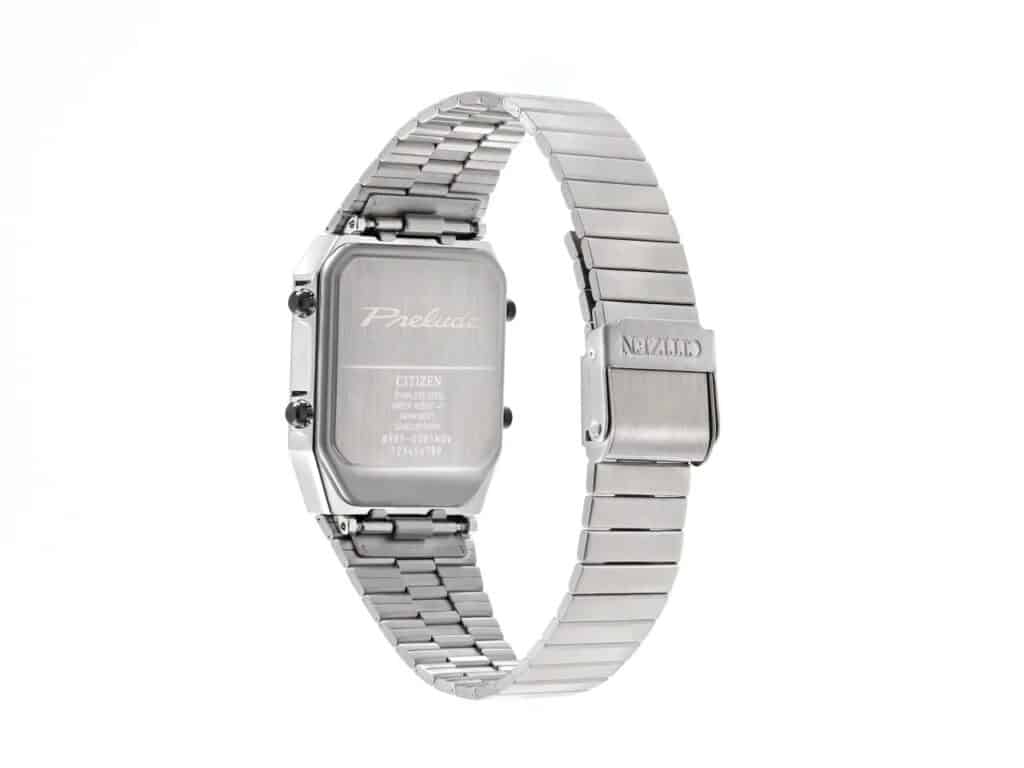
Some of these watches feature a graduated single-row strap that ensures comfort and durability, while the internal movement operates with a quartz system, providing high accuracy and reliable timekeeping. This balance between artistic design and mechanical functionality demonstrates how innovation in watches can preserve classic identity while delivering modern, dependable performance.
Case Back and Water Resistance
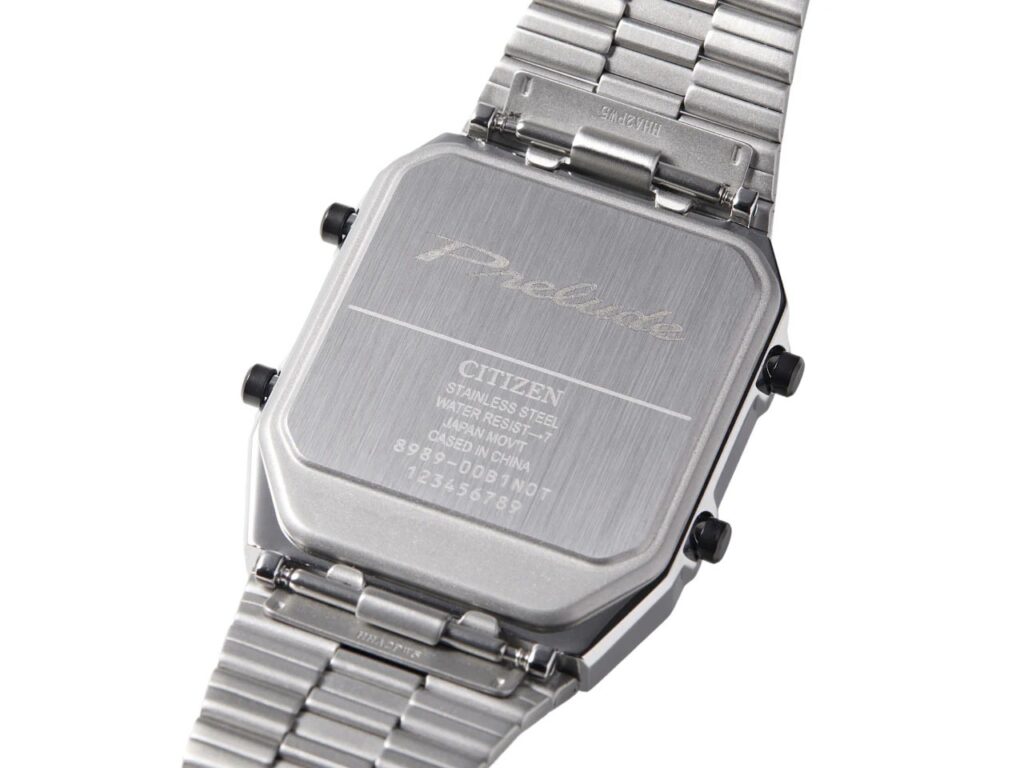
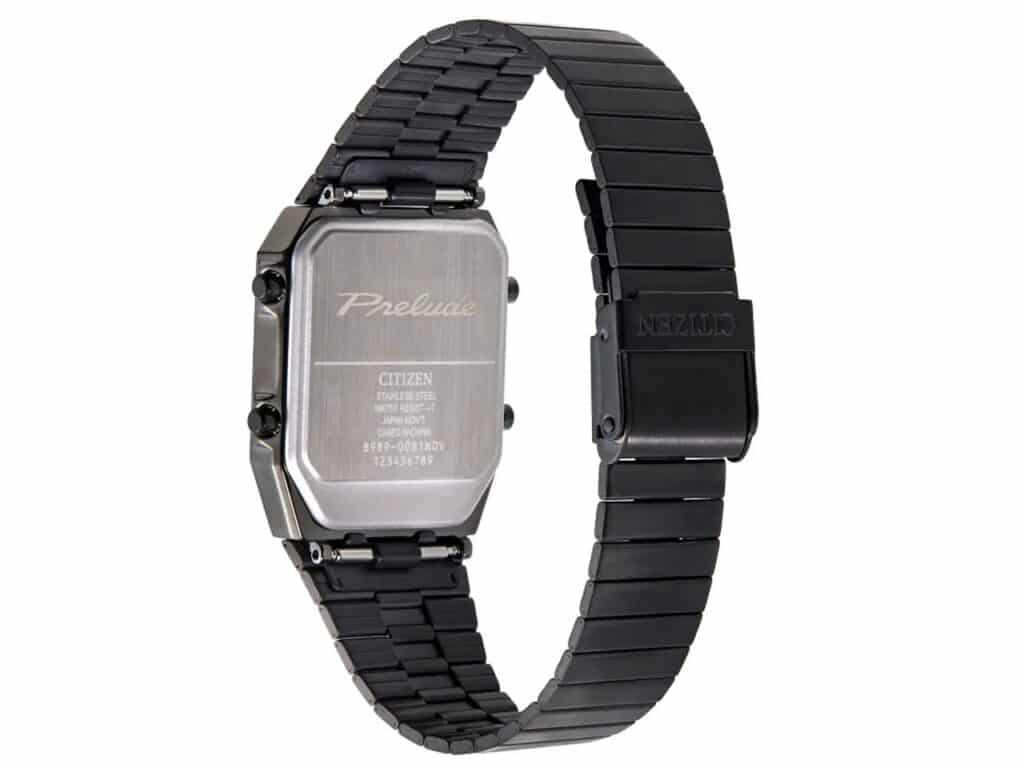
Some modern analog-digital watches feature a solid case back that ensures protection of the internal components and adds stability to the watch case. These watches typically offer water resistance up to around 50 meters, allowing the watch to be worn during moderate daily activities such as handwashing or rain exposure without affecting the accuracy of the internal movement. This careful attention to protection is similar to strategies used in Construction for ensuring durability.
Color Options and Customization
Certain models are available in different case and strap colors, such as white or black, providing users with choices that suit their personal taste. These options demonstrate how watch design can balance practical functionality with aesthetic appeal, much like interior and exterior considerations in Interior Design projects.
✦ ArchUp Editorial Insight
From a design perspective, the project demonstrates a clear approach to integrating vintage aesthetics with modern functionality, particularly in the way the interface is organized and sub-dials are arranged. This attention to fine details and user experience conveys a sense that the project has a clear vision for blending form with function.
However, the project raises some questions regarding portability and adaptability in different contexts, especially since the emphasis on dashboard-inspired elements may limit design flexibility in diverse architectural environments. Additionally, the abundance of functions and symbols on the interface could confuse inexperienced users and reduce visual effectiveness when applied to larger projects or spaces requiring greater clarity. From an architectural standpoint, this type of design can be considered a valuable experiment for understanding the balance between form and function, but it requires further study to assess its suitability for different user needs and real-world usage contexts. More insights can be drawn from Research on user interaction and interface efficiency.
Overall, the project can serve as an inspirational source for exploring the integration of heritage and modern technology in design projects. However, practical application would require simplifying certain elements and conducting a deeper analysis of how fine details impact user experience across varied environments. This approach aligns with principles observed in Architecture Competitions for balancing innovation and usability.