Architectural Implications of the Vondelkerk Church Fire in Amsterdam

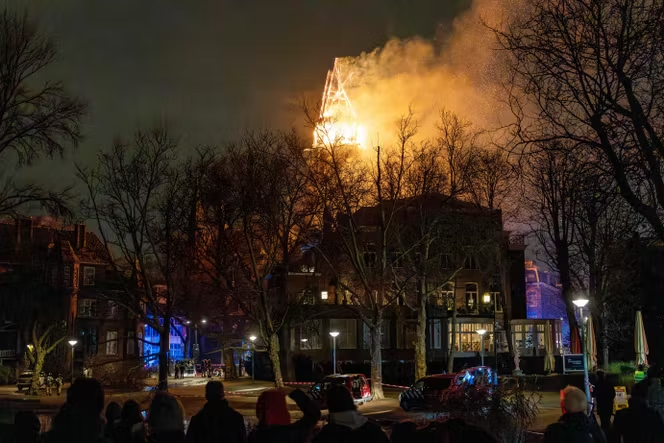
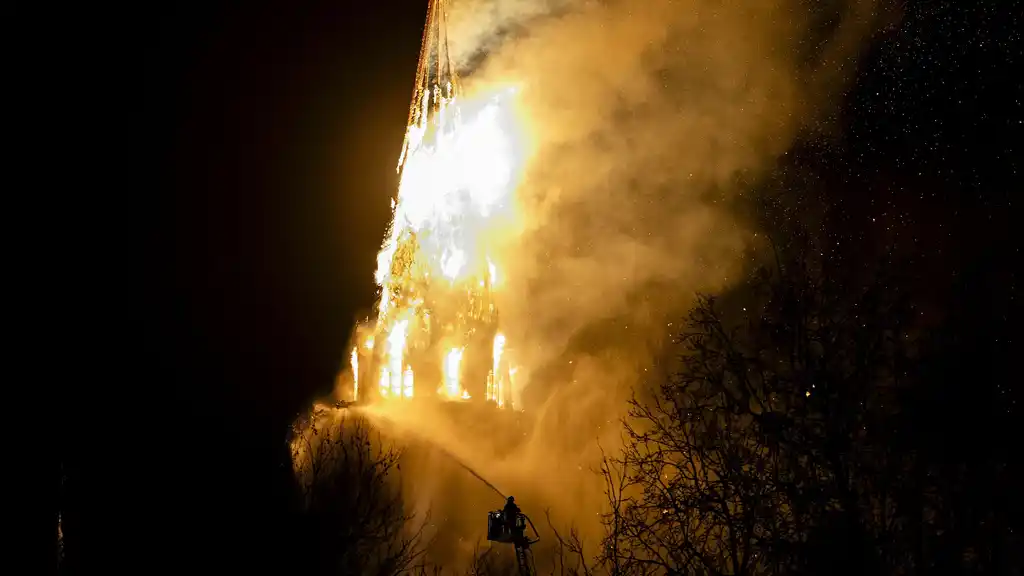
The architectural implications of a fire were clear on New Year’s Eve when flames engulfed the historic Vondelkerk Church in Amsterdam. The blaze destroyed the tower and severely damaged the interior roof. Authorities confirmed that they cannot save the building. At 154 years old, the church served as a key landmark and defined the urban planning of the surrounding Vondelpark neighborhood. Its loss significantly affects the cityscape.
Possible Causes of the Fire
Investigators point to fireworks during New Year celebrations as the main cause. Such fires frequently occur in the Netherlands at this time of year. The church’s tower and roof contained old building materials that helped flames spread quickly. Investigators found no evidence of deliberate ignition or electrical faults. The incident highlights the need to use fire-resistant building materials in historic buildings to reduce risks.

Architectural Implications
The tower collapse removed a central visual feature of the church in Amsterdam’s skyline. Damage to the roof and interior structures exposed the vulnerability of historic buildings, especially where construction systems are outdated. This loss is a setback for Dutch architectural heritage. The church, a late 19th century religious structure, featured ornate wooden elements and stained glass windows. The fire raises questions about integrating interior design and fire-resistant building materials in future restorations. It clearly shows the architectural implications of fires on historic buildings.
The event also stresses the need to review urban planning strategies and city expansion plans to protect historic buildings. Proper archive documentation is essential. Recording structures before disasters helps planners understand potential architectural implications.

Background on the Church
Built in 1872, the church remained Catholic until its closure in 1977. It later hosted cultural and events activities. Located near Vondelpark, it reflected the neighborhood’s architectural identity. Its design balanced buildings with wooden and glass structures. The church integrated traditional elements with the surrounding urban environment.
Conclusion
The fire warns architects about the challenges of preserving historic buildings. It highlights the importance of safety and fire prevention to protect irreplaceable cultural and architectural heritage. The incident also prompts discussion on using sustainability and architectural design strategies in restorations to limit future risks.
Architectural Snapshot: The fire shows the urgent architectural implications of protecting historic buildings within evolving urban environments.
ArchUp Editorial Insight
The fire at Vondelkerk Church in Amsterdam exposed the architectural implications of losing a 154 year old historic building. The tower collapsed, and large sections of the roof were destroyed, affecting the urban planning of the surrounding Vondelpark neighborhood and highlighting the vulnerability of old structures to fire. Investigators point to fireworks as a likely cause, with old building materials contributing to the rapid spread of flames.
The article shows gaps in protecting historic buildings and the lack of integration between interior design and modern safety standards, emphasizing preventive measures and the use of fire resistant materials. Still, it effectively connects the event to the neighborhood’s architectural identity and the role of the archive in heritage preservation.
Positive insight: it highlights the importance of urban planning in safeguarding historic structures.
Future reflection: this analysis will remain a reference for understanding the architectural implications of fires on old buildings over time.