Architectural Infrastructure Reimagines Power Towers

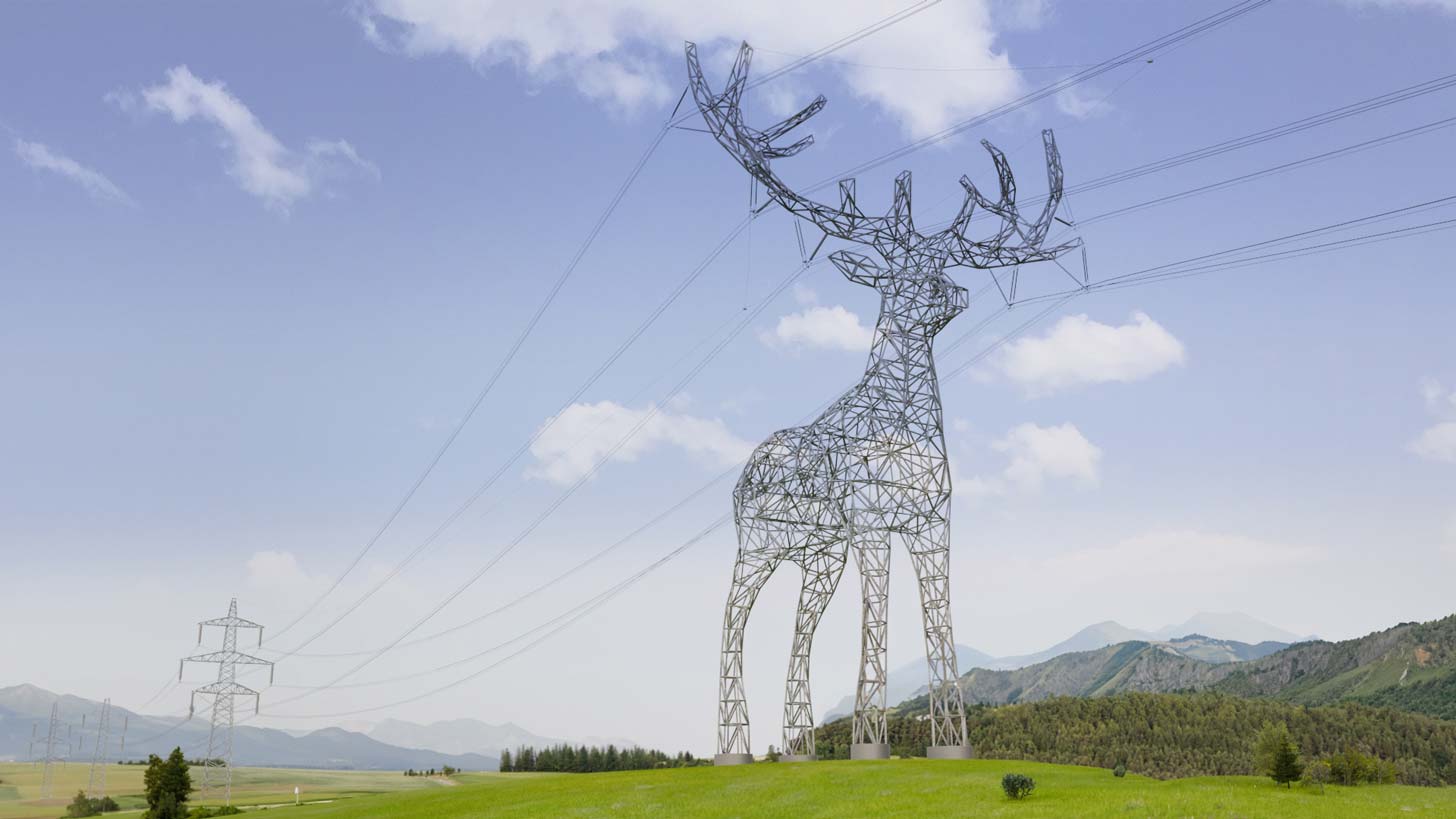
Architectural infrastructure in 2025 now includes technical structures like electricity transmission towers. A conceptual Austrian project explores how these forms can reflect regional identity. It meets engineering requirements while adding cultural meaning to the energy grid.
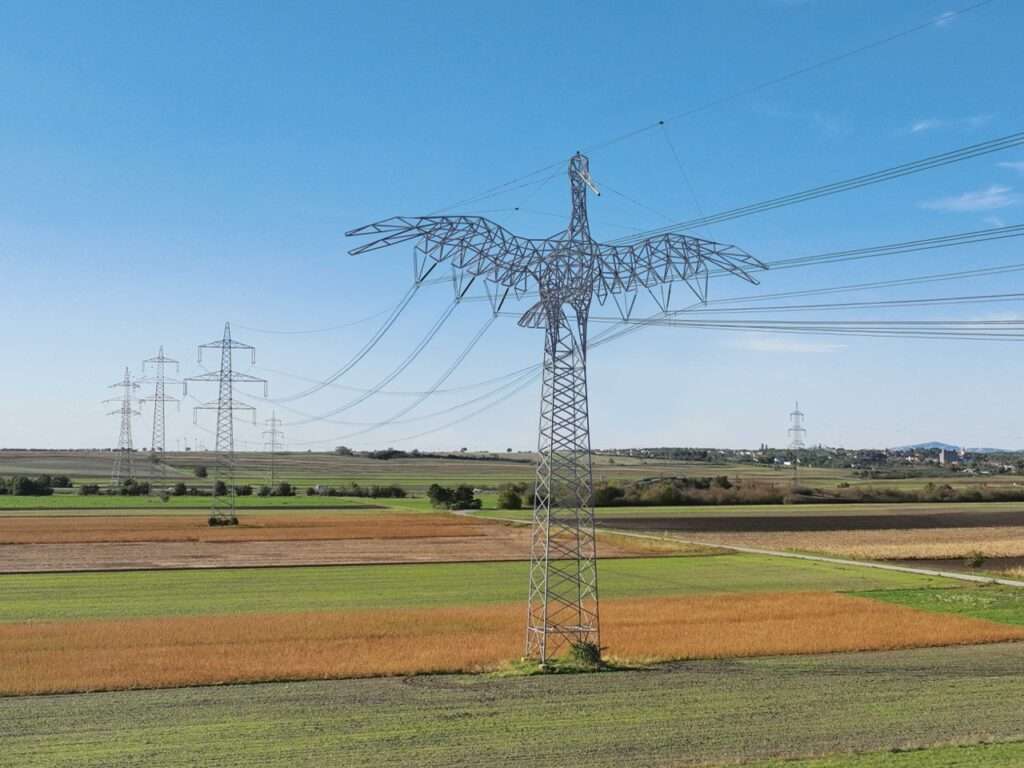
Redefining the Role of Transmission Towers
Austria’s national grid authority led the initiative with design and engineering partners. The goal was to test if towers could be both functional and symbolic. Two prototypes were made. One represents the stork in Burgenland. The other reflects the stag in Lower Austria. Both use structural abstraction, not literal shapes. They maintain required electrical clearances and safety standards. This aligns with current debates in architectural design about place-based engineering.
Structural Logic and Material Strategy
The stork tower uses a lattice steel frame. Its geometry suggests wings through load paths. The stag’s antlers act as conductor supports. Materials match standard transmission towers mostly galvanized steel. Only the arrangement changes to convey local identity. These ideas feed into research on expressive building materials beyond buildings. Only two of nine planned designs have been structurally tested. Yet the project stays grounded in engineering reality. Here, architectural infrastructure becomes a space for cultural expression without sacrificing function.

Infrastructure as Urban Narrative
Adding cultural references challenges the idea that infrastructure must be invisible. The models are displayed at the Red Dot Museum in Singapore until October 2026. They appear in global events about design in public systems. The Red Dot Award recognized the concept. But its real value is in raising questions. Can architectural infrastructure belong to the visual language of cities? Should towers stay anonymous or become civic markers?
Critical Questions on Symbolism and Function
The project remains conceptual. There is no construction timeline or demolition plan. Documentation is stored in the public archive. Future work would need input from regulators and communities. It serves as a prompt within research on technical systems and society. As debates continue, architectural infrastructure may help reshape how people see essential networks. It does so without claiming major gains in environmental sustainability.
Architectural Snapshot: Can symbolic reinterpretation of infrastructure build civic connection or distract from its core purpose?
Two Austrian transmission tower concepts use structural abstraction of regional wildlife to explore how architectural infrastructure can merge engineering necessity with cultural identity.

✦ ArchUp Editorial Insight
The article frames Austria’s power tower project as a neutral design inquiry, yet subtly sidesteps critical scrutiny of feasibility, cost, and actual public reception. It documents the conceptual ambition merging regional fauna with transmission engineering and credits institutional validation like the Red Dot Award without questioning its relevance to infrastructure. The piece avoids promotional language but risks normalizing speculative design as discourse. Still, it succeeds in forcing a long overdue conversation: why must essential infrastructure remain visually mute? That single provocation gives the project intellectual traction, even if its built future remains unlikely. In a decade, such gestures may be remembered not for their form, but for challenging architecture’s shrinking role in shaping collective technical landscapes.