Approval for Second Zedwell Project in Manchester: Revitalizing a Historic Building with 157 Hotel Pods

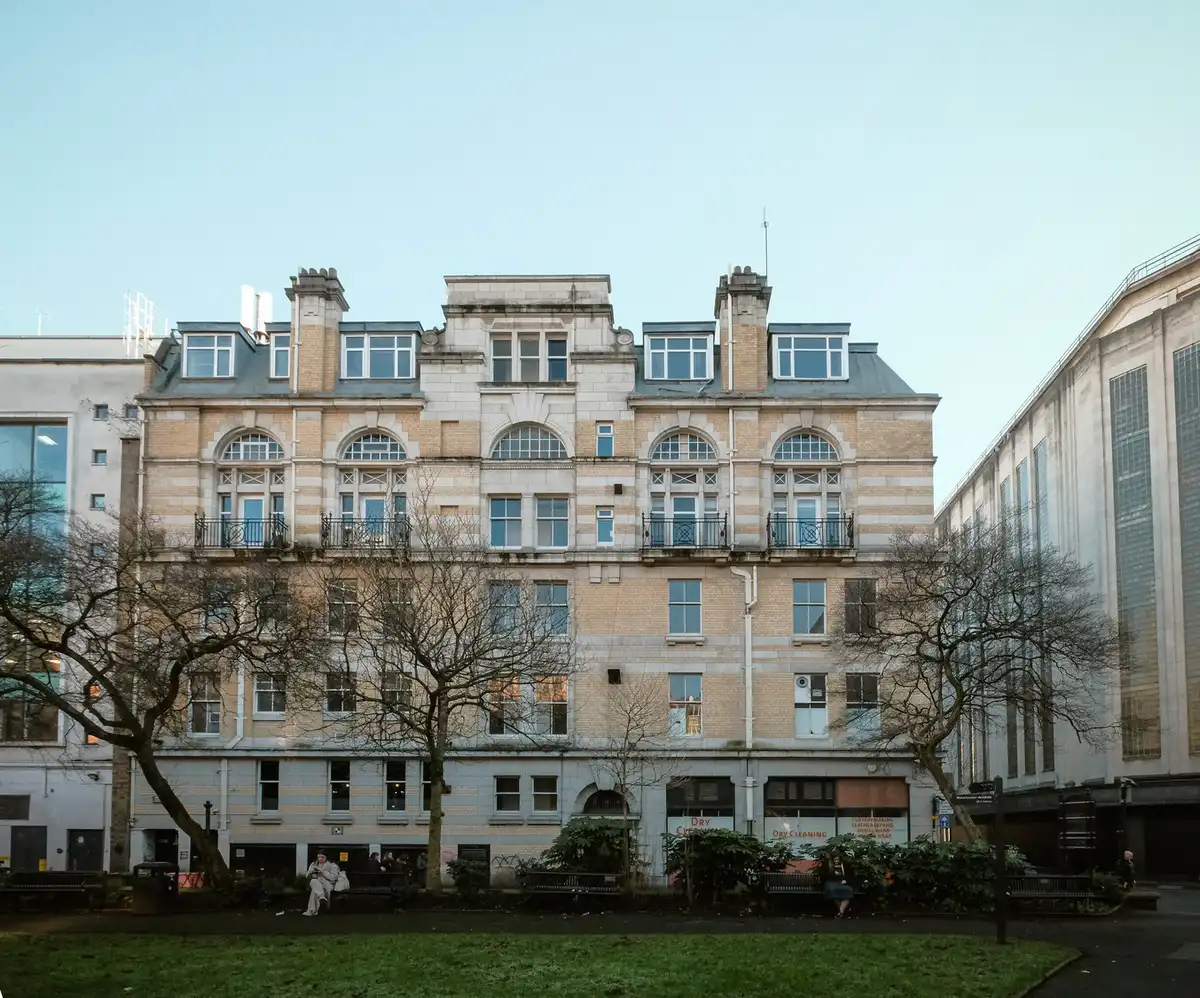
Architectural Regeneration in Manchester takes a new step as planning authorities have approved the second Zedwell hotel project. This structure is centrally located in Manchester. This expansion is part of Criterion Capital’s strategy to grow its portfolio. The goal is to provide affordable, central accommodation in the city. The developers designed this location to follow the development plan for the first Zedwell hotel. That hotel will occupy the Royal Buildings, with 187 rooms near Piccadilly Gardens.
Deansgate: The Visitor’s Experience in Vibrant Manchester
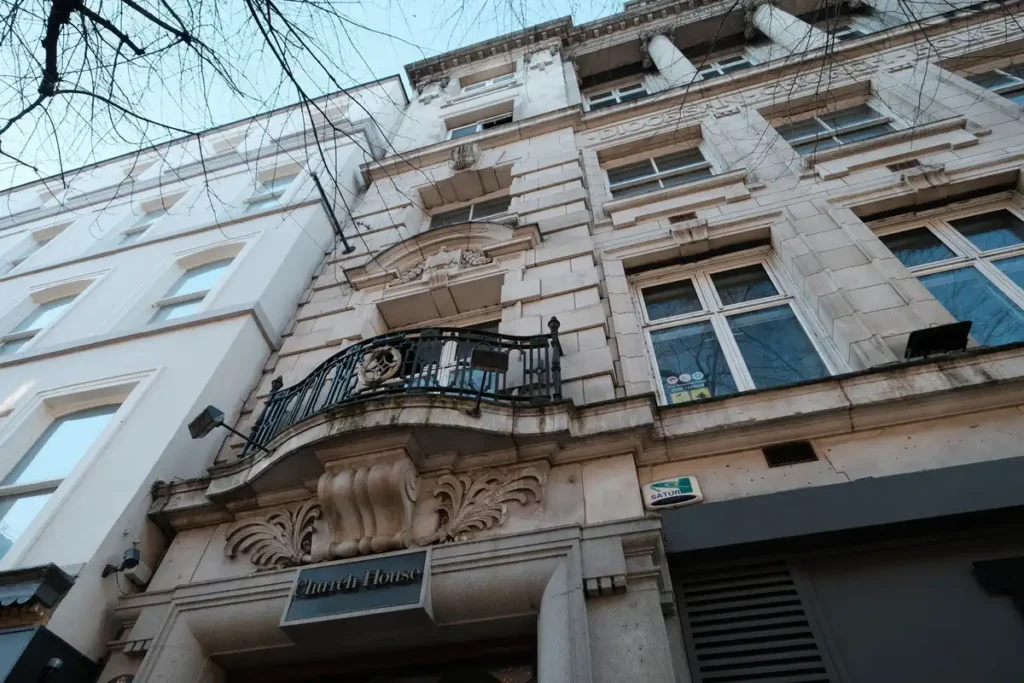
Approaching the corner of Deansgate, the traditional form of Church House stands out. This building is an unlisted heritage asset. It now undergoes a process of Architectural Regeneration in Manchester. The operation aims to breathe new life into the structure. The goal is not demolition but blending the old with the new. This positions the building as a meeting point between city history and the contemporary need for affordable lodging. Shops and cafés on the ground floor will continue operating. This preserves the flow of life and social activity around the building. It ensures the structure remains a vital part of Manchester’s urban scene.
![An ecclesiastical building with modern extensions of red brick and Corten panels, showing harmony between historic and contemporary [buildings] in Architectural Regeneration in Manchester.](https://archup.net/wp-content/uploads/2025/12/3-53.webp)
The Architecture of Movement: The Silent Path to the Basement
Buttress Architects meticulously designed the visitor’s flow. Guests will not find the hotel reception at street level. The developers dedicated this level entirely to commercial activity. Instead, visitors take a side path. This path leads directly to the quiet basement level. The reception desk sits there. This separation of movement is a smart architectural decision. It serves two purposes: preserving street vitality and creating a psychological transition for the guest. The guest moves from the city’s hustle to a quiet sanctuary. After checking in, the journey to the room begins. The Architectural Regeneration in Manchester process enabled this smooth internal route modification.
![A modern residential [building] with red brick façades and vertical partitions, showing sustainable [design] and the integration of pedestrian and cycling paths in Architectural Regeneration in Manchester.](https://archup.net/wp-content/uploads/2025/12/4-51.webp)
157 Pods for Focused Comfort
Inside the 157 rooms, the design concept focuses on minimizing distractions. It prioritizes core comfort. The designers call these rooms pods or “cocoons.” They embody functional accommodation. They design them to be a sanctuary stripped of visual and auditory noise. The room design relies on internal environmental technology. It avoids traditional windows that might introduce external noise.
Key Materials and Technologies Supporting the Design:
- Acoustic Isolation: They use high density walls. Sound insulation exceeds 85% for complete silence.
- Air Purification: Advanced mechanical ventilation systems operate. Air quality filters reach 99.9%
- Ambient Lighting: They rely on warm, low-intensity LED lighting. It consumes 60% less energy than traditional lighting.
- Enhanced Beds: They provide mattresses designed for body support. This improves sleep quality.
- Heritage Components: The construction team preserved approximately 75% of the existing building facades. This forms a core part of the Architectural Regeneration in Manchester.
![A visualization illustrating the integration of historic brick [buildings] with modern high-rise residential structures, reflecting [urban revival] and Architectural Regeneration in Manchester.](https://archup.net/wp-content/uploads/2025/12/5-4.webp)
The Urban Revival Strategy for Manchester
The project is part of a larger Reuse First strategy. This strategy aims to revitalize underutilized buildings through sustainable design. Criterion Hospitality confirmed that Church House embodies their principles. It represents thoughtful reuse and refurbishment. The brand Zedwell expects to reach 9,000 hotel rooms across major European cities. This pipeline is set for completion by 2028. This expansion confirms Manchester’s role as a competitive tourist destination. It highlights the importance of Architectural Regeneration in Manchester for city growth.
Experts view this type of project as essential. It supports the growing interest in the city by offering diverse accommodation. Urban planning now faces the challenge of managing this new density. It must proceed without compromising the historical urban fabric.
✦ ArchUp Editorial Insight
The approval of the second Zedwell hotel in Church House, Manchester, embodies the Reuse First strategy pursued by Criterion Capital in collaboration with Buttress Architects, underscoring the urban potential of unlisted heritage structures in the city centre. Although transforming existing real estate assets into 157 bed hotel spaces serves the objective of affordable lodging, one must evaluate the architectural transparency of this windowless pod concept; while promising serenity, it may raise questions about the quality of internal life and spatial value versus the prime location. The project succeeds in preserving ground-floor commercial activity. It relocates the reception to the basement, positively contributing to the street’s dynamism. The future significance lies in determining if this new density can support the growing tourism infrastructure without compromising the integrity of Manchester’s historical urban landscape.