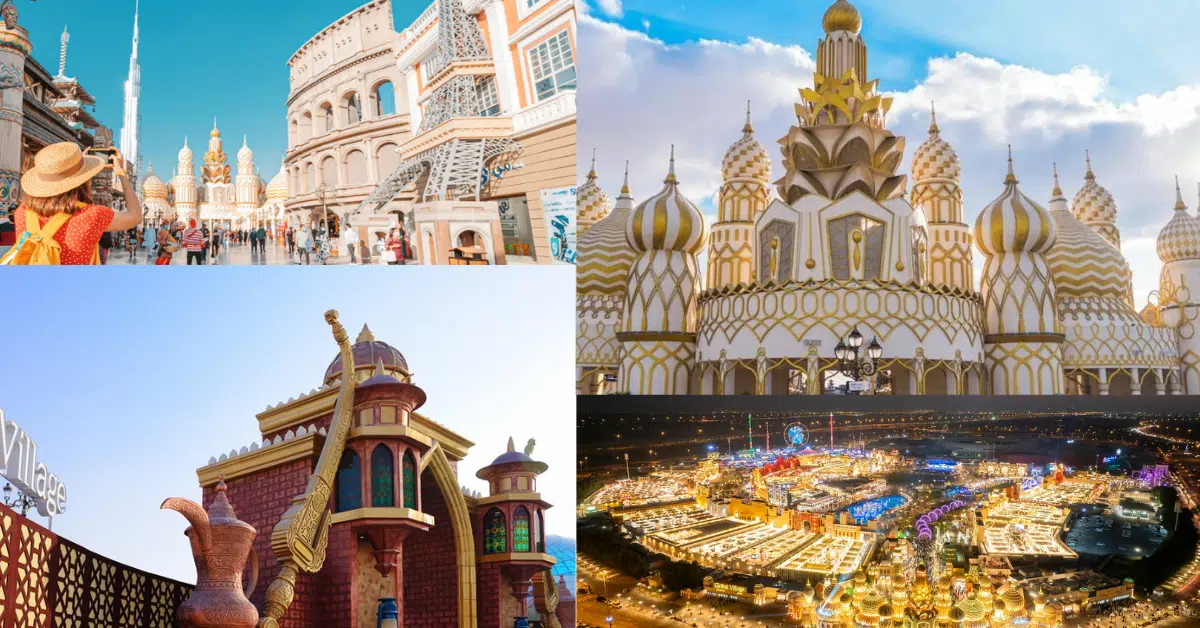
Asian Architectural Design: Diversity, History, and Cultural Influences

Architecture in Asia, characterised by unique Asian Architectural Design, is among the most diverse and historically rich in the world. It reflects centuries of cultural evolution, religious beliefs, and environmental adaptation across a vast continent that includes countries such as India, Japan, and China. Each region has developed its own architectural identity, shaped by geography, climate, tradition, and modernization.
This article explores the main characteristics of architectural styles in three key Asian countries—India, Japan, and China—and how they balance heritage with contemporary design principles, embracing elements of Asian architecture.
Indian Architecture: Tradition Meets Modernity
Indian architecture spans thousands of years and incorporates various influences, including Hindu, Buddhist, Islamic, and colonial styles. One of the most iconic examples of traditional architecture is the Taj Mahal , which showcases intricate craftsmanship and symmetrical design rooted in Mughal traditions, embodying Asian Architectural Design.

In the 20th century, post-independence India embraced modernist architecture. A major example of this shift is the city of Chandigarh , designed by a European architect as part of a planned urban development initiative. The city’s layout and government buildings reflect modernist ideals that integrate Asian architectural elements.
| Landmark | Location | Style |
|---|---|---|
| Taj Mahal | Agra | Mughal |
| Palaces of Jaipur | Rajasthan | Traditional Hindu |
| Capitol Complex – Chandigarh | Punjab | Modernist |
Japanese Architecture: Harmony Between Past and Present
Japanese architecture is known for maintaining a strong connection to nature while embracing modern materials and techniques. Traditional Japanese structures often use wood, sliding doors, and open spaces to create a sense of fluidity between indoors and outdoors, illustrating Asian design principles.

Modern Japanese architecture builds on these principles, incorporating concrete, glass, and steel in ways that emphasize minimalism and spatial efficiency. The result is a unique blend of old and new, where historical temples coexist with high-tech urban developments that stay true to Asian architectural styles.
| Element | Description |
|---|---|
| Materials | Wood, concrete, glass |
| Core Concept | Integration with natural surroundings |
| Influences | Traditional pagodas, global modernism |

Chinese Architecture: From Heritage to High-Tech
China’s architectural landscape has transformed significantly over the past few decades. While ancient palaces and temples remain symbols of cultural continuity, the country has also become a hub for cutting-edge architectural projects that incorporate traditional Asian design elements. This transformation was notably accelerated after hosting the 2008 Beijing Olympics and the 2010 Shanghai World Expo.
The integration of traditional elements into large-scale infrastructure projects and urban centres highlights China’s ability to merge its long-standing Asian architectural heritage with rapid technological advancement.
| Project | Function | Location |
|---|---|---|
| Beijing National Stadium | Sports | Beijing |
| Pudong District | Economic Hub | Shanghai |
| Great Wall | Cultural Monument | Northern China |
Frequently Asked Questions (FAQ)
What are the defining features of Asian architecture?
Asian architecture emphasizes harmony with nature, the use of local materials, and the preservation of cultural identity even within modern designs that follow Asian Architectural Design principles.
How does Indian architecture differ from Japanese architecture?
Indian architecture tends to be more ornate and detailed, reflecting religious and historical symbolism, whereas Japanese architecture prioritizes simplicity, openness, and integration with nature, consistent with Asian Architectural Design.
What role does architecture play in shaping national identity in Asia?
Architecture serves as a visual expression of cultural values and history. Many Asian countries use it to reflect both their heritage and their aspirations for the future through a mix of traditional and modern elements that embody Asian Architectural Design standards.

Summary Table of Key Points
| Country | Main Architectural Characteristic | Distinctive Features |
|---|---|---|
| India | Blend of Islamic and Hindu styles | Decorative details, domes, minarets |
| Japan | Balance between traditional and modern | Use of wood, lighting, open spaces |
| China | Coexistence of heritage and innovation | Walls, courtyards, high-rise developments |
ArchUp Opinion
Asian architectural design offers a compelling reflection of each society’s historical journey and evolving identity. However, there are challenges, such as the pressure to modernise at the expense of preserving historical sites or the tendency to prioritise commercial interests over cultural authenticity.
It is essential for governments and planners to promote sustainable architectural practices that respect historical context while accommodating growth and technological progress, keeping Asian design principles in mind. Clear policies should be put in place to protect cultural landmarks from being overshadowed by rapid urban expansion.
Note: All information presented in this article is based on academic research and publicly available data from official sources such as UNESCO and specialised architecture institutions.