Belgian Pavilion at Venice Biennale 2024: A Living Lab for Sustainable Architecture

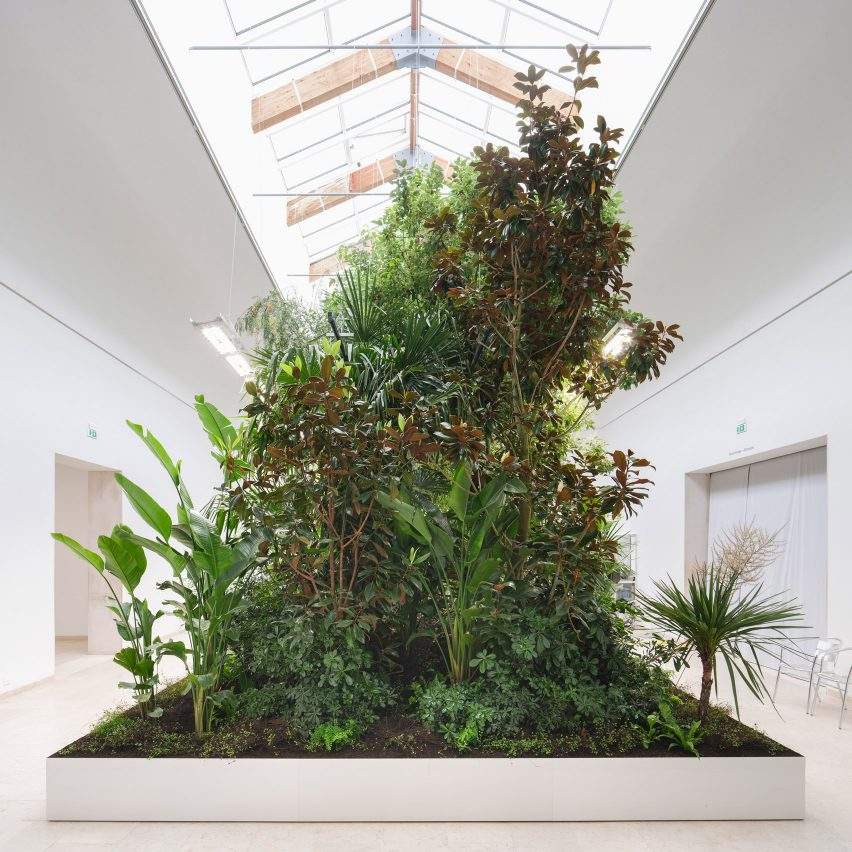
Venice, Italy** – The Belgian Pavilion at the 2024 Venice Architecture Biennale transforms into a “living laboratory,” showcasing how plants can revolutionize architecture beyond aesthetics. Titled “Building Biospheres,” the experimental installation features 200+ live plants that regulate indoor climate, offering a blueprint for eco-conscious design in the face of the climate crisis.
Biophilic Design Meets Science:-
Curated by landscape architect Bas Smets and neurobiologist Stefano Mancuso, the pavilion challenges conventional architecture by positioning plants as active infrastructural agents—not just decorative elements.

Natural Climate Control:-
The central plant-filled space cools the interior, reducing reliance on artificial HVAC systems.
- Real-Time Monitoring: Sensors track plant needs, automating irrigation, lighting, and ventilation for a self-regulating biosphere.
- Cross-Disciplinary Collaboration: Ecophysiologists, engineers, and designers teamed up to rethink architecture’s role in sustaining life.
“Architecture must protect all forms of life—human, plant, and animal,” Smets told Dezeen. “This pavilion proves it’s possible.”
Visitor Experience: A “Corporal” Encounter:-
Upon entering, visitors escape Venice’s heat into a cool, plant-regulated microclimate. The pavilion’s design emphasizes embodied experience:
- Front Rooms: Contextual exhibits on biophilic design.
- Back Room: Live data streams from the plant network.
- Side Rooms: Futuristic concepts by emerging Belgian architects, envisioning “natural intelligence” in urban spaces.

Redefining Architecture’s Boundaries:-
Flanders Architecture Institute director Dennis Pohl explains the pavilion’s mission:
“We created an experimental platform to bridge ecology and architecture. This isn’t just an exhibition—it’s a call to action for dynamic, life-centered design.”
Biennale’s Climate Focus:-
The 2024 Venice Architecture Biennale, curated by Carlo Ratti, spotlights climate resilience and human-centric solutions. The Belgian Pavilion aligns perfectly, joining projects like Denmark’s construction-site-inspired installation in pushing sustainable innovation.

Why This Matters for Future Design:-
- Energy Efficiency: Plants as natural HVAC systems could slash building emissions.
- Biodiversity Integration: Urban spaces may soon prioritize ecosystems over inert structures.
- Collaborative Models: The project proves science and design must unite to tackle climate challenges.