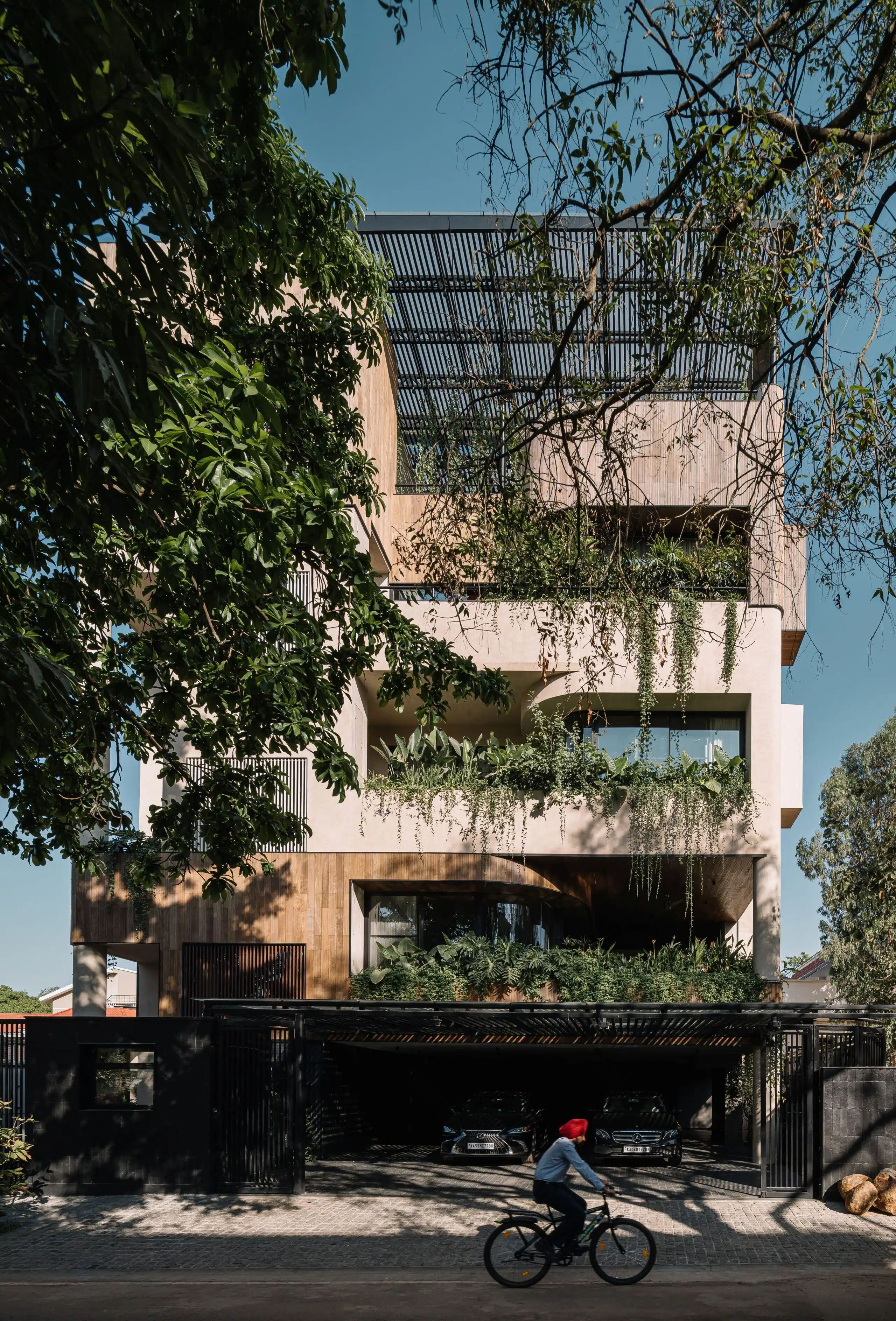
Big Roof: Redefining the Relationship Between Architecture and Its Natural, Seasonal Environment

Innovative Architectural Design: “Big Roof”
“Big Roof” represents a prime example of architectural innovation in public spaces, designed as a large-scale canopy offering a versatile outdoor experience. The project was developed by 1+1+ Architects and HD Structural, emphasizing the integration of functional beauty with the surrounding natural environment.
Integration with the Surroundings
This project stands out for its ability to leverage its location along a canal in the Jefferson Chalmers neighborhood of Detroit, Michigan. The design extends seamlessly into the natural context, creating a holistic sensory experience for visitors.
Flexible Uses and Multi-Purpose Spaces
Beneath the canopy, diverse zones have been created for dining or hosting various events. This versatility allows the space to serve as a social hub and a magnet for visitors, while maintaining a fresh, open architectural character.
Innovation in Design
The project demonstrates the architects’ ability to combine functional beauty with sensory experience. It goes beyond simply creating a canopy, instead fostering an environment that enhances visitor interaction and encourages exploration of the relationship between design and the surrounding natural environment.


Expanding the Outdoor Dining Experience
Coriander Kitchen & Farm is designed to extend the dining area outdoors, enhancing the visitor experience and creating a direct interaction with the surrounding environment. This extension allows guests to enjoy the natural scenery and changing weather, reflecting an architectural concept that sustainably connects users with the space.
The Relationship Between Design and Environment
The Big Roof canopy plays a central role in the project, not only as a prominent architectural feature but also as a bridge connecting the building to its environment. It efficiently collects rainwater to nourish the on-site rain garden, demonstrating the designers’ focus on sustainability and the practical, aesthetic use of natural resources.
Functional and Aesthetic Innovation
By combining open design with environmental functionality, the project exemplifies how infrastructure can be integrated innovatively with the surrounding nature. The large canopy provides a comfortable and distinctive visitor experience while maintaining a low environmental impact and adding aesthetic value to the site.


Innovative Nature-Inspired Roof Design
The undulating flat roof of the Big Roof project reflects the forms of coastal boardwalks, imparting an organic character that harmonizes with the surrounding environment. It is designed to rest lightly on only six steel columns, providing great flexibility beneath for hosting a variety of activities.
Structure and Materials
The framework consists of nine custom-designed triangular trusses made from standard timber, connected using traditional Simpson Strong-Tie joints. This assembly achieves an ideal balance between strength and durability while maintaining the design’s aesthetic and architectural precision.
Integrating Transparency and the Environment
A transparent polycarbonate roof crowns the structure, allowing constant views of the ever-changing sky and creating a sense of openness and connection with nature. This choice highlights the integration between structural engineering and environmental design, making the space more engaging and interactive for visitors.

A Multi-Seasonal Sensory Experience
Big Roof reflects the designers’ focus on creating a sensory experience that changes with the seasons, allowing visitors to enjoy the space in different ways throughout the year.
- Winter: The structure glows like a lantern, illuminating the surrounding landscape and creating a warm, inviting atmosphere in the cold season.
- Spring: The plastic façade is removed, extending the dining area along the canal, enhancing interaction with nature and allowing visitors to observe birds and bees as they engage with the environment beneath the canopy.
Integration Between Design and Nature
This seasonal diversity demonstrates how architectural design can respond to environmental conditions and create a dynamic experience. Big Roof goes beyond simply sheltering visitors; it becomes an active element in interacting with the natural surroundings, enhancing the site’s appeal while adding both environmental and aesthetic value.


Blurring Indoor and Outdoor Spaces
The project embodies an architectural philosophy aimed at dissolving the boundaries between indoors and outdoors. The spaces extend to embrace the unique natural surroundings through a continuous gravel floor that surpasses the traditional building limits. This extension creates a sense of openness and allows visitors to interact with the environment more freely.
Flexible Design and Site Exploration
The use of pilotis and a removable façade creates an open floor plan, providing significant flexibility in the building’s use. This design also enables exploration of the relationship between architecture and site as a literal extension of the built form, emphasizing the integration between humans, the space, and nature.

✦ ArchUp Editorial Insight
It can be said that the Big Roof project offers a multi-dimensional architectural experience, demonstrating a notable focus on integrating with the surrounding environment while providing flexible, multi-use spaces. The design facilitates visitor interaction with nature through seasonal expansions of dining areas, the use of a continuous gravel floor, and pilotis, reflecting an architectural approach that seamlessly connects interior and exterior spaces. Additionally, the use of materials such as timber and polycarbonate, along with the triangular structural system, provides an example of combining traditional and contemporary construction techniques in a relatively sustainable manner.
However, certain considerations regarding practical functionality and future flexibility are worth noting. For instance, reliance on a transparent roof and a lightweight structure may impose limitations under severe weather conditions or require regular maintenance. Seasonal expansion of the dining areas might also restrict control over space usage during specific times of the year, necessitating careful operational management to ensure sustainability. From a design perspective, the project could face challenges in adapting to significant changes in use or unexpected events, which should be taken into account when considering similar ideas for other sites.
On the other hand, Big Roof provides a model for leveraging open spaces and natural surroundings in future urban projects. This approach can serve as a reference for enhancing user experiences in public buildings, restaurants, and recreational areas, focusing on the integration of nature and architectural structures in a dynamic and sustainable way. The project also highlights the importance of considering the relationship between design and seasonal environmental conditions, a lesson that can be applied to other projects, especially those aiming to create a fully immersive visitor experience while maintaining environmental balance.
information about the project
- Area: 800 ft²
- Year: 2022
- Photographs: Laura Marie Peterson, De Peter Yi