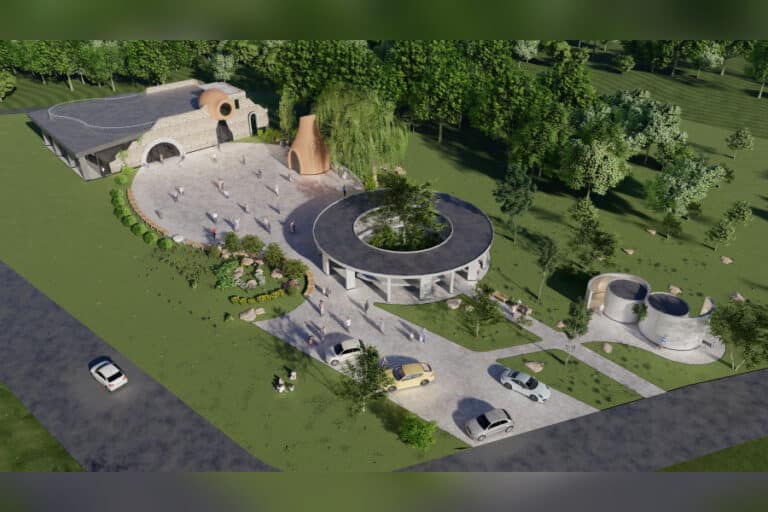
Bradford City Village: Approval Granted for 1,000-Home Urban Regeneration Project

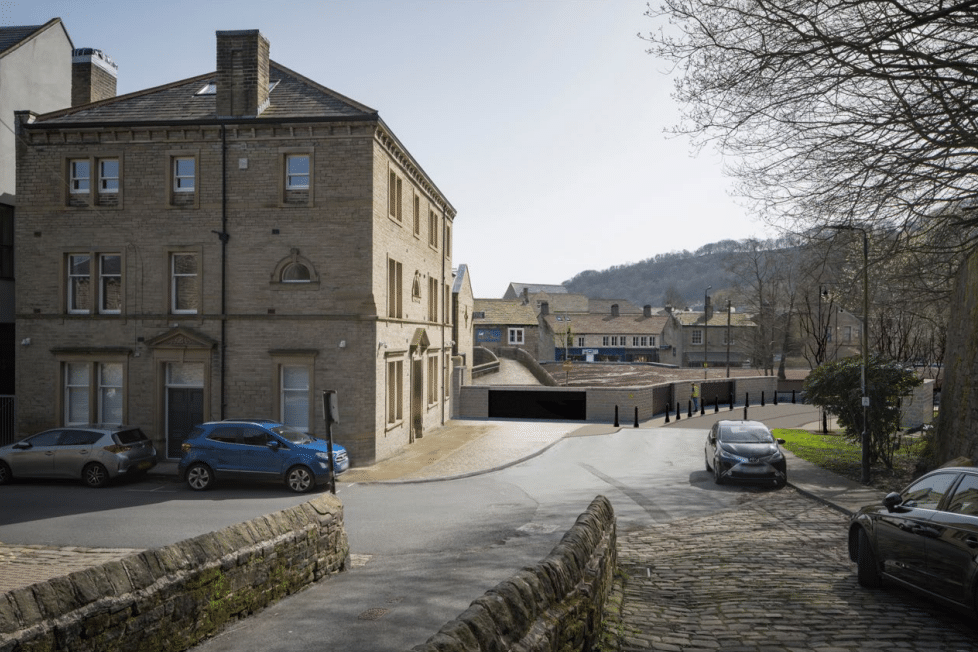
Bradford City Village has secured approval for its first phase in the heart of Bradford, England. This major urban planning initiative will deliver approximately 1,000 homes across multiple sites. The project targets former shopping centre locations in the “Top of Town” district, marking a bold shift from retail to residential use.
Phase One: 97 Townhouses Across Two Sites
The first phase includes 97 townhouses split between two key locations. One site along Chain Street will feature 33 homes arranged around a new community garden. Meanwhile, the northern site will accommodate 64 townhouses with courtyards and green spaces. All homes will offer two to three bedrooms and dedicated parking.
Construction is set to begin in summer 2026. The build timeline spans 24 months. A housing association will manage delivery for both sale and rental markets. Therefore, the Bradford City Village project aims to serve diverse housing needs from the outset.

The Broader Masterplan
Beyond phase one, the full Bradford City Village masterplan covers over 700 apartments. These will rise on two additional former retail sites. Moreover, the scheme integrates commercial and leisure spaces alongside three new community gardens.
Demolition of one former shopping centre will begin soon and take approximately seven months. Additionally, a second centre will come down by late 2026. Consequently, these clearances will open significant development land in the city centre.
Funding and Timeline
The project has attracted substantial public investment. Approximately £13.1 million comes from regional authorities. A further £30 million arrives from a national housing body. This combined funding underscores the strategic importance of Bradford City Village as an infrastructure priority.
The architectural design emphasizes community-oriented living within a walkable urban fabric. Landscape design features prominently, with courtyards, gardens, and green corridors woven throughout the masterplan.
A New Chapter for Bradford
This news signals a transformative moment for Bradford. The city centre has long struggled with vacant retail structures. However, the Bradford City Village project reimagines these sites as vibrant residential neighbourhoods. The approach aligns with broader sustainability goals by reusing brownfield land rather than expanding into greenfield areas.
Could this model of converting declining retail zones into mixed-use residential communities reshape other British city centres facing similar challenges?
A Quick Architectural Snapshot
Bradford City Village spans multiple former shopping centre sites in central Bradford, England. Phase one delivers 97 townhouses with two to three bedrooms, community gardens, courtyards, and dedicated parking. The full masterplan exceeds 1,000 homes, including over 700 apartments, commercial spaces, and three public gardens across interconnected urban plots.
✦ ArchUp Editorial Insight
A city centre saturated with vacant retail sheds does not produce a housing project by architectural ambition. It produces one by economic exhaustion. The sequence here is legible: retail capital flight, followed by land value collapse, followed by public subsidy injection, followed by residential conversion. The 97-townhouse first phase reflects a procurement logic optimized for deliverability and risk containment, not spatial innovation. Two-to-three bedroom units with dedicated parking embedded in a city centre signal a persistent car-dependency assumption, even within a walkable urban framework. The 24-month build timeline and phased demolition schedule reveal approval and financing structures that reward speed and sequential certainty over integrated placemaking. The repeated community garden motif across three separate phases functions as a legibility device for planning consent rather than a tested social infrastructure model. This outcome is the logical product of brownfield subsidy mechanics, housing targets, and institutional risk distribution across public bodies.