Branded Residential Gurgaon 2026 Subsumes Architecture into Brand Logic

Branded residential development in Gurgaon treats architecture as a brand tool, not decoration.
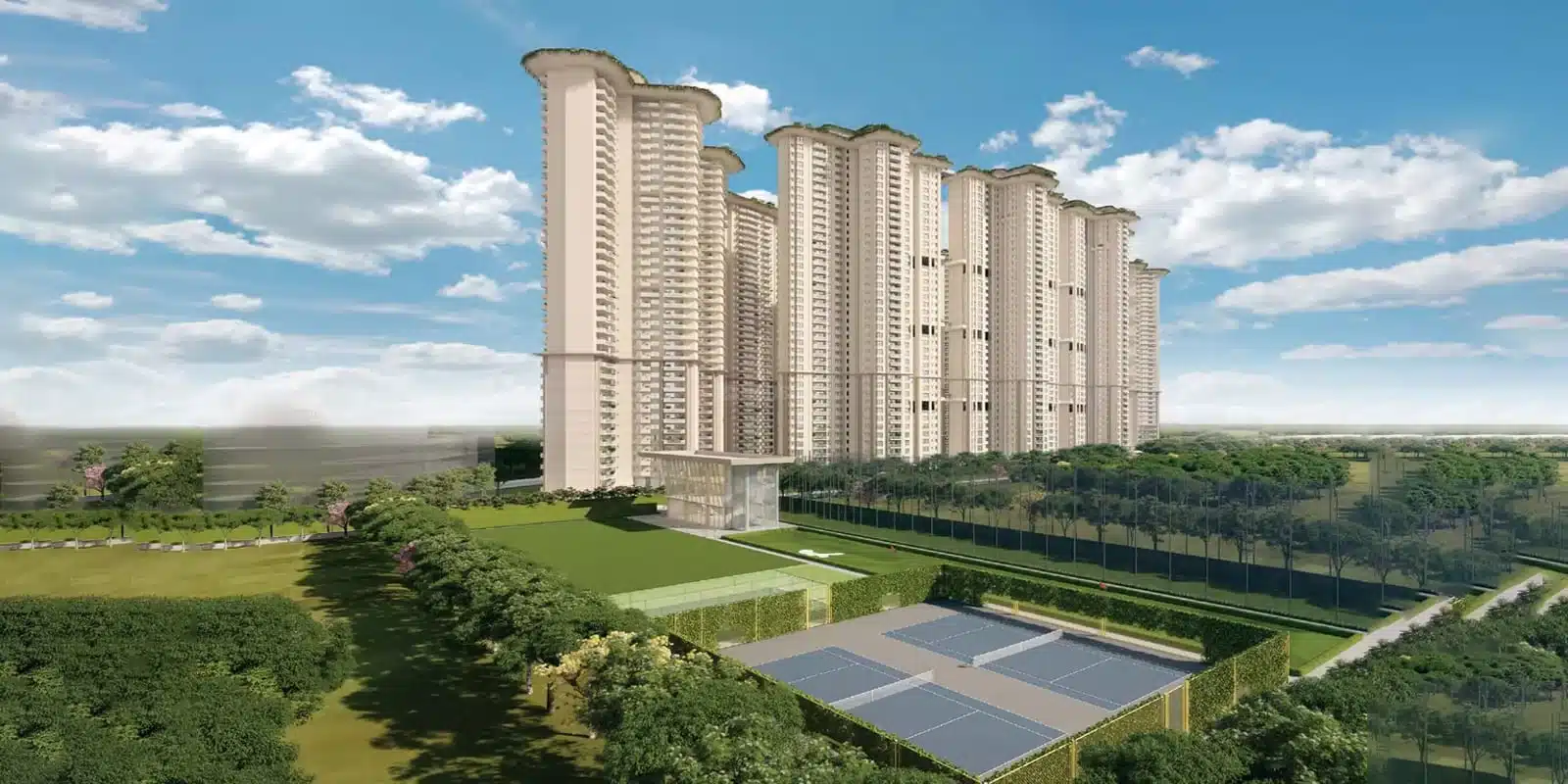
The project sits in Sector 53 on Golf Course Road.
It integrates form, orientation, and layout into a single commercial strategy.

Site and Urban Context
The two acre plot lies in a fast growing residential zone.
It connects directly to major roads.
This reflects how infrastructure shapes housing value in northern India’s cities.
Towers respond to markets, not just space needs.

Architectural Composition and Massing
The tower holds 96 units only three and four-bedroom layouts.
It uses a smooth, curved mass.
It avoids standard concrete modules.
This positions the project within debates on buildings as identity markers.
Climatic Orientation and Environmental Performance
Designers aligned the tower north south.
They used solar and wind data.
This cut heat gain and cooling loads.
The team now pursues LEED certification, aligning with sustainability benchmarks.

Interior Design as Brand Continuity
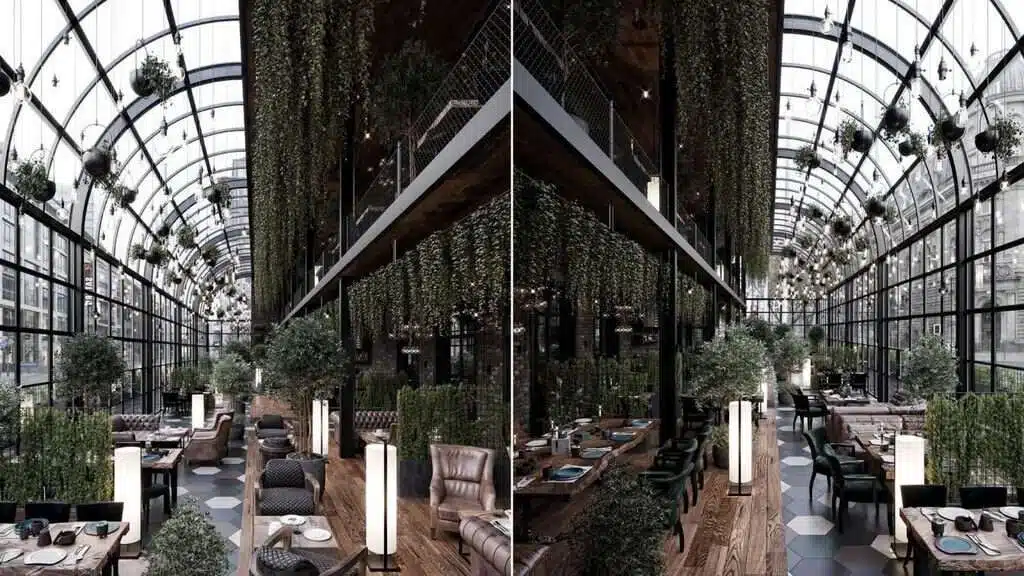
Interiors include apartments, a clubhouse, and gardens.
All follow one visual language.
Designers extended the facade logic indoors.
This turns interior design into a branding instrument.
Architecture now answers what value it creates not how to build.
Economic Context of Branded Housing
India ranks sixth globally in branded residential output.
Demand in Gurgaon, Mumbai, and Bengaluru drives growth.
The sector may expand 60% by 2027.
This ties to shifts in construction and marketing.
Teams selected materials for strategic clarity.
Facades link to identity goals.
They reflect principles of building materials in branded schemes.
The project appears in the global archive of branded residential cases.
The architecture platform analyzes its market form synthesis.
Editorial research cites it as proof of architecture’s economic realignment.
Branded residential has become an urban value framework, not just a marketing label.
Architectural Snapshot
The Gurgaon project shows how South Asian housing now embeds design in branded residential systems shifting from space delivery to urban value structuring.

✦ ArchUp Editorial Insight
The article presents Gurgaon’s branded residential project as architecture shaped by market logic.
It accurately records form, orientation, and branding but sidesteps critical questions about equity or urban exclusion.
The tone leans toward investor briefing, not architectural critique.
Still, its documentation of climate response and design continuity holds archival value.
In ten years, such projects may symbolize not innovation but architecture’s quiet absorption into brand strategy.