Cape Dutch Architecture A Cultural and Architectural Fusion in South Africa

Introduction
Cape Dutch architecture is more than just an aesthetic expression—it’s a reflection of a rich cultural crossroads that emerged during South Africa’s colonial period. Originating in the 17th and 18th centuries in the Dutch-established Cape Colony, this architectural style became a prominent symbol of power, status, and identity. These buildings weren’t simply homes—they were declarations carved in stone and plaster.

Defining Features and Aesthetic Appeal
Cape Dutch architecture strikes a balance between rustic charm and refined detail. Whitewashed walls, steep thatched or tiled roofs, and distinctive front-facing gables (often curved or ornamented with fine detailing) define this style. It draws clear influence from European Baroque and Classical architecture, yet feels firmly rooted in the African landscape—an elegant contrast between imported form and local adaptation.
Table: Key Elements of Cape Dutch Architecture
| Feature | Description |
|---|---|
| Materials | Plaster, clay, thatch, locally made brick |
| Facade | Curved gables with balanced, symmetrical design |
| Influences | Dutch, French Huguenot, with touches of Indonesian style |
| Use Cases | Farmhouses, homes, churches, public buildings |
Cultural Identity and Colonial Power
Behind the visual elegance lies a deeper historical reality. Cape Dutch buildings were often used by colonial settlers to reinforce their control and assert social dominance. The large, beautifully crafted farmsteads served not only agricultural functions but also symbolized wealth, hierarchy, and European cultural superiority over native communities and enslaved populations.

From Colonial Symbol to National Heritage
Over time, the perception of Cape Dutch architecture has evolved. While it began as a symbol of European colonialism, it has since become part of South Africa’s architectural heritage. Many of these buildings remain standing, carefully restored and repurposed as museums, guest houses, or cultural landmarks protected by law.
Table: How Cape Dutch Buildings Have Evolved Over Time
| Period | Original Use | Modern Use |
|---|---|---|
| 18th Century | Private homes, farms | Museums, cultural centers |
| 19th Century | Government buildings | Boutique hotels, tourist sites |
| Today | Residences for the elite | Legally protected heritage sites |
A Hybrid Identity: Imported or Indigenous?
While its origins are undeniably European, Cape Dutch architecture didn’t remain frozen in its foreign identity. It adapted to local materials, responded to South African climates, and integrated aspects of the diverse cultures surrounding it. Today, it stands as a hybrid form—part colonial import, part local evolution—testifying to the layered nature of South Africa’s built environment.

Conclusion
Cape Dutch architecture tells a story far deeper than plaster and gables. It captures a chapter of South Africa’s history shaped by migration, power, adaptation, and eventually, integration. What was once a tool of dominance is now seen as a chapter in the country’s architectural identity—blending the past with a more inclusive present.
✦ ArchUp Editorial Insight
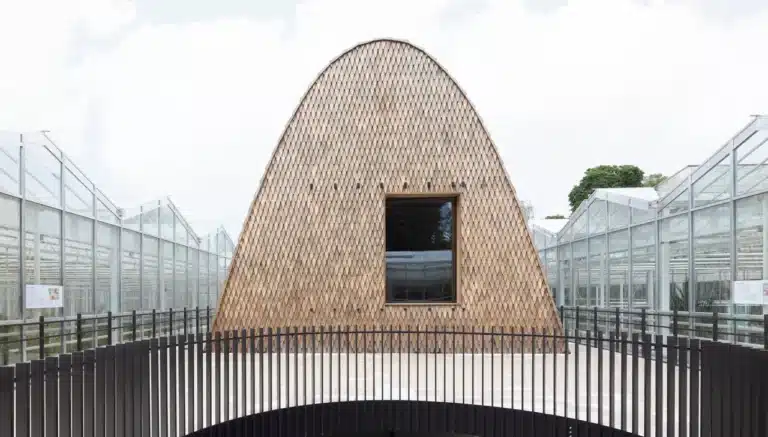
This article explores Cape Dutch architecture as a hybrid expression of colonial power and local adaptation. The visuals highlight whitewashed facades, ornate gables, and rhythmic rooflines that echo both European elegance and rural pragmatism. However, while the architectural vocabulary is distinctive, the article overlooks deeper analysis of spatial usage and cultural transitions across time. How do these preserved structures speak to post-colonial identity in modern South Africa? Still, its attention to material expression and historical layering offers valuable insight into how design can evolve through context and memory.
Explore the Latest Architecture Exhibitions & Conferences
ArchUp offers daily updates on top global architectural exhibitions, design conferences, and professional art and design forums.
Follow key architecture competitions, check official results, and stay informed through the latest architectural news worldwide.
ArchUp is your encyclopedic hub for discovering events and design-driven opportunities across the globe.