Circular Building Engineering: The Netherlands Pavilion at Expo 2025 Osaka

At the 2025 World Expo in Osaka, the Netherlands Pavilion showcases a bold example of circular building engineering. This project goes beyond traditional architecture. It combines sustainability, modularity, and smart use of resources. Circular building engineering not only supports environmental goals but also ensures functionality and inspiration.
A Vision Rooted in Sustainability
RAU Architects led the design in collaboration with DGMR, Tellart, and Asanuma Corporation. Together, they created a building that tells a clear story: construction can be temporary yet valuable. Unlike many pavilions, circular building engineering allows this one to be dismantled, reused, and moved.
Not only is the structure modular, but it also avoids waste through smart connections and detailed material tracking. In other words, the pavilion becomes a model for a future without construction waste.
Structure and Engineering: Solid Yet Flexible
Easy to Disassemble
- The pavilion includes 1,620 tons of steel, meeting strict Japanese safety codes for earthquakes and typhoons.
- Every component is connected with visible screws and bolts. Consequently, the entire building can be taken apart and rebuilt.
- This system offers clear benefits: flexibility, adaptability, and less long-term waste.
Transparent Materials
- The team used Madaster material passports, giving each part of the building a digital ID.
- Thanks to these passports, builders can track what materials are used, where they came from, and how they can be reused.
- As a result, circular building engineering makes the building part of a smart, circular resource system.


Circular vs. Traditional Construction
| Feature | Circular Building | Traditional Construction |
|---|---|---|
| Assembly | Screws and bolts | Welding and glue |
| End of Life | Reuse and relocation | Demolition and disposal |
| Environmental Impact | Low | High |
| Adaptability | High | Very limited |
Clearly, circular buildings offer long-term benefits for both the planet and the people who use them through circular building engineering.
Drawing Inspiration from Japanese History
Interestingly, the pavilion’s philosophy connects with Japan’s Edo period (1603–1868). Back then, the economy relied on reuse and careful resource management. Known as the Edonomy, this approach avoided waste by recycling everything—from paper to fabrics to metals.
The Netherlands Pavilion reinterprets this mindset using today’s tools. For example, it combines traditional values with digital passports and modern energy systems. In doing so, it shows that the past and future can work together.
Renewable Energy and Interactive Design
Another striking element is the Sun of the Future—a 10.6-meter-wide sphere inspired by Japanese artist Tarō Okamoto. Suspended between the pavilion’s two wings, the sphere connects inside and outside views. As a symbol, it represents renewable energy and global unity.
In addition, the pavilion operates fully on renewable sources. Natural lighting and ventilation reduce energy needs, while visitor-held “Orbs” let guests interact with the building in real-time.

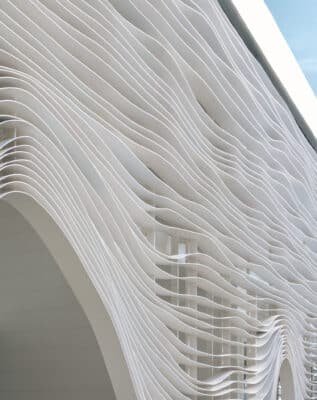

Why This Pavilion Matters
The pavilion isn’t just a display; it’s a living lab. Visitors don’t just see sustainability—they become part of it. Every detail, from the materials to the layout, encourages deeper thinking about how we build.
Moreover, the structure responds to global questions:
- Can buildings reduce their environmental impact?
- Can architecture support flexibility instead of permanence?
- Can modular design become standard, not the exception?
The answers, as this pavilion shows, are all positive.
Takeaways for Professionals
For architects, engineers, and builders, the Netherlands Pavilion provides real lessons:
- Use modular systems for flexible design.
- Track materials from start to finish.
- Combine biobased strategies with smart engineering.
- Engage users through interaction, not just form.
Conclusion: A New Standard for Sustainable Construction
The Netherlands Pavilion stands as a blueprint for a smarter, more responsible future in architecture. It proves that circular building engineering is not just theory—it works, even under strict safety rules and tight timelines.
With projects like this, circular building engineering shows that the construction industry is clearly shifting. What once relied on single-use structures now embraces reusable systems. Instead of contributing to environmental harm, buildings can promote environmental care. And rather than relying on passive design, architects are crafting active, engaging experiences.
In short, the Netherlands Pavilion offers a roadmap for what’s possible—when we design with intention, responsibility, and a clear vision for the future.
ArchUp is your platform to follow everything “architectural“: news, analyses, and designs straight from the heart of the modern architectural movement.