unEarthed / Second Nature / PolliNATION Project: Integrating Sustainable Bio-Based Materials and Interspecies Design to Enhance Ecosystems

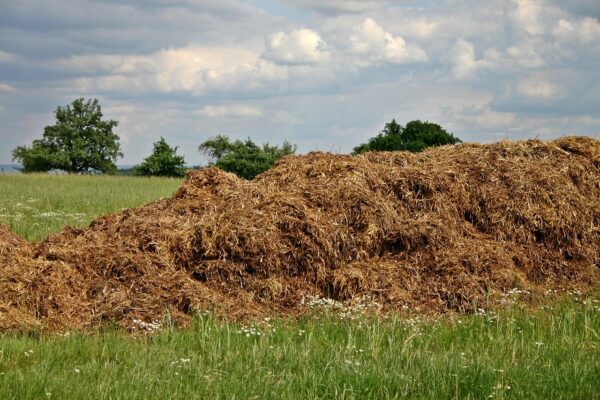
The unEarthed / Second Nature / PolliNATION project premiered at the 2025 Venice Biennale in Italy. It combines architectural experimentation, ecological thinking, and advanced materials research, including the innovative use of sustainable and eco-friendly building materials. Architect Enric Ruiz Geli and academic Anne-Lise Velez led the initiative, emphasizing how material-driven design supports ecosystem regeneration using eco-friendly building materials. The project shows that architecture can serve not only humans but also other species, especially pollinators, by creating environments that nurture biodiversity through deliberate material and spatial strategies.
Technology and Innovation
Barcelona’s Cloud 9 studio, known for integrating digital design and environmental innovation, developed temporary structures that adapt to climate conditions using sustainable bio-based materials. A key focus is using eco-friendly building materials to construct structures that rely on flexibility, modularity, and biodegradable or digitally fabricated materials to minimise environmental impact. Some designs resist coastal erosion, while others use natural ventilation and passive cooling to reduce mechanical energy needs.
Key Features of Sustainable Bio-Based Materials Used in the Project
| Feature | Description | Benefit |
|---|---|---|
| Biodegradability | Materials naturally break down over time | Reduces waste and environmental load |
| Digital Fabrication Capability | Can be manufactured with digital tools | Allows precision and customisation |
| Climate Responsiveness | Materials and design adapt to local climate | Enhances durability and comfort |
| Pollinator Support | Materials and structures create habitats for pollinators | Boosts local biodiversity |
Practical Applications and Academic Research
At Virginia Tech Honors College, students and faculty applied systems thinking to tackle both environmental and social issues. One project involved robotic systems that help manage mixed-use agricultural lands, aiming to boost biodiversity while reducing manual labour. The use of eco-friendly building materials was crucial in another project that focused on modular sleep capsules designed for space missions, emphasising mental health and temperature control. Additional research addressed inclusive air travel by creating adaptive seating for people with disabilities, alongside educational spaces tailored for incarcerated learners—balancing functionality with learning goals.
Summary of Academic Research Applications
| Application Area | Description | Impact |
|---|---|---|
| Silvopasture Management | Robotic systems to monitor and manage mixed agriculture | Increases biodiversity, reduces labour |
| Space Travel Habitats | Modular sleep capsules focused on mental health and thermal control | Supports astronaut wellbeing |
| Inclusive Transport | Aircraft seating adapted for wheelchair users | Enhances accessibility and viability |
| Educational Infrastructure | Learning environments for incarcerated individuals | Improves access to education |
Challenges and Opportunities
Using sustainable bio-based materials presents challenges such as cost, scalability, and building regulations. Although these materials biodegrade, they require improvements to withstand harsh environments and daily use. Nevertheless, the eco-friendly building materials project opens new opportunities for cross-disciplinary collaboration to develop innovative, effective solutions.
Challenges vs Opportunities
| Challenges | Opportunities |
|---|---|
| Higher cost compared to conventional materials | Innovation drives new material technologies |
| Limited durability in harsh conditions | Supports circular economy and waste reduction |
| Regulatory hurdles for new materials | Encourages interdisciplinary collaboration |
| Scaling production and supply | Advances in digital fabrication enhance scalability |
Environmental Impact and Future Vision
The project emphasises regenerative thinking, aiming not only to reduce harm but also to repair ecosystems. By integrating sustainable bio-based materials and pollinator-friendly designs, it supports biodiversity and habitat restoration. The role of architecture is redefined as an active partner in sustaining life through eco-friendly building materials.
Conclusion
The unEarthed / Second Nature / PolliNATION project proves that sustainable bio-based materials can transform architecture from mere construction into a powerful tool for ecological balance. It offers an inspiring model that blends technology, design, and ecology for a regenerative architectural future benefiting both humans and nature.
ArchUp is your platform to follow everything “architectural“: news, analyses, and designs straight from the heart of the modern architectural movement.