

The New Makers: Small Projects with Big Ideas

The Evolution of the Maker Movement: From Craftsmanship to Advanced Technology
The maker movement has evolved remarkably, becoming a comprehensive system that blends creativity and engineering simultaneously. Over time, it has grown beyond just hobbyists to attract professionals and enthusiasts eager to explore new ways of creating things with real value.
From Simple Activities to Complex Technical Projects
In the past, DIY projects were mostly associated with simple craft activities. Today, however, these projects have surpassed traditional craftsmanship limits and moved toward technical challenges that can reach a complexity rivaling ready-made commercial products. Nonetheless, the common thread remains the joy of personal achievement and the full ownership of the idea and its execution.
A Meeting Point Between Technology and Creativity
On the other hand, these projects now serve as a bridge between available technology, the ability to solve problems innovatively, and achieving tangible practical functions. Thus, it can be said that these combined elements form the core of the modern maker culture.
Contemporary Examples: Smart Solutions and Small Ideas with Big Impact
For example, projects range from solar energy solutions inspired by space exploration technologies to miniature portable gaming systems small enough to fit inside tiny mint tins. Thanks to miniaturized components and open-source platforms, it has become possible to implement advanced engineering ideas with relatively simple resources.
Expanding Horizons and Continuous Learning
In conclusion, these projects represent genuine opportunities to acquire new skills, where anyone wishing to embark on this journey finds unique challenges and rewards. It is not merely a hobby but an open space for developing practical and creative thinking together.
1- Home Solar Generator Project
Using Space-Inspired Technology
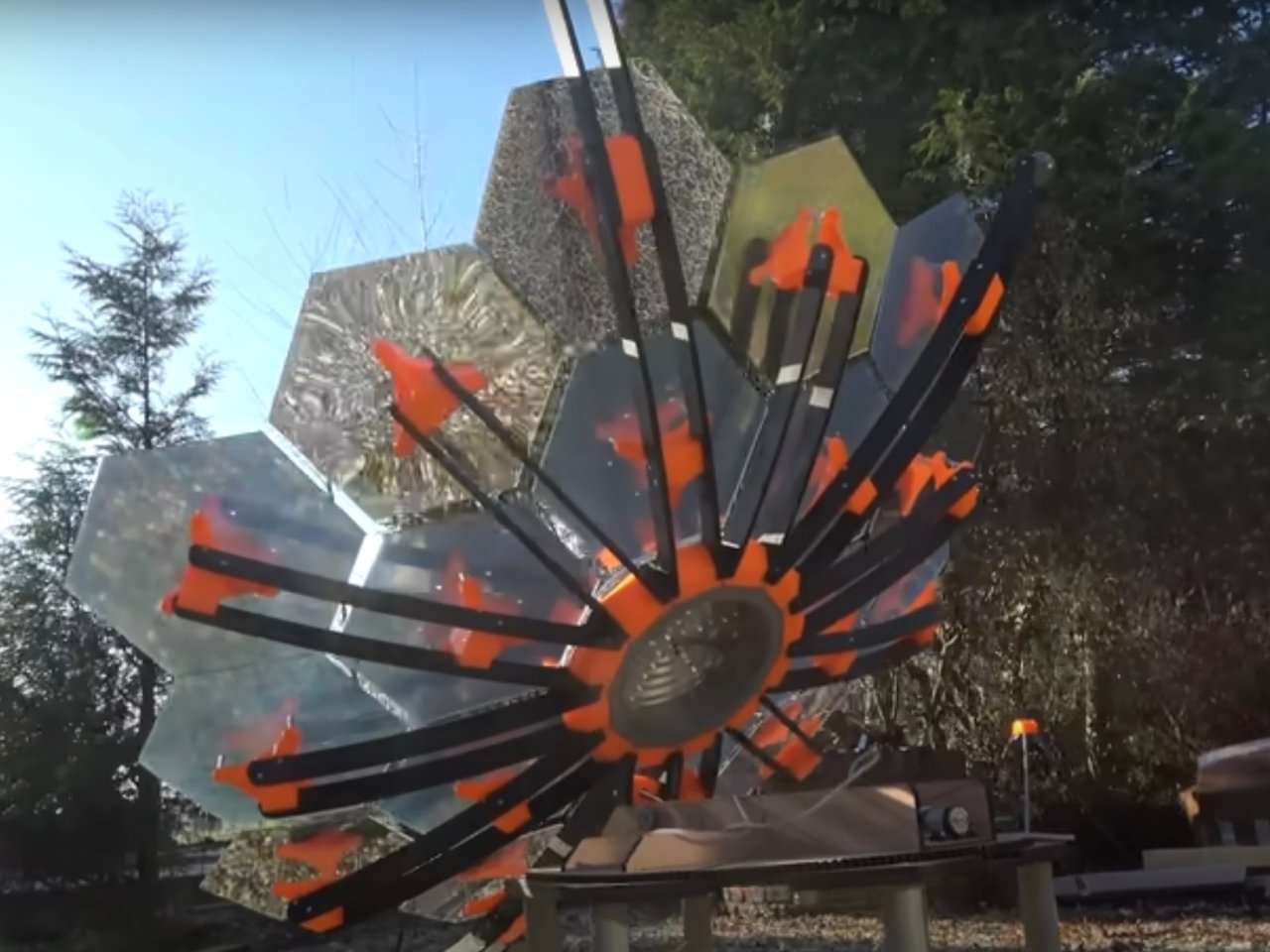
In the pursuit of practical and sustainable energy alternatives, the home solar generator project stands out as an innovation benefiting from technologies inspired by space research. By combining modern engineering principles with the idea of harnessing clean energy, this project provides a practical example that brings scientific concepts closer to everyday use.
Focusing Sunlight for Maximum Efficiency
This system relies on the concept of concentrating sunlight using 18 precisely aimed mirrors directed towards a collector panel coated in black. This simple design technique achieves high efficiency in producing thermal energy, mimicking concentration methods used in some space projects.
Sun Tracking Mechanism
To increase the efficiency of sunlight utilization, the generator includes a special alignment tool and a basic tracking system that automatically repositions the mirrors to follow the sun’s movement throughout the day. This way, the energy source remains ideally positioned to receive the maximum solar radiation.
Practical Experiment and Measurable Results
When implemented practically, this generator was able to heat 20 liters of water from 22.6°C to 44.2°C in approximately half an hour. This achievement provides a clear indicator of its capability to produce about 924 watts of power, demonstrating the realistic potential of concentrated solar energy.
Interdisciplinary Integration: Design and Performance
It is worth noting that the success of this type of project depends on integrating multiple engineering disciplines, such as mechanical design, thermodynamics, and some basic automation principles. This interdisciplinary blend enhances the educational value of the project and transforms it from a mere idea into a useful practical application.
| What We Like | What We Don’t Like |
| Teaches valuable principles of solar energy concentration and conversion to thermal energy. Produces measurable energy that can be used for practical applications. | Structural stability issues require ongoing improvements and the use of stronger materials. Performance depends on weather conditions, limiting stable operation and testing opportunities. |
2- Desktop Pomodoro Robot
Innovative Time Management
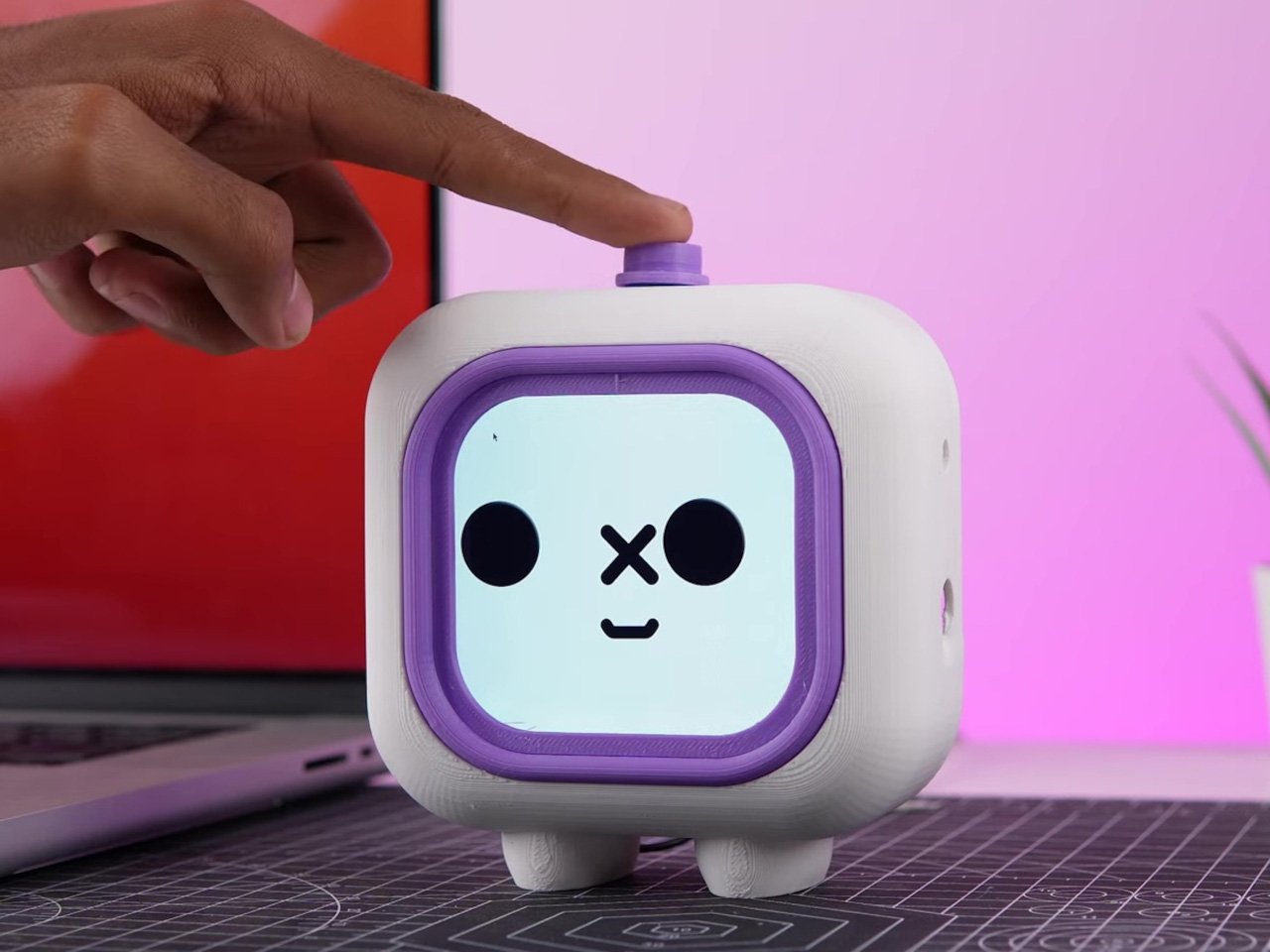
The Desktop Pomodoro Robot project represents a simple yet effective idea for organizing work time. It combines technology with creative design to transform the traditional timer concept into a tangible tool that adds practical value and a unique spirit to the office environment.
Project Components: Integrating Electronics with Design
This robot relies on a single-board Raspberry Pi computer as the system’s core, integrated with a small display and sensors to measure air quality and ambient light. All these elements are housed within a 3D-printed enclosure, providing an attractive visual appearance that is relatively easy to assemble.
How Does the Robot Work?
The robot operates according to the well-known Pomodoro technique, dividing work into 25-minute intervals followed by short breaks. To activate the robot, simply press a small button located on its head, and the countdown begins automatically, helping the user organize their time clearly.
Open Possibilities for Expansion
The most important feature of this project lies in its flexibility and expandability. Beyond serving as a smart timer, additional functions can be added related to monitoring air quality or lighting, or even automating simple office tasks. This capability makes the robot an enjoyable educational experience that combines programming, sensor integration, and 3D design art.
Between Learning and Practical Experience
Thus, the Pomodoro Robot offers an ideal opportunity to practically experiment with single-board computer technologies, allowing its builder to gain multiple experiences in electronics and programming, enhancing the understanding of the relationship between design and functionality.
| What We Like | What We Don’t Like |
| Combines multiple skills such as 3D printing, basic electronics, and programming. Highly customizable platform that can be expanded by adding sensors and extra features. | Requires soldering skills that may intimidate beginners in electronics projects. Its practical usefulness is limited outside its role as an innovative productivity timer. |
3- Cyberdeck 1.1.0
When Sci-Fi Meets Practical Design
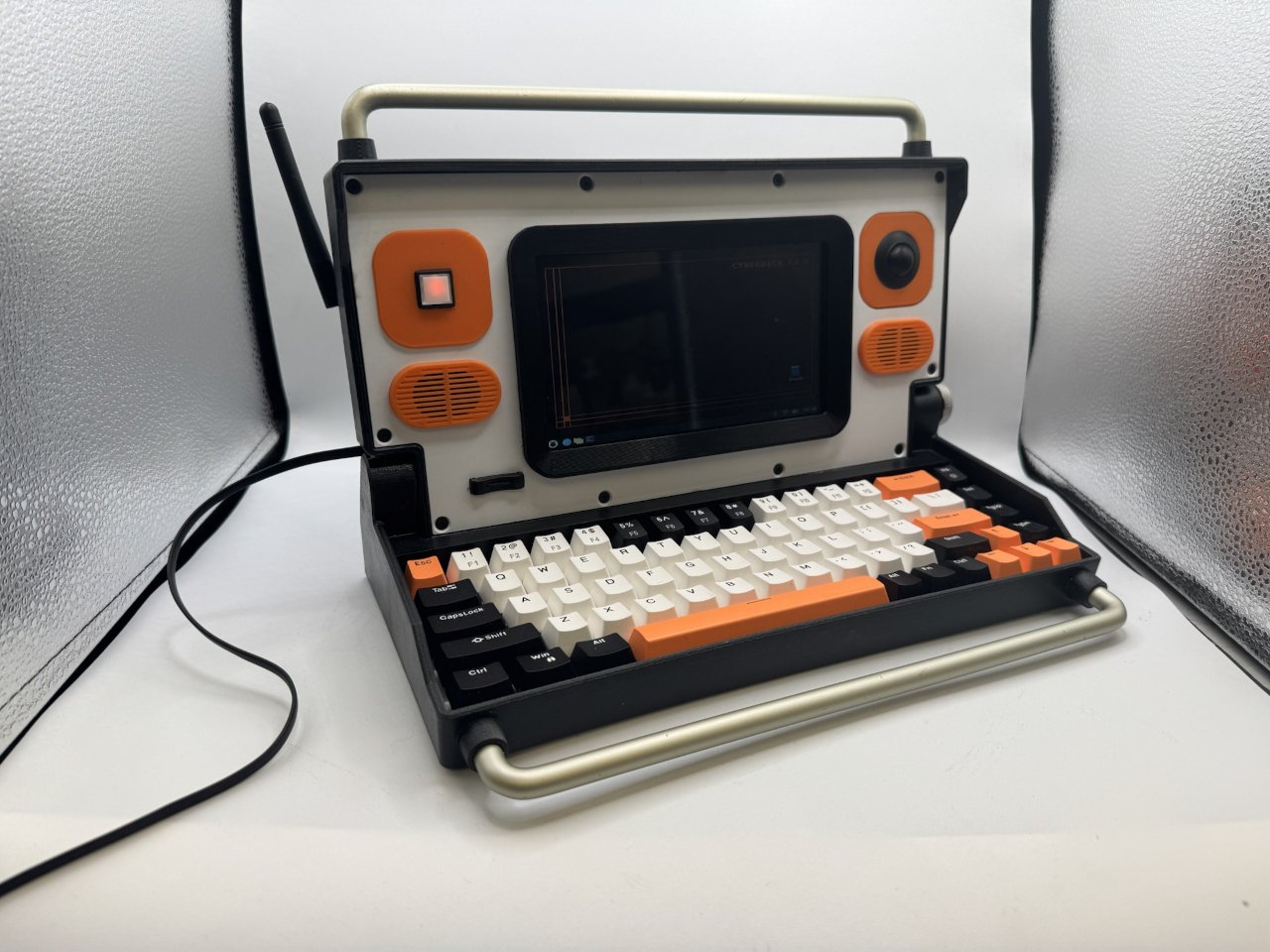
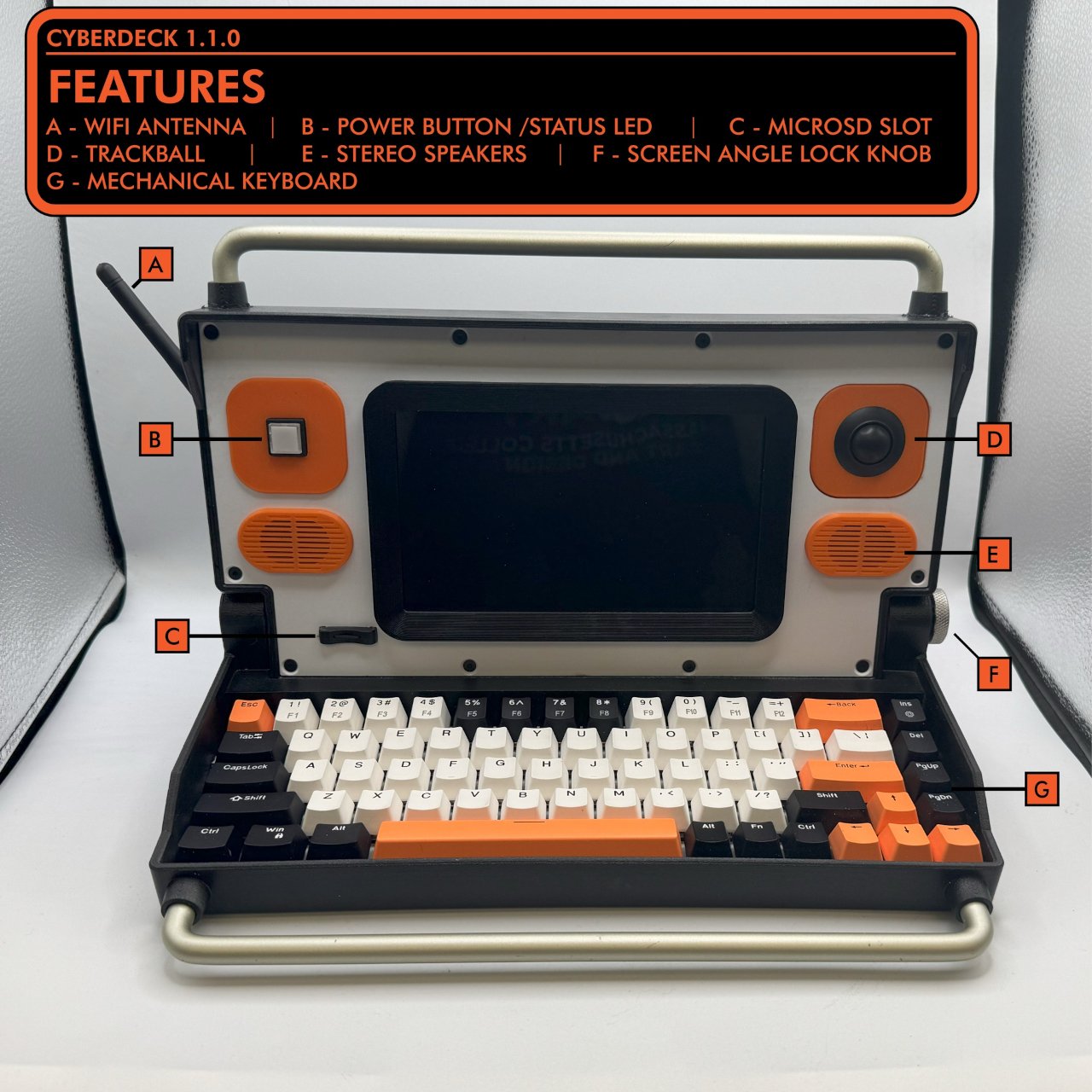
The Cyberdeck 1.1.0 project represents a completely different vision of the laptop concept, drawing inspiration from the aesthetics of 1970s sci-fi films. By blending the spirit of the past with modern technology, the design transforms into an artistic piece closer to a cinematic prop than a traditional desktop device.
A Design Philosophy That Rejects Repetition
Unlike the prevailing trend in commercial laptop design, which usually focuses on thinness and simplicity, this project opts for bold shapes, thick lines, and classic colors. Together, these elements give the device a rich visual character that highlights the maker’s personal touch and expresses their unique style.
Custom Computing with Practical Capabilities
Despite its striking appearance, the Cyberdeck 1.1.0 balances simplicity in construction with versatile capabilities. It avoids excessive complexity while maintaining ample space for innovation in the case shape and internal design. The building process includes various stages such as custom manufacturing of parts, component assembly, and precise selection of aesthetic details.
Multiple Skills and an Integrated Experience
This project offers its builder a practical opportunity to work with computer hardware alongside applying manufacturing and aesthetic design skills. As such, working on the Cyberdeck becomes a comprehensive experience that combines technical aspects with creative flair, opening the door for the maker to make their technology a reflection of their personal style.
| What We Like | What We Don’t Like |
| Unique aesthetic character that distinguishes it from commercial laptop designs. Modular design allowing ongoing development possibilities and multiple customization options. | Larger and heavier than commercial laptops, reducing portability. Its custom nature may complicate repairs or component replacements when needed. |
4- Pi Tin
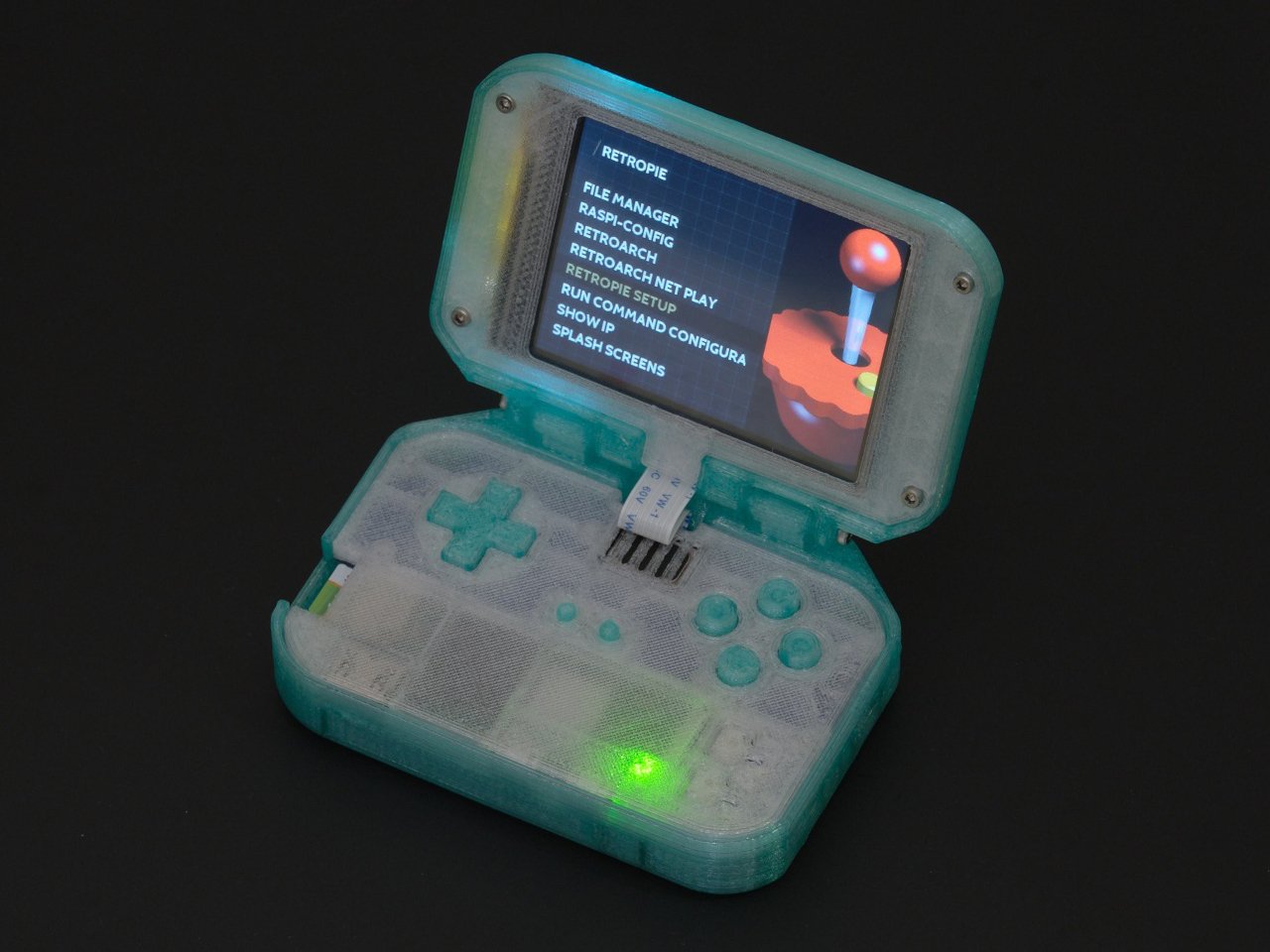
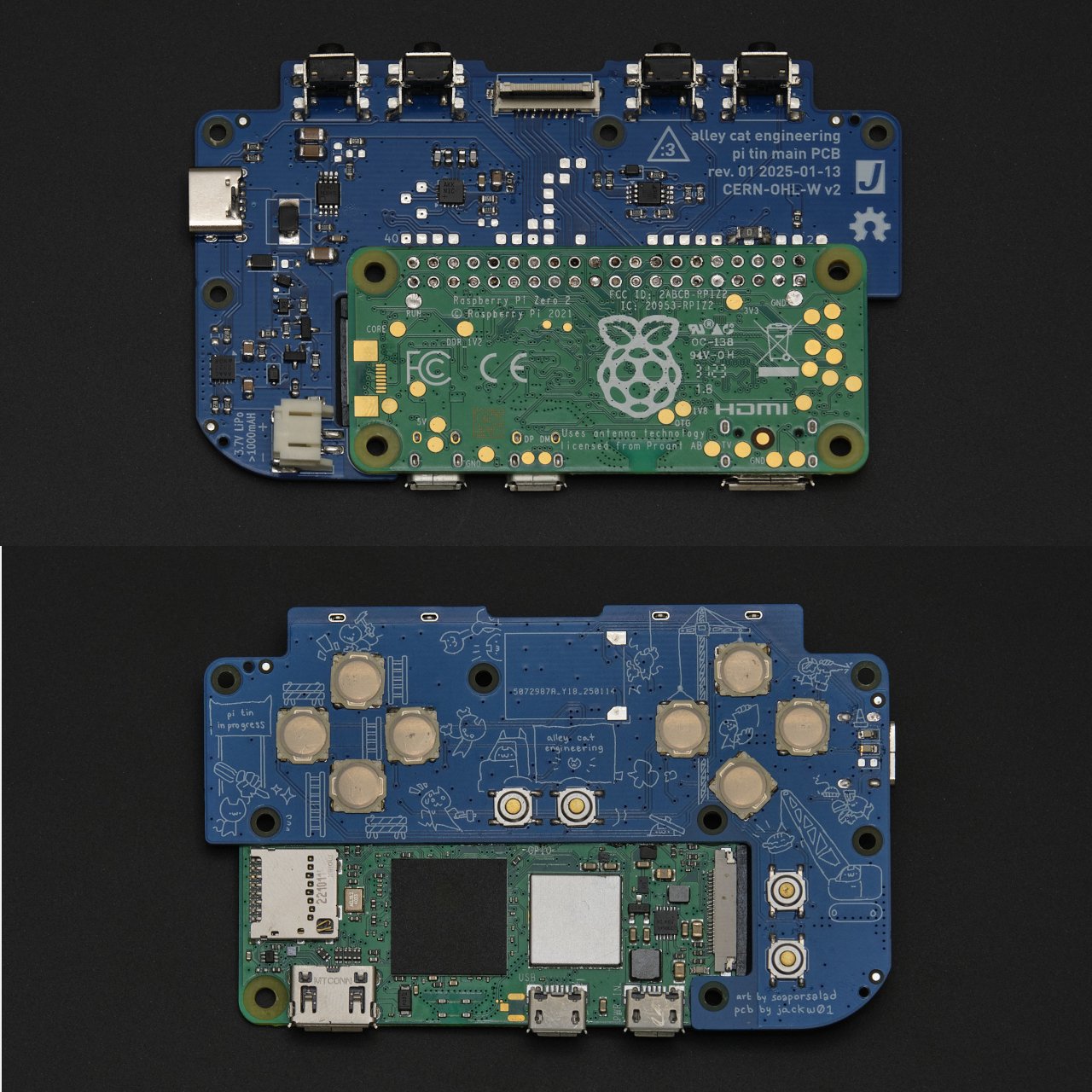
A Miniature Gaming Device that Condenses the Joy of the Past into Pocket Size
The Pi Tin project is a vivid example of how microcomputing technologies can preserve the spirit of classic games while presenting them in a modern, highly portable form. It combines simple design, nostalgic memories of classic games, and innovation in space and resource utilization.
Nostalgia for Classic Games in a Modern Shell
This device relies on the small Raspberry Pi Zero 2W unit, which despite its size, provides sufficient processing power to run classic gaming systems like 8-bit and 16-bit. This allows users to revive their old game libraries anywhere with minimal power consumption.
Utilizing Every Last Millimeter of Space
The standout feature here is the ultra-compact size, allowing the device to fit easily in a pocket or a small bag without posing a noticeable burden. This makes it ideal for gaming enthusiasts looking for a light entertainment experience on the go without sacrificing the essence of classic games.
A Precise Assembly Experience for Detail Lovers
Besides being a gaming tool, the Pi Tin project offers makers the chance to explore miniaturization challenges and work with high precision during assembly. It combines the joy of gaming with the satisfaction of building a compact engineering project, making it an ideal choice for those who love blending electronics and nostalgia.
| What We Like | What We Don’t Like |
| Highly portable gaming system that fits in a pocket or small bag. Impressive technical achievement demonstrating advanced miniaturization skills. | Small buttons and screen may be difficult to use for extended play sessions. Limited battery life due to power constraints inherent in such a tiny design. |
5- Portable Mac Mini

Reimagining the Laptop with a Simple Mechanical Design
The Portable Mac Mini project represents a different approach to thinking about portable computers. By leveraging ready-made components, this design redefines the laptop concept away from the conventional traditional chassis.
Design Concept: Simplicity with Flexibility
Instead of trying to cram components inside a complex chassis, the project relies on mounting a Mac Mini device next to an Apple Magic Keyboard, with a wide 12.3-inch screen that folds smoothly over the keyboard. The result is a portable unit that combines powerful performance with a simple form.
Ready Components Reduce Complexity
One of the most distinctive features of this model is the use of ready-made Apple equipment or modular accessories without the need for any soldering or complicated electronics work. Even the only part that might require extra time—repainting the screen frame—remains purely an aesthetic choice and is not mandatory.
A Valuable Experience for Mechanical Solution Enthusiasts
This project leans more towards mechanical design and practical problem-solving, making it suitable for those who want to execute a different idea without deep electronics expertise. Thus, it offers a good opportunity for any maker seeking a blend of functionality and creativity with the simplest tools.
| What We Like | What We Don’t Like |
| Requires no soldering, making it suitable for makers with limited electronics experience. Relies on trusted Apple components that ensure stable performance and high compatibility. | Relatively high cost due to the use of premium Apple components. Limited development potential compared to more flexible modular computer designs. |
The Ongoing Value of Handmade Projects
These handmade projects clearly demonstrate the diversity and depth that the world of makers and hobbyists offers today. Through varied examples — such as solar energy systems teaching thermodynamics basics or miniature gaming devices testing component integration skills — the maker finds real opportunities to develop their technical abilities step by step.
The Role of Technology and Supportive Communities
The role of today’s available technology cannot be overlooked, along with accompanying instructional guides and tutorials, in addition to maker communities that provide support and share expertise. All these elements make projects accessible to people with varying skill levels, giving each individual the chance to customize their project according to their needs and interests.
Beyond the Final Product
However, the most important value of these projects goes beyond the physical outcome; it lies in the experience itself: from learning new concepts, facing challenges, and solving problems innovatively, to expressing ideas tangibly. These combined elements form the essence of the joy in modern handmade work, making it an ongoing space for creativity and self-development.
✦ ArchUp Editorial Insight
In conclusion, these examples affirm that handmade projects are not merely hobbies but educational environments that integrate skill and creativity into a unified path. With each project, new horizons open up for the maker to leave their unique mark on any idea and transform it into a tangible reality that serves and expresses them simultaneously.
Explore the Latest Architecture Exhibitions & Conferences
ArchUp offers daily updates on top global exhibitions, conferences, and professional art and design forums.
Follow key competitions, check results, and stay informed through the latest news worldwide.
ArchUp is your encyclopedic hub for discovering events and design-driven opportunities across the globe.


