

Rediscovering the Shaving Routine: When Details Make All the Difference

How Has Our Relationship with Daily Shaving Changed?
For a long time, shaving was just another dull daily task.
Most people saw it as something extra to rush through, trying to avoid small cuts while relying on cheap razors from any pharmacy. There was no real effort to make this moment special — or even comfortable; it was simply a matter of “good enough.”
Why Are We Rethinking Our Daily Habits?
Over time, many have begun to revisit the small details of their daily routines. By clearing out the clutter around us, we’re starting to upgrade the tools we use constantly. More importantly, there’s a clear shift towards replacing single-use tools with higher-quality, longer-lasting alternatives.
Redefining What’s “Essential”
In this context, it becomes clear how a simple tool — like a shaving razor — can reshape our view of what we call “essential.” It’s no longer about showing off or adding luxury for its own sake. It’s about rethinking what truly deserves a place in our everyday lives.
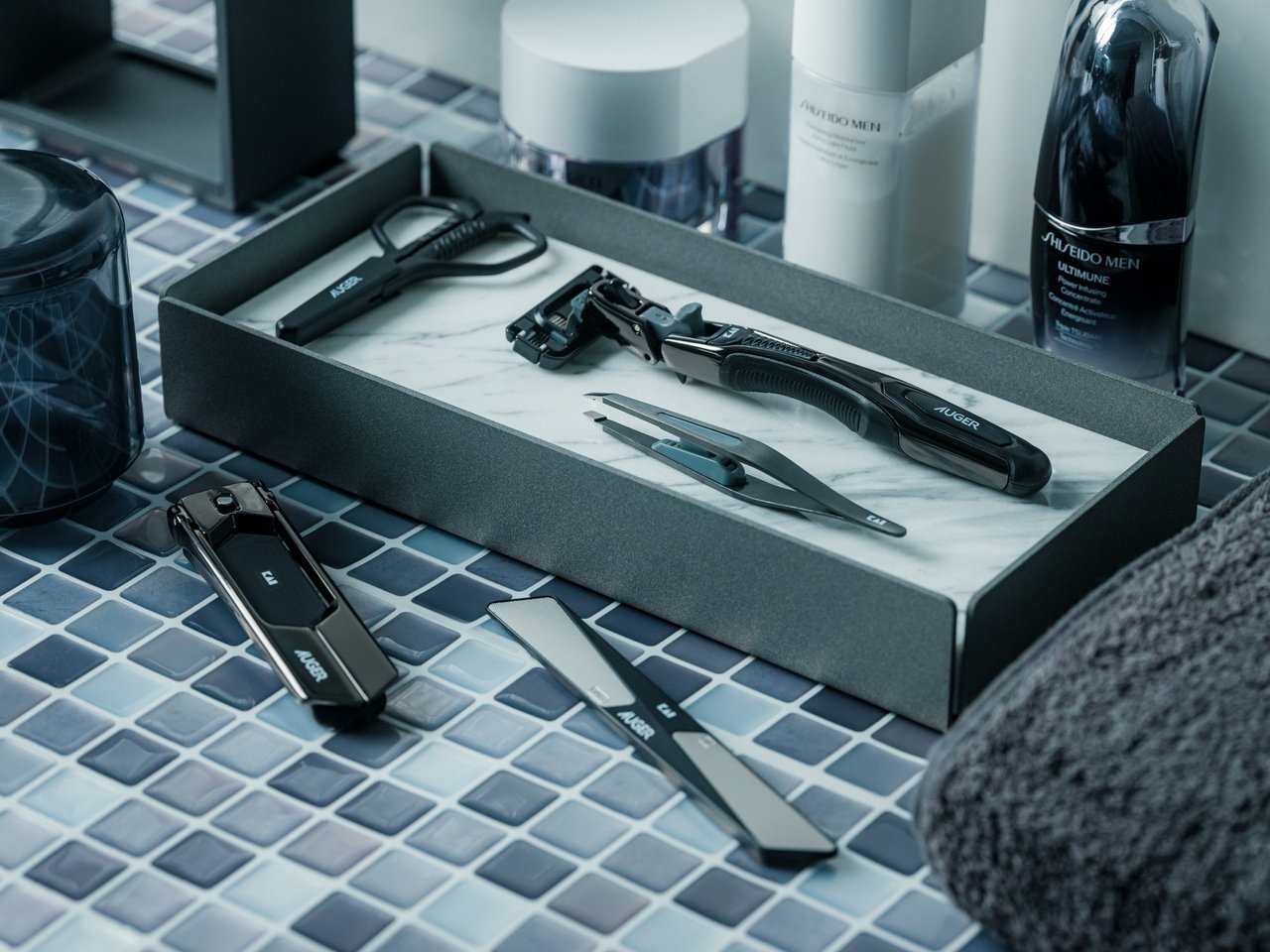
How Can a Single Tool Transform an Entire Routine?
At first glance, some might think that modern shaving tools are just “luxury” add-ons that don’t really make a difference. A sleek design, a unified color, and simple details might add a touch of mystery among ordinary razors — but do they change anything?
From Repetition to a Personal Experience
Over time, we may discover that some tools don’t just remain an extra piece on the shelf. Instead, they become a central part of our daily routine. Using a well-crafted, practical tool can motivate us to clear out old, pointless items — like cheap disposable razors or dusty trimmers that never really worked.
The Subtle Joy of Focus in a Simple Moment
This is where the difference becomes clear: between a rushed, forgettable shave and a calm moment that gives you a few minutes of focus and quiet — whether at the start or the end of your day. This small shift in everyday details can make a bigger impact than we might expect.
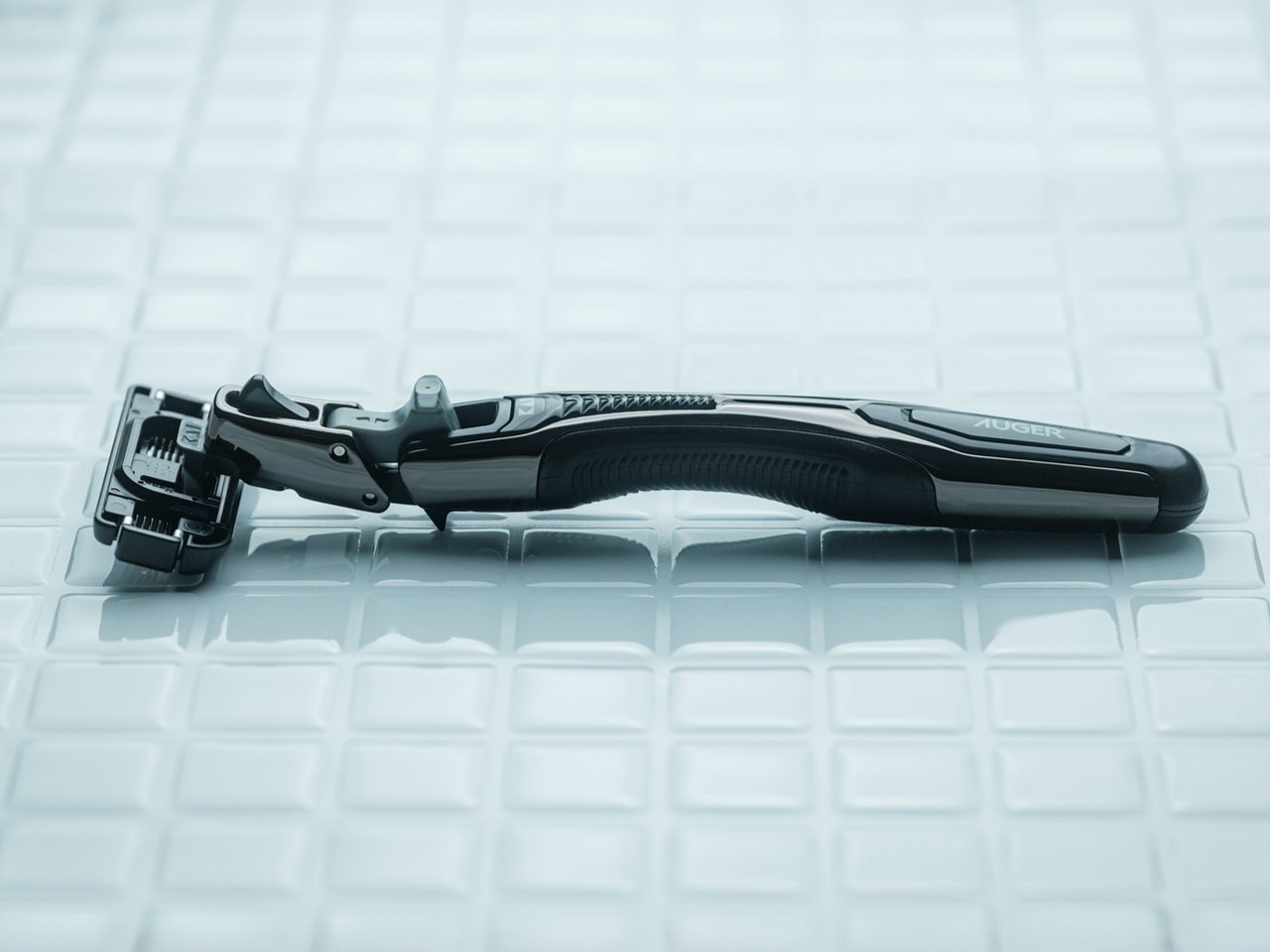
Design and Functionality: How Do They Meet in a Single Tool?
We often hear about products that balance good design with practical function — yet it’s rare to find real examples that prove this idea in small, everyday details like a shaving tool. To see how this works, let’s look at a few technical aspects that make a clear difference in daily use.
Adjustable Head with a Flexible Angle
One standout feature of modern razors is an adjustable head with an angle of up to 30°. This makes it easy to reach tricky areas under the jaw or along the face’s curves — without straining your wrist at awkward angles.
Wide Pivot Range with 3D Suspension
Another key point is the wide pivot range that allows the head to glide smoothly across all contours. This means fewer passes are needed, less chance of skin irritation, and more confidence every time you shave.
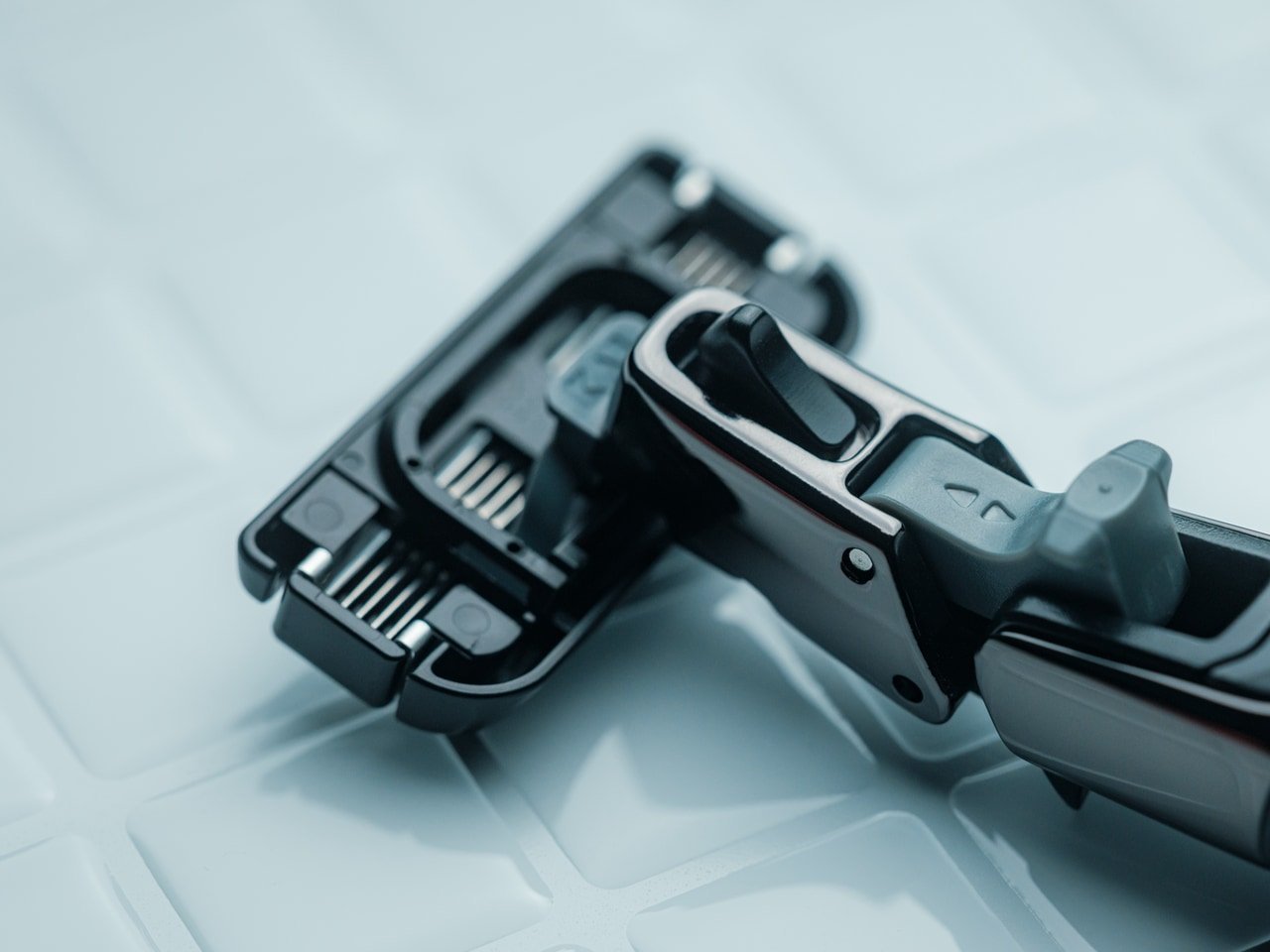
Advanced Five-Blade System
Equally important is the use of an advanced blade system — like the Japanese five-blade designs — which delivers an exceptionally close and smooth shave with no pulling or irritation. Most importantly, it reduces the need for single-use plastic tools.
Hygienic Storage to Keep the Head Clean
Traditional blades often get ruined by leftover water or sink-side grime. That’s why a design with hygienic, anti-contact storage is so valuable — it keeps the razor head dry, clean, and ready whenever you need it.
Comfortable, Minimalist Grip
Finally, no talk about design is complete without mentioning the handle. When the grip is balanced, sculpted simply, and free of unnecessary extras, it feels comfortable and secure in your hand — enhancing the entire shaving experience.
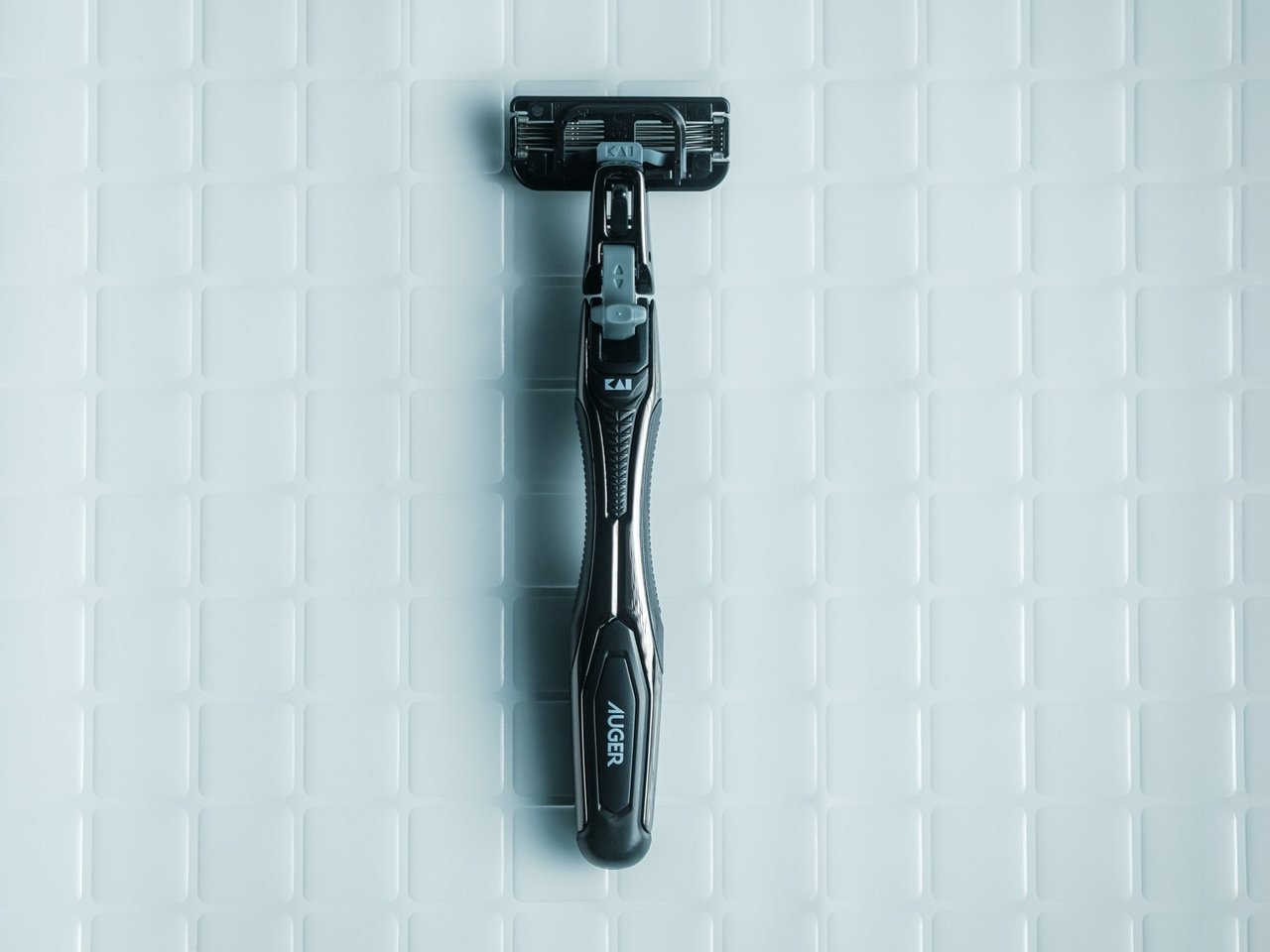
When Does “Luxury” Become Something That Lasts?
Too often, the word luxury is used to describe products that don’t last long or add little real value over time. But this idea can change when luxury shifts from just an attractive look to true quality that endures — and actually adds something meaningful to your daily routine.
Between Fast Consumption and Mindful Choice
Today, we’re surrounded by endless temptations: constant upgrades, new subscriptions, and products marketed as “good enough” that rarely stick around. Over time, many start to see that real change doesn’t come from buying more — but from owning things that truly last and serve us daily.
Craftsmanship and Expertise in the Details
One clear example is tools designed with care to last for years. Take Japanese razor blades, for instance — crafted by specialized makers like Kai Corporation. These brands are known for producing precise, ultra-sharp tools where every small detail reflects years of experience and thoughtful design.
The Value of Sustainability in a Small Routine
At the end of the day, the question is simple: why choose a tool that lasts? The answer lies in the difference between repeatedly buying cheap items that soon need replacing — and owning something built to stay reliable for longer, saving resources and effort in the process.
Design as a Message: What Does Form Really Say?
Not every tool is designed to grab attention or shout its presence from the shelf. Sometimes, quiet design speaks loudest.
Subtle Presence Without Flash
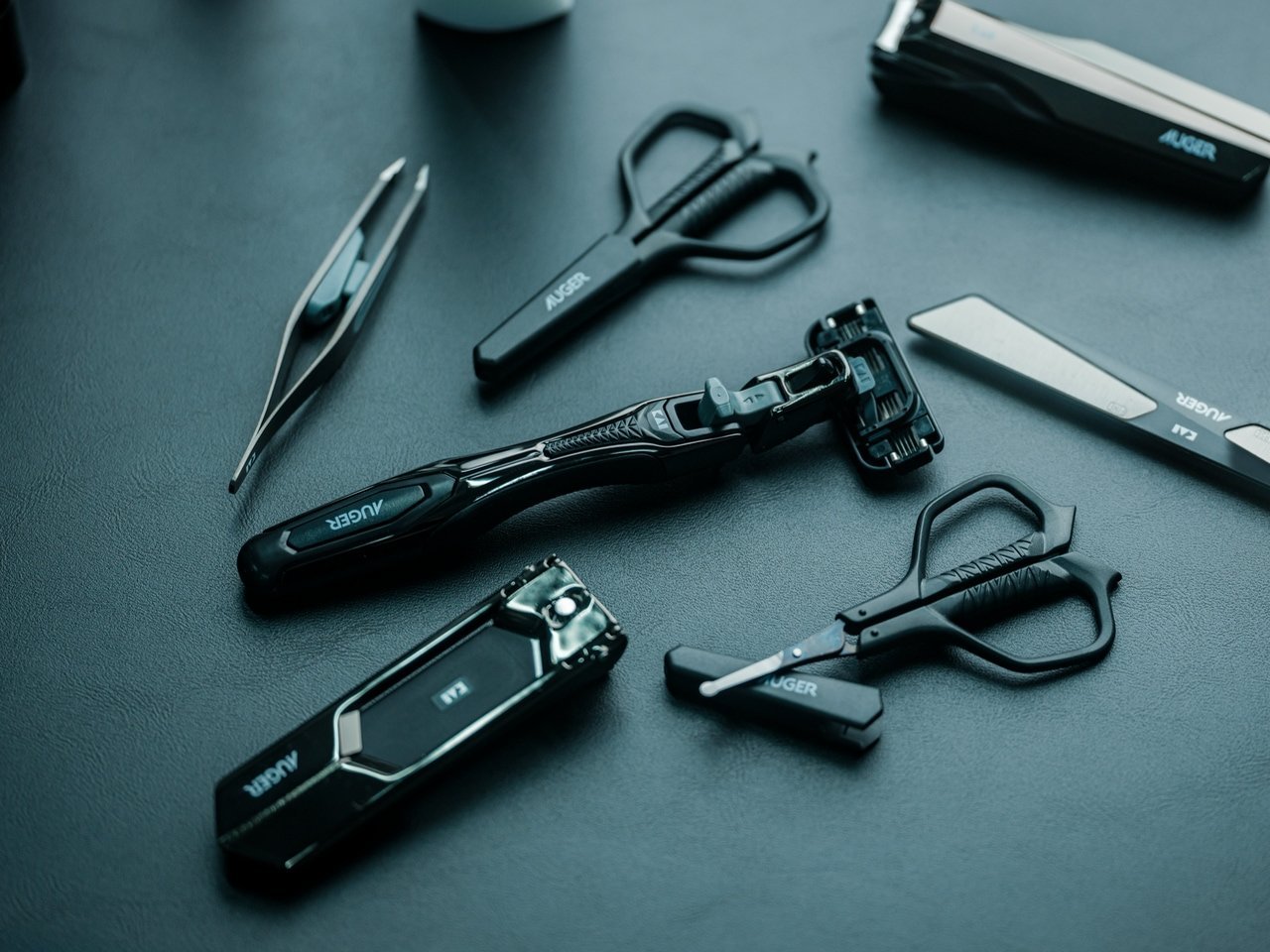
In simple tools — like certain modern razors — this principle is clear. They stand silently beside the sink, with carefully considered details and a single-tone color that reflects discipline, not showiness. No need for shiny logos or flashy chrome to prove their worth.
From Minimalist Design Culture
This approach echoes what we see in Muji catalogs or design museums in Kyoto — where form becomes a way to communicate a core idea: discipline, precision, and visual calm. Here, the tool isn’t just functional; it’s a small focal point that reminds the user of simplicity and mindful detail.
From Use to Daily Observation
Over time, an ordinary tool used without thought transforms into a visual element you notice every time you see it. In this way, design becomes part of a quiet daily experience — reinforcing the idea that small details can change your mood and your space.
Who Are These Tools Really For?
When we talk about simple yet thoughtfully designed tools, it’s worth asking: who truly sees their value beyond pure function?
1- Design Enthusiasts
Some people seek tools that combine aesthetic appeal with practical performance. For them, visual details matter just as much as how well the tool works.
2- Minimalists
Others prefer to own just one item that does it all — no clutter, no drawer full of unused gadgets, no products destined to become waste after a few short uses.
3- Ritual Seekers
Some people cherish small moments of mental clarity in the middle of a hectic day. For them, even a simple task — like shaving — can become a personal ritual for focus and calm.
4- Legacy-Minded Detail Keepers
There are also those who love keeping well-made items for years, maybe even passing them on or making them part of a lifestyle that values durability and conscious use.
How Can One Small Tool Change a Whole Routine?
Often, we don’t realize how much of our daily routine is just autopilot until we try a single tool that breaks that cycle. It might not solve every problem — but it can turn a boring chore into a small, repeatable pleasure.
The Power of Small Details in a Noisy World
In the end, tools like these remind us that even the simplest details — if designed with care and used mindfully — can make a bigger difference than we expect. In a world full of noise and constant rush, sometimes a little attention to detail is exactly what we need.
✦ ArchUp Editorial Insight
A small tool may seem like just another detail buried in a crowded routine. But sometimes, it opens a new door to see even the simplest habits with greater awareness. In a busy world, a little attention to detail can become a quiet gesture that transforms an entire day.
Explore the Latest Architecture Exhibitions & Conferences
ArchUp offers daily updates on top global exhibitions, conferences, and professional art and design forums.
Follow key competitions, check results, and stay informed through the latest news worldwide.
ArchUp is your encyclopedic hub for discovering events and design-driven opportunities across the globe.


