Damiano Latini: Pioneering Sustainable Living with Recyclable Materials and Modular Design


Damiano Latini is at the forefront of eco-conscious living, using materials like 100% recycled plastic and aluminium to create sustainable, modular furniture. Founded in the early 2000s, the brand’s innovative approach goes beyond material selection, encompassing the entire lifecycle of its products.
A Vision for Fluid and Adaptable Spaces
Damiano Latini envisions spaces that evolve with their users through modular systems that are both functional and aesthetically pleasing. The brand’s design philosophy prioritizes creating timeless pieces that maintain relevance beyond fleeting trends, reflecting a commitment to sustainability and quality.
Aesthetic and Functional Design
According to Damiano Latini, products must be both attractive and practical. Latini emphasizes that aesthetics are crucial as they add value and appeal, whether in kitchen systems or furniture pieces. This approach drives the creation of innovative, trend-independent furnishings that resonate with a broad audience.
Collaboration with External Designers
To achieve its vision, Damiano Latini collaborates with external designers, bringing diverse experiences and cultural perspectives into the creative process. This collaboration ensures the development of enduring designs that align with the company’s sustainability ethos.
Recent Innovations: Super Chair and Modular Systems
The Super Chair, designed by Nicholas Baker, exemplifies Damiano Latini’s sustainable approach. Made entirely from 100% recycled plastic, the chair uses polypropylene sourced from industrial waste, transforming scraps into eco-friendly products.
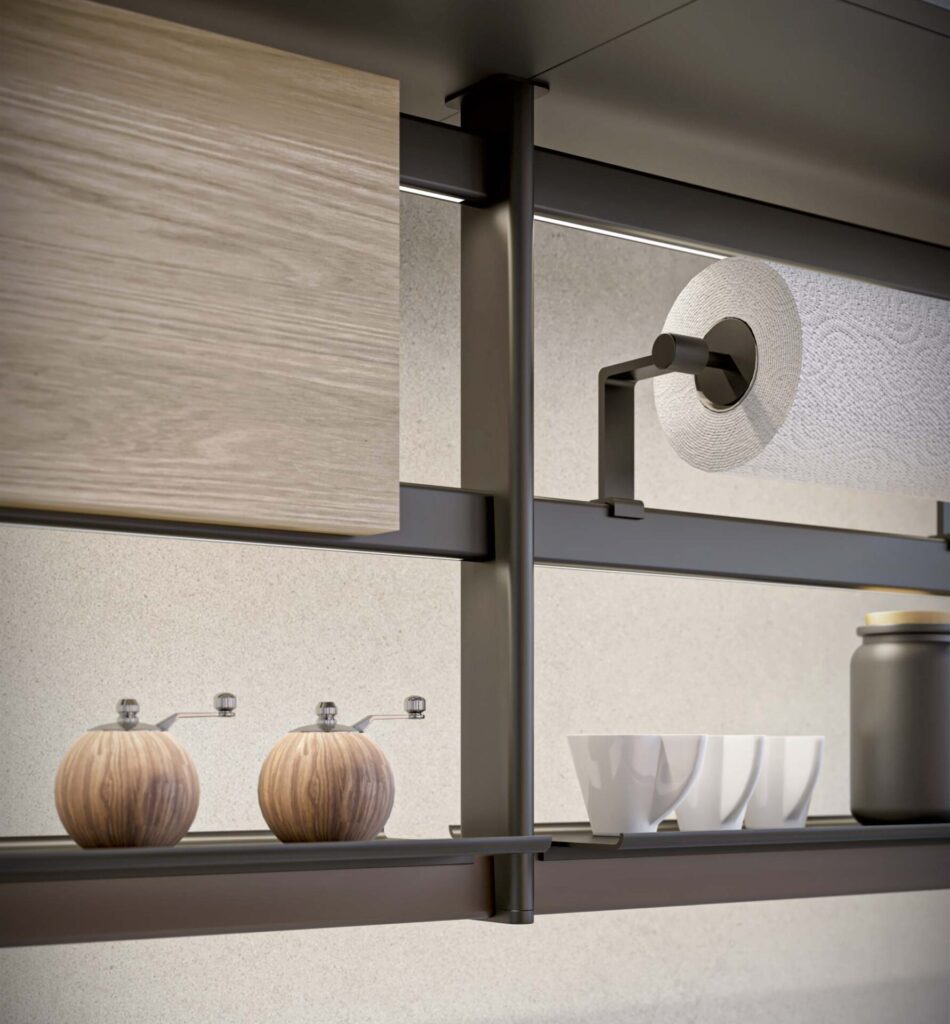
Aluminium, another core material in Latini’s portfolio, constitutes about 90% of its products. Its recyclability and versatile properties make it ideal for creating lightweight, durable designs. The Hang modular kitchen system, designed by Andrea Federici, utilizes a profile extrusion system to minimize aluminium waste, reflecting Latini’s commitment to resource efficiency.
Strategic Sustainability Practices
Damiano Latini’s sustainability strategy includes using FSC-certified wood and cardboard, employing mechanical joints for easy recycling, and adopting flat-pack shipping to reduce packaging waste. Recent investments in Industry 4.0 machines have enabled the company to internalize production, minimizing material transportation and optimizing processes to reduce waste.
Future Goals and Initiatives
Looking ahead, Damiano Latini aims to further reduce its carbon footprint. The company plans to increase collaboration with local suppliers, adopt clean energy solutions, and optimize staff schedules to minimize travel. These initiatives, alongside the continuous improvement of production processes, position Damiano Latini as a leader in sustainable furniture design.
Setting a Benchmark for Sustainability
With a comprehensive approach to sustainability, Damiano Latini is not only reshaping eco-conscious living but also setting a benchmark for the industry. By integrating recyclable materials, innovative design, and efficient production methods, the company is making significant strides towards a more sustainable future.

Finally, find out more on ArchUp: