Democratic Design: How IKEA Changed the Way We Live

The Origins of IKEA and Its Commitment to Accessible Design
IKEA’s remarkable journey began in Älmhult, Sweden, where Ingvar Kamprad’s vision of creating affordable, high-quality furniture took shape. Kamprad’s ambition was simple: make good design accessible to the masses, no matter their financial standing. From its humble beginnings as a mail-order business in 1943, IKEA grew into a global phenomenon. The vision behind the brand was always clear: to revolutionize the way people live, providing them with stylish and functional products for their homes at affordable prices.
The concept of “Democratic Design” emerged from this core idea, pushing IKEA to think beyond traditional furniture-making. It sought to create products that would improve everyday life while balancing beauty, function, durability, and cost-effectiveness. This philosophy became a defining feature of IKEA, one that continues to shape their innovations and products today.
The Birth of Democratic Design: A Revolutionary Approach to Product Development
Introduced in 1995, IKEA’s “Democratic Design” revolutionized the company’s design process. The term was not just a guideline, but a vision that would redefine how furniture could be designed and produced. The philosophy integrated five key principles: form, function, quality, sustainability, and affordability. The idea was simple—design beautiful, functional products that would be both durable and accessible to everyone, regardless of their economic background.
This approach quickly became synonymous with IKEA’s brand. Every product, from flat-pack furniture to home decor, was designed with these five values in mind. IKEA was no longer just a furniture company but a global design leader, making products that appealed to the masses while still maintaining a commitment to quality and innovation.

The Role of the IKEA Museum in Preserving the Brand’s Legacy
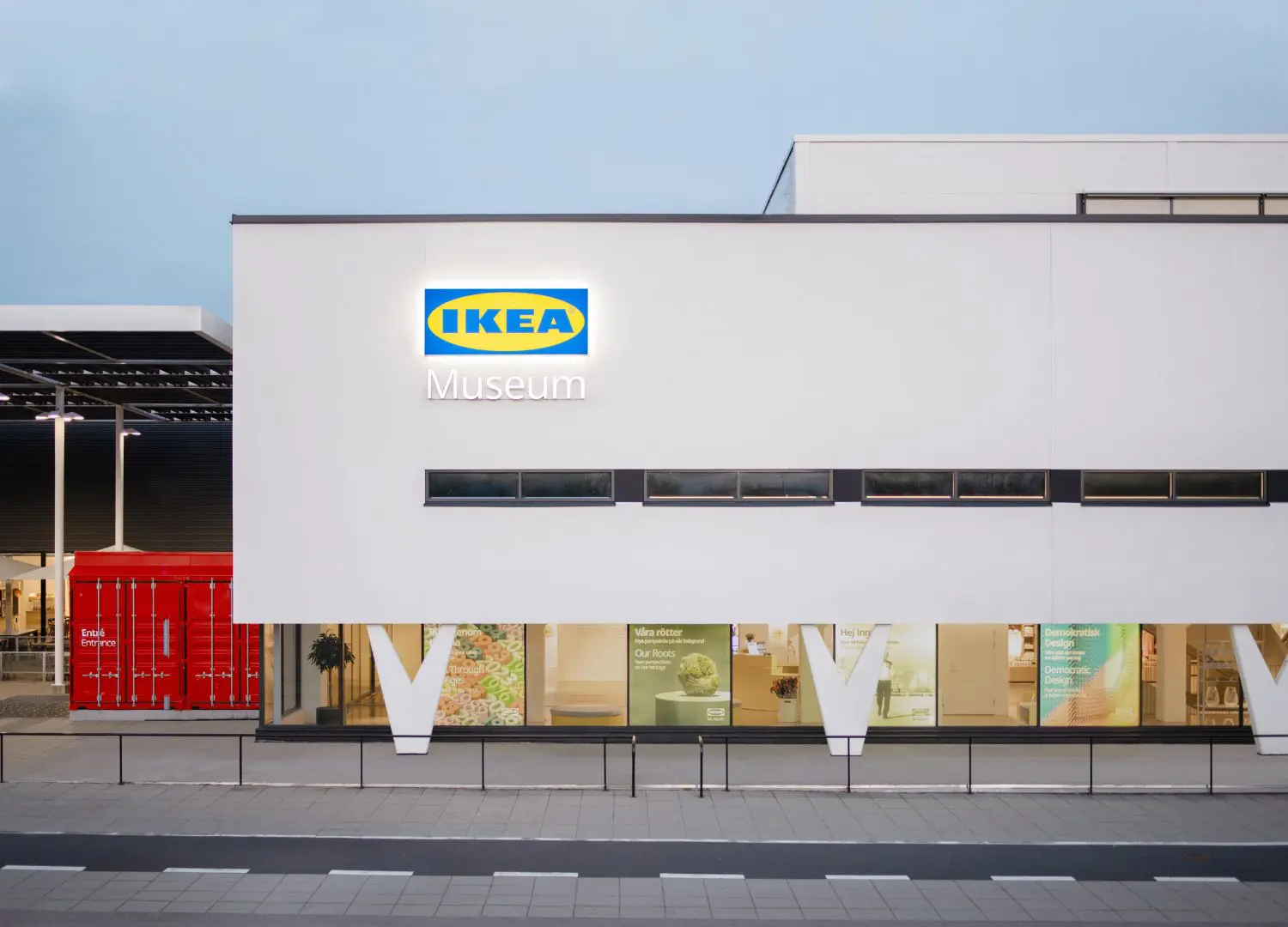
The IKEA Museum, located in Älmhult, Sweden, is a tribute to the brand’s history and its dedication to Democratic Design. Situated in the original IKEA store, which opened its doors in 1958, the museum offers a glimpse into the evolution of IKEA and the design principles that have guided its success.
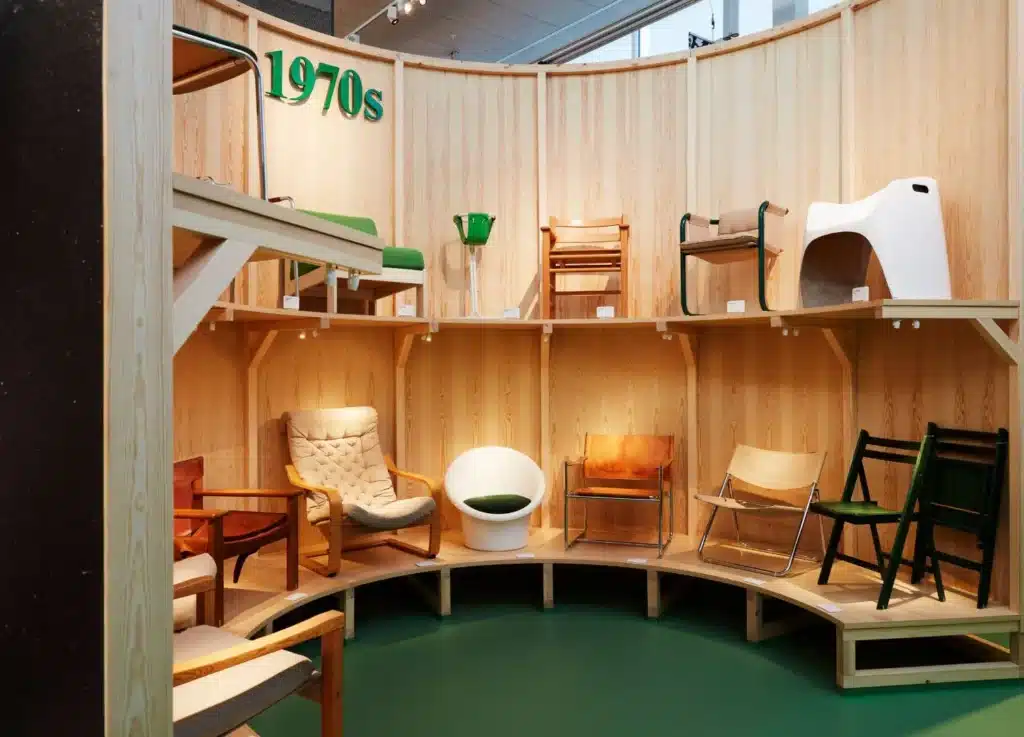
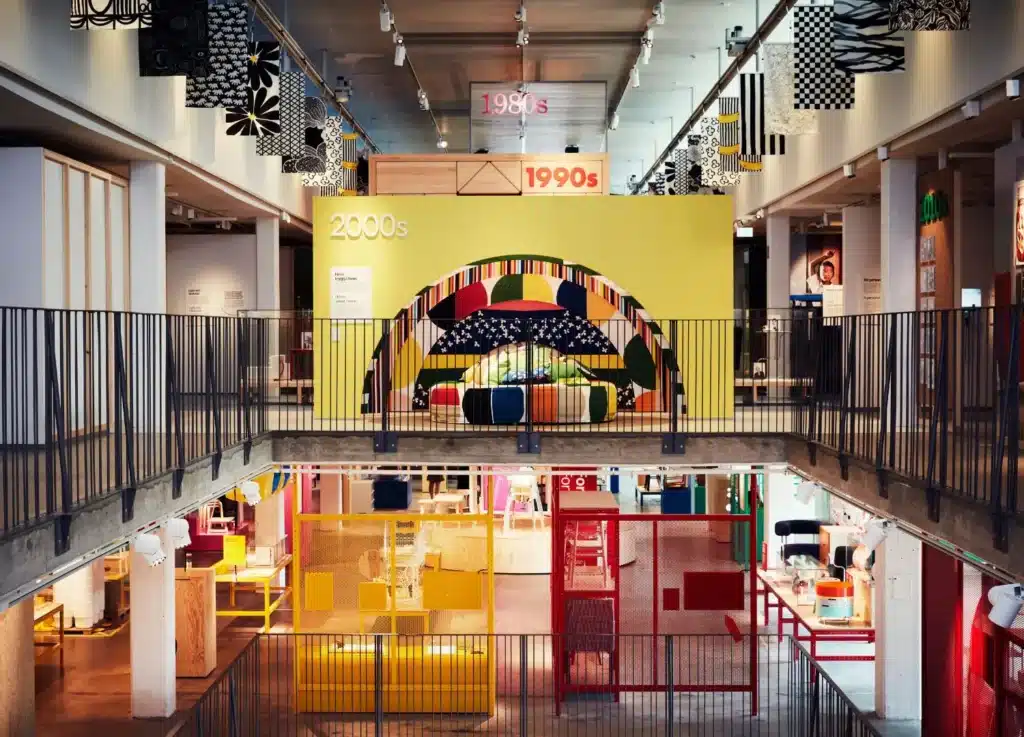
Visitors to the museum can explore the company’s history through iconic products that have become symbols of the brand’s innovative spirit. The museum also delves into how IKEA’s design philosophy has influenced the way we furnish and decorate our homes. From its early days of creating practical yet stylish furniture to its current focus on sustainability, the IKEA Museum showcases the company’s relentless pursuit of affordable and functional design solutions for all.
Why IKEA’s Democratic Design Still Matters Today
Today, the principles of Democratic Design are more relevant than ever. In a world where environmental concerns are at the forefront, IKEA has continued to adapt, finding ways to make its products not only functional and beautiful but sustainable as well. The brand has pioneered initiatives such as using renewable materials and promoting recycling within its product lines, all while keeping its focus on affordability.
By embracing Democratic Design, IKEA continues to innovate in ways that cater to the needs of a global audience, making sustainable design accessible to people around the world. The brand’s commitment to these principles ensures that it remains a leader in the design world, shaping the future of home furnishings for generations to come.

Finally, find out more on ArchUp: