Dynamic architecture and how it applies to architectural elements

Dynamic architecture and how it applies to architectural elements
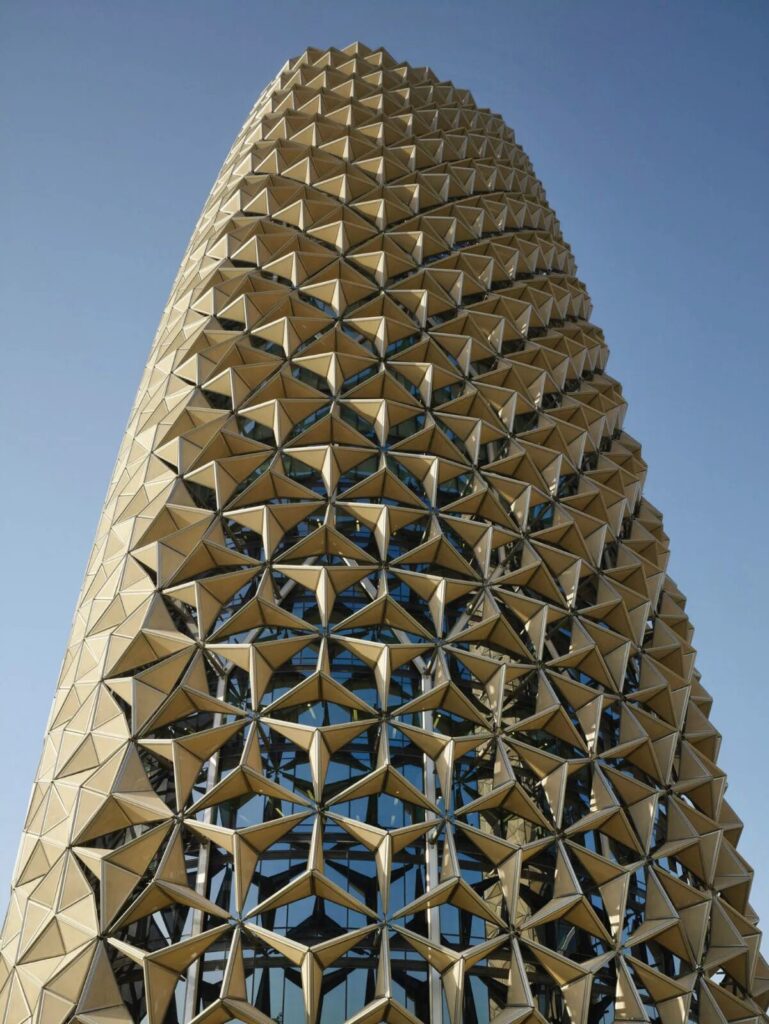
High-performance adaptive solutions are able to respond to the dynamic nature of users and the context.
These innovative and dynamic systems are gaining ground on static, ubiquitous “best fit” models.
These architectural elements often exist outside of prevailing building standards and traditional ways of representing data or communication.
This presents significant challenges to a highly standardized and fragmented industry, where “innovation” is limited to a few signature practices.
This designs iconic yet expensive structures, often prioritizing aesthetics over performance.
The use of schematic grammars to translate basic algorithmic rules into design instructions allows complex and innovative solutions to be achieved more effectively.
And the architect should be a catalyst for positive change in the nature of buildings, cities and our lives if possible.
In order to achieve this, it is necessary to take into account the entire context of architecture and nurture innovation.
In summarizing his speech in the Bartlett International Lecture Series, Wolfgang Rieder commented: “Architects become building aggregators and do not participate in the whole process.
The focus is on attractiveness rather than functional innovations and smart design.” (
Factors affecting architectural aspirations
There are many factors that influence architectural aspirations, as both the government and public sectors require increased performance and improved efficiency.
Environmental concerns and global economic difficulties require innovative solutions with ever-decreasing resources.
The world is changing rapidly and our ideas and creativity must change as well, dynamic interfaces can change to deliver the best performance in relation to their environment.
A consistent ‘best fit’ approach to facade design falls short of the optimum performance achievable with respect to the changing climatic conditions outside the buildings.
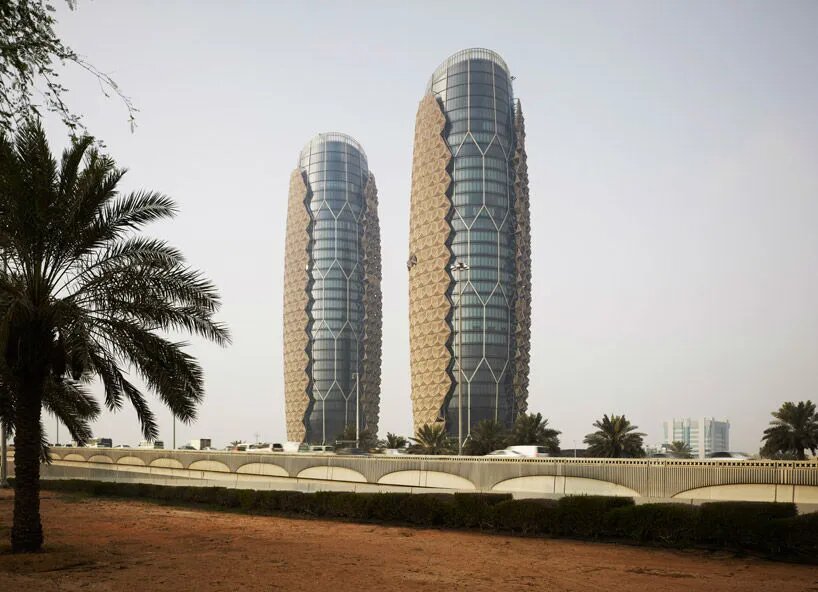
Therefore dynamic interfaces capable of responding to such changes may become a common place.
Architectural designs must also face many challenges, from user comfort to efficiency, deliverability and sustainability.
The dynamic architecture is capable of automated responses to external data sources, in order to achieve high performance systems.
This is a new and challenging idea for an industry where antistatic is the norm.
Such innovations present a particular challenge given the fragmented nature of the AEC system; there are many industries involved and a changing list of stakeholders in each project.
As a result, there is no standard for communicating ideas or data, and in light of these challenges, the economy of value often outstrips efficiency of performance.
Innovation is not a new concept, in architecture however it is an uphill battle, to make this process reasonable.
Clear communication and stakeholder investment in the process are essential, and as the engineering complexity
increases, so does the challenge of maintaining a cohesive collaboration. Non-standard solutions can also push interactions beyond the breaking point and jeopardize the project.
You may like: Dynamic architecture as a manifestation of the evolution of architecture