El Sardinero Stadium Renovation Redefines the Urban Landscape in Santander

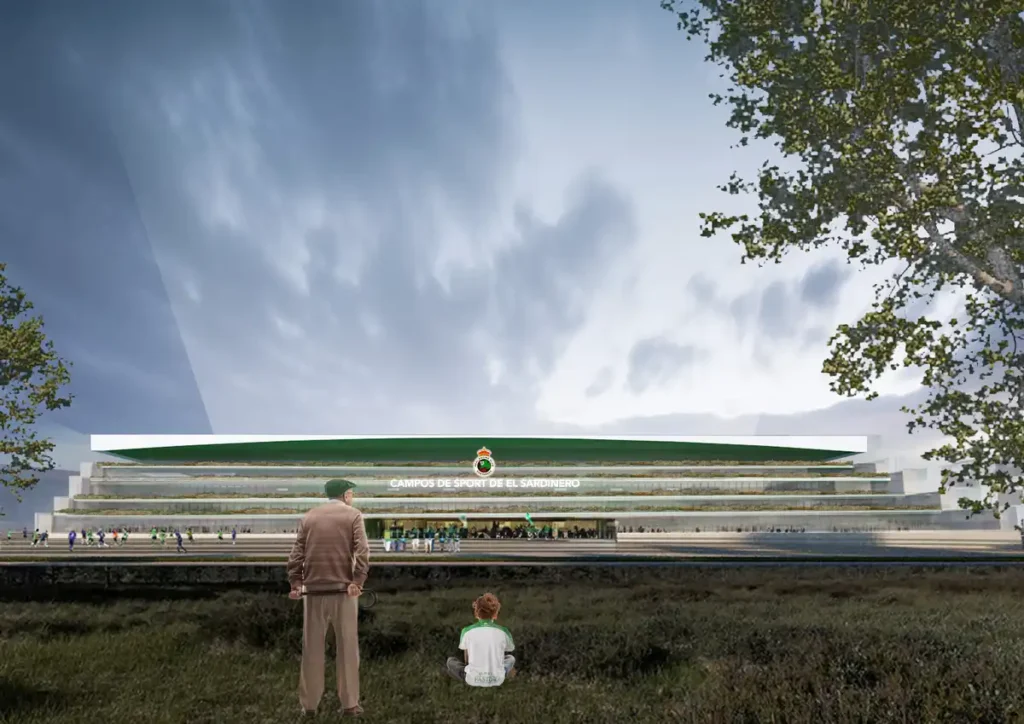
The renovation of El Sardinero Stadium aims to transform the stadium and its urban surroundings into an integrated architectural element that connects the city with the sea and the mountains, while creating an open environment that encourages social and cultural interaction within the urban fabric.
Stadium Design and Open Spaces
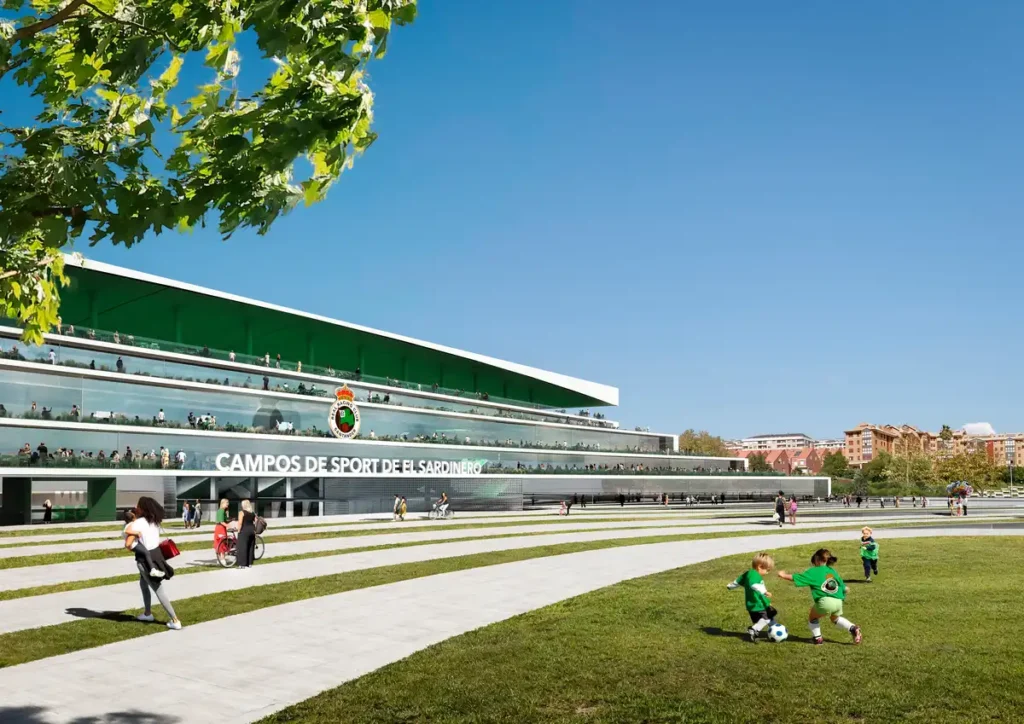
The design focuses on creating open public spaces around the stadium, including a main urban square covering over 26,000 m², intended to enhance connectivity between the city and its natural surroundings. The stadium is designed to be part of a green corridor linking the Picos de Europa mountains with the Cantabrian Sea through Las Llamas Park, making the site seamlessly integrated with both the city and the natural environment.
Expansion and Interior Development
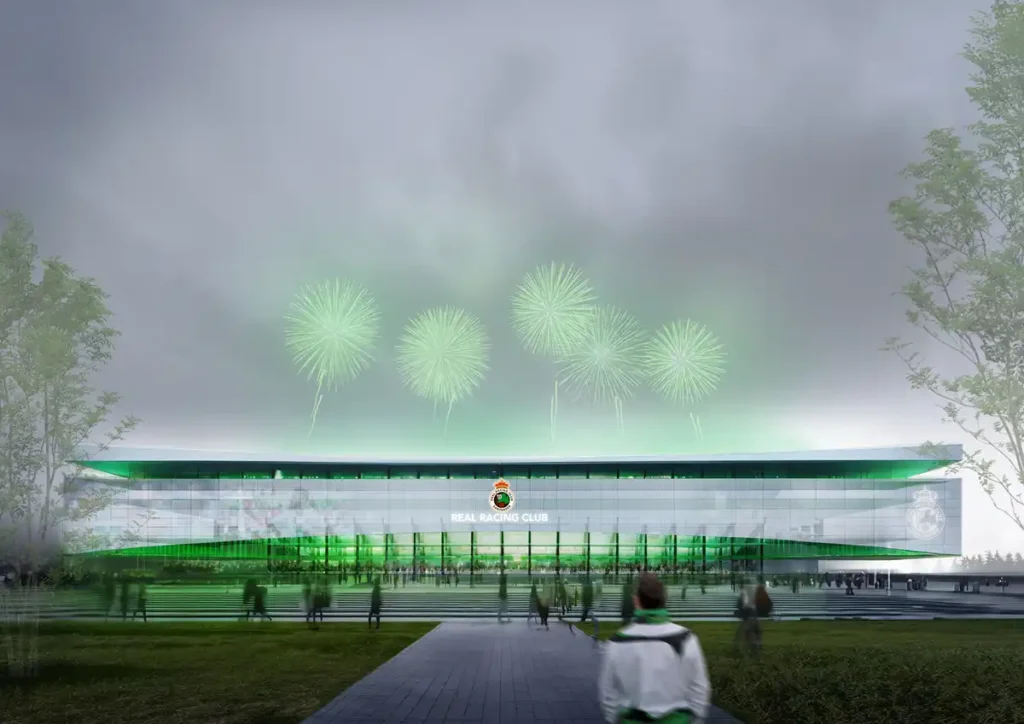
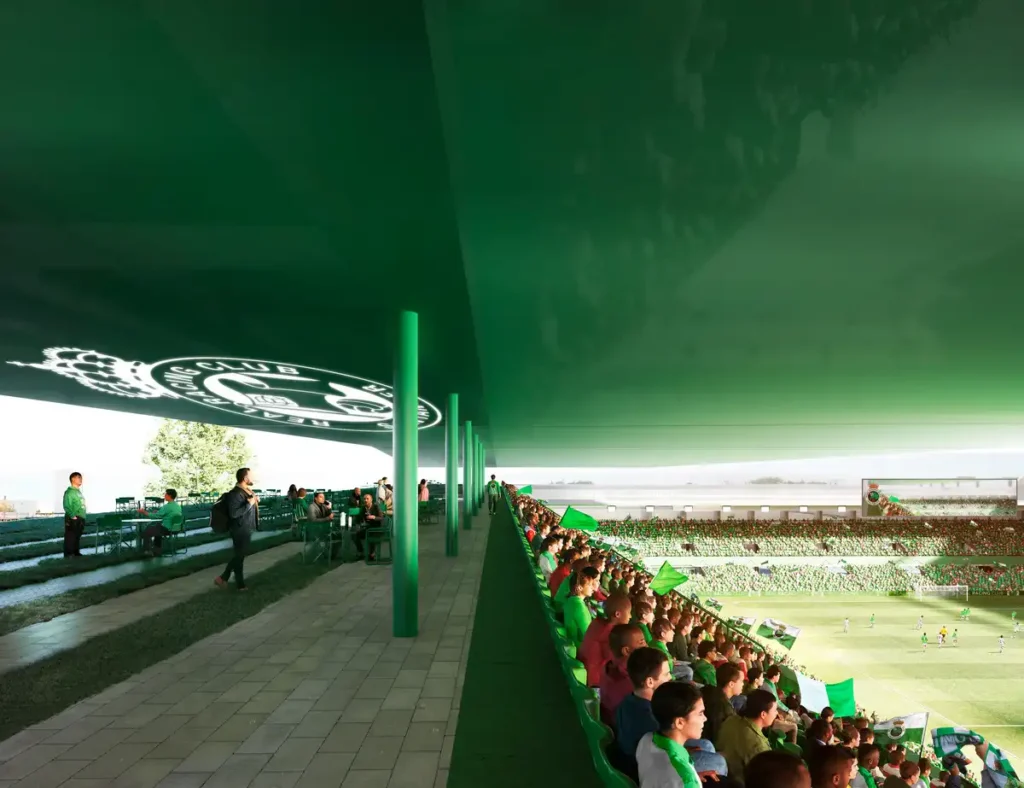
The renovation increases the stadium’s capacity to 27,000 spectators. The designers reorganize the stands to provide clear sightlines and comfortable seating. They incorporate multi functional facilities, including event spaces, a museum reflecting the city’s sports history, administrative offices, and hospitality areas. The design maintains fluid circulation and allows flexible use of interior spaces.
Sustainability and Urban Integration
The design emphasizes sustainability and energy efficiency, with architectural solutions that strengthen the connection between the building and its surroundings. The design makes the facades, pathways, and circulation areas open and adaptable, allowing natural light and airflow, which integrates the stadium into the city’s urban and natural landscape beyond its role as a sports venue.
✦ ArchUp Editorial Insight
The El Sardinero Stadium renovation presents an architectural approach that integrates the building with its urban and natural surroundings. The images show modern material expression and wide openings that allow natural light and airflow. Open spaces connect the stadium to the city, mountains, and sea. While the design promotes openness and contextual integration, the spatial sequence within the stadium remains underdefined. Visitor circulation could be clarified further. Additional consideration could enhance interaction between multi-functional facilities and surrounding public areas. Nevertheless, the focus on sustainability and urban integration provides long-term value and positions the project as a redefinition of building to city relationships.
Explore the Latest Architecture Exhibitions & Conferences
ArchUp offers daily updates on top global architectural exhibitions, design conferences, and professional art and design forums.
Follow key architecture competitions, check official results, and stay informed through the latest architectural news worldwide.
ArchUp is your encyclopedic hub for discovering events and design-driven opportunities across the globe.