Exceptional Design: Art School for the Visually Impaired Leads Architectural Future Generation Projects

Architecture of Sensation and Path: Redefining Perceptual Spaces
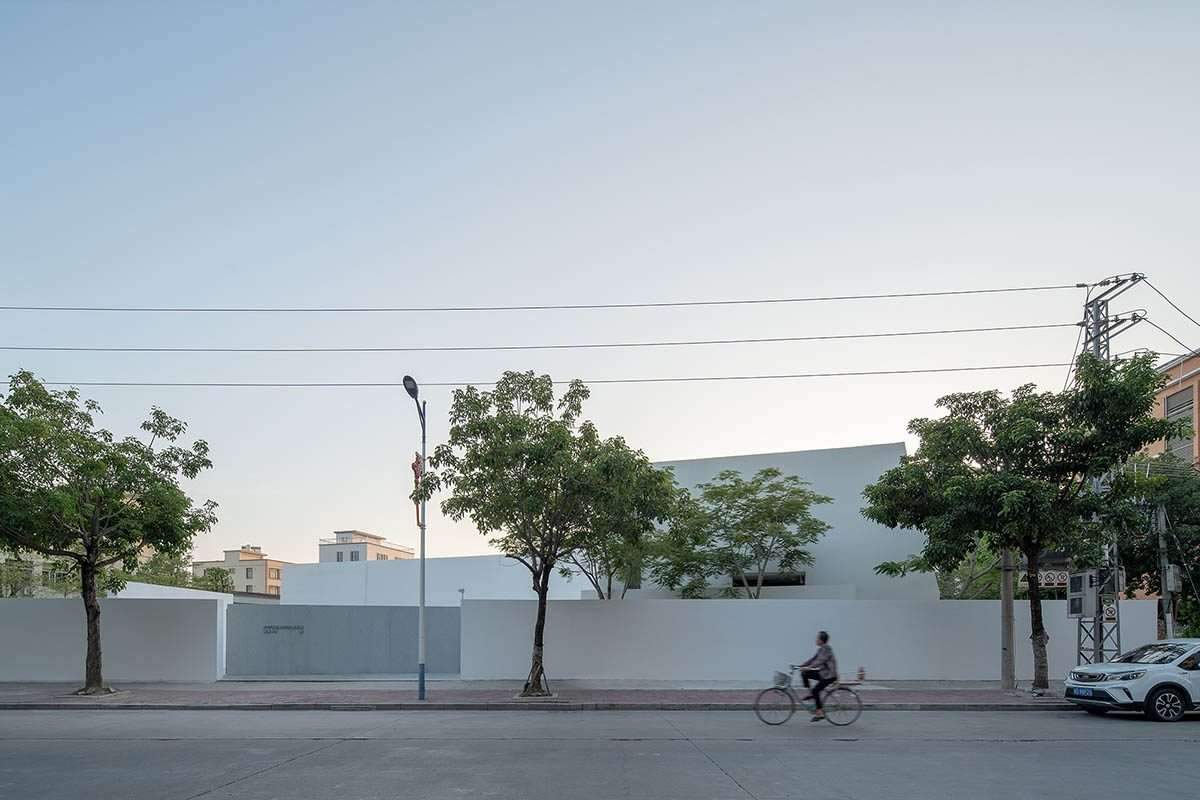
The collection showcases projects addressing acute urban and social challenges. Foremost among them is the design of an art school for the visually impaired. This project focuses on creating internal spaces that do not rely on sight. Instead, it relies on deepening the senses of touch, sound, and texture. This approach signals a qualitative shift in Emergent Architectural Thinking. Functional programs and perceptual metrics now drive the primary design form. It attempts to establish a more inclusive architecture. This architecture responds to unconventional physical and psychological needs.

Response to Urban Identity: From City Density to Bodily Sanctuary
Students explore mechanisms for adapting to suffocating urban density and rising stress levels. One proposal is the Floating Refuge. It is a meditation center that floats on water. The form is inspired by the innocence of the lily flower. This center functions as a rescue station and sensory isolation point. The visitor feels an immediate disconnect from the city’s rhythm. The surrounding water imposes a state of preemptive calm.
In a similar context, the Teenagers’ Retreat focuses on re-integrating youth with nature. The design is inspired by the sleek form of a stingray. Paths lead across a wooden deck to a carefully designed garden. The site is enclosed by botanical areas and artificial water features. The project underscores the necessity of providing safe, open space for youth.

Sustainable Construction Techniques: Commitment to Wood and Carbon Reduction
These architectural theses reveal the seeds of a growing environmental awareness. The institution systematically embraces experimentation with timber-based architecture aimed at lowering the carbon footprint associated with concrete. This direction reflects a design practice. It seeks to combine structural sustainability with aesthetic flexibility.
Materials and Techniques Used in the Proposals:
- Timber/Wood: The primary material for residential structures and tangible design elements (e.g., wooden decks).
- Structural Aluminum: Used to reinforce wood and achieve structural balance in the floating boat construction.
- 3D Modeling: A crucial technique for teaching students the necessary digital tools for the profession.
- Ergonomic Approach: Adopted in the biology school design to enhance movement and functional flow.
- Concrete Reduction: A methodical goal to minimize carbon emissions in urban design.

Integrating Nature and Function: Grain Restaurant and Urban Dog Housing
Emergent Architectural Thinking extends to include human interaction with productive environments and non-human city residents. The restaurant project, inspired by the shape of a rice grain, functions as an ecological model. It connects the visitor to their food source. The visitor can consume locally grown herbs and flowers within the restaurant itself.
On the social front, the high-rise housing project addresses the dilemma of density. The project offers a solution focused on pet welfare. A sky garden, protected by barriers, was designed as a play area for dogs. This indicates that urban planning must be inclusive of all living creatures.

Aesthetics of Narrative Form: Inspired Structures
Several buildings derive their appeal from structures inspired by nature or function. In the Music School, the structure’s strength mimics the topography of mountain ranges. The school is surrounded by a water garden. This garden creates sound and visual layers before accessing the educational spaces.
In contrast, the biology school design uses a human factors engineering approach. The structure forms an intersection between a rectangular element and curved elements to link spaces. This composition facilitates flow and movement among students and teachers. This represents an initial effort to connect functional aesthetics with the requirements of modern architectural programs. It confirms that Emergent Architectural Thinking sees social challenges as an opportunity for comprehensive research.
✦ ArchUp Editorial Insight
The collection of emergent architectural projects strongly reflects a focus on forms inspired by natural elements, with fluid shapes derived from lilies, fish, and mountain ranges dominating the designs. This approach offers compelling visual description yet reveals a lack of technical depth, as the pursuit of visual aesthetics overshadows the exploration of innovative structural solutions or actual sustainable implementation details. This formal focus relegates the theses to conceptual narratives, requiring greater maturity in pre-university design thinking.Nevertheless, we should credit the new generation for their early awareness of social issues, including the perceptual needs of the visually impaired and efforts to address urban stress.