English Country Manor Houses: Windows into History and Culture

English country manor houses stand as remarkable cultural landmarks, offering a glimpse into centuries of social, economic, and architectural evolution. These historic estates are more than just grand buildings; they serve as tangible records of the lives of the aristocracy, the shifting tides of power, and the changing landscape of British society.
This article explores the historical origins of these houses, their architectural diversity, and the role of preservation efforts in maintaining them for future generations. It also highlights notable examples and provides essential information about accessibility and public engagement.
Origins of the Manor House Tradition
The majority of England’s country manor houses were built between the late fifteenth and early eighteenth centuries. This period followed the dissolution of the monasteries under King Henry VIII, during which large tracts of church land were transferred to noble families. These families used their newfound resources to construct private estates that reflected their status and wealth.
Manor houses were not merely residences—they served as symbols of political influence and social prestige. Some were affected by historical upheavals such as the English Civil War, with several being destroyed or repurposed for military use. Despite these challenges, many survived due to careful stewardship and later conservation efforts.
Architectural Diversity Across Eras
Country manor houses display a wide range of architectural styles, each reflecting the tastes and values of its time:
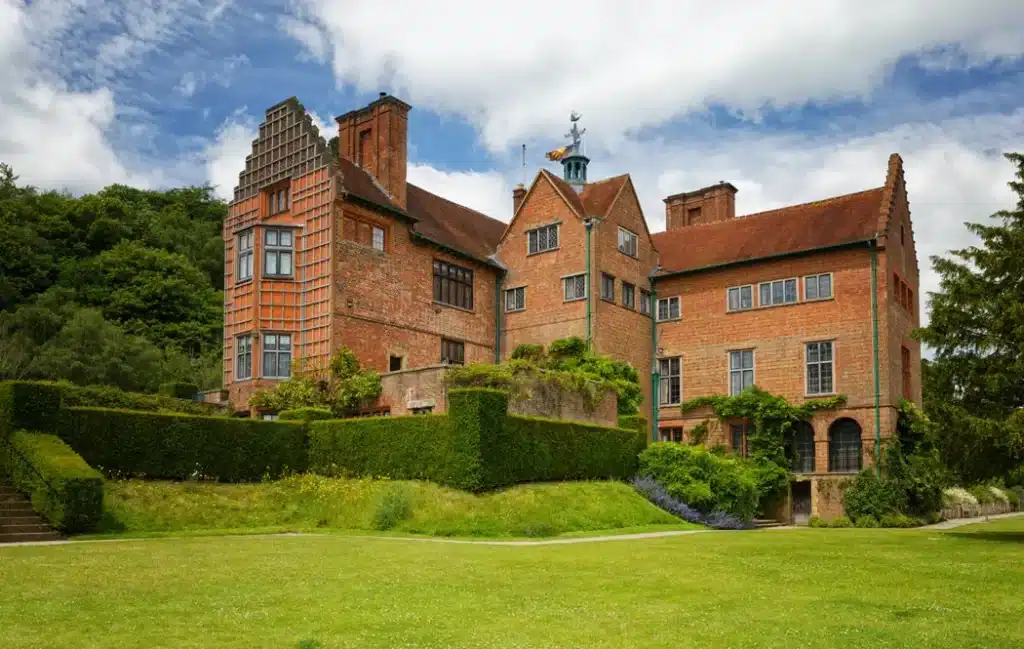
- Tudor Style : Characterized by timber framing, steeply pitched roofs, and tall chimneys.
- Jacobean Style : Blends Renaissance influences with traditional English elements.
- Palladian Style : Inspired by classical Roman architecture, emphasizing symmetry and proportion.
These variations illustrate how architecture evolved alongside broader cultural and artistic movements in Europe.
Preservation Efforts and Public Access
As societal structures changed and rural estates became less central to daily life, many manor houses faced the threat of decay or demolition. To protect this heritage, organizations such as the National Trust were established. Founded in 1895, the National Trust is dedicated to conserving natural landscapes, historic buildings, and cultural sites across England, Wales, and Northern Ireland.
Today, the Trust manages over 300 historic homes, ensuring they remain accessible to the public while undergoing ongoing maintenance and restoration.
| Key Data | Source |
|---|---|
| National Trust founded in 1895 | National Trust official website |
| Over 300 historic homes maintained by the Trust | National Trust annual report 2022/2023 |
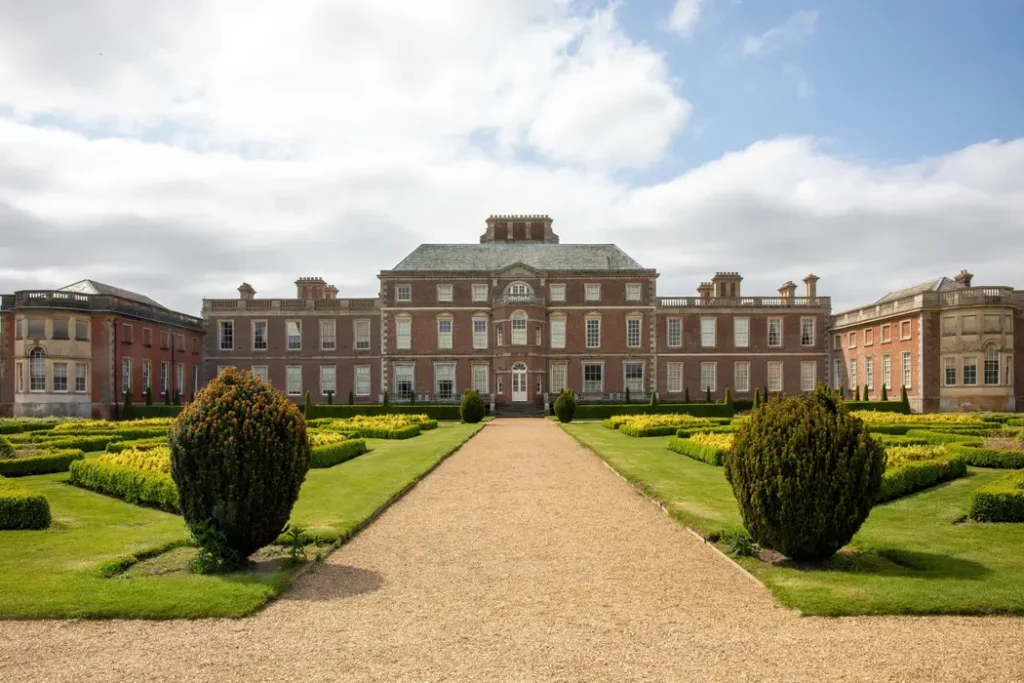
Notable Examples of Country Manor Houses
Kingston Lacy, Dorset
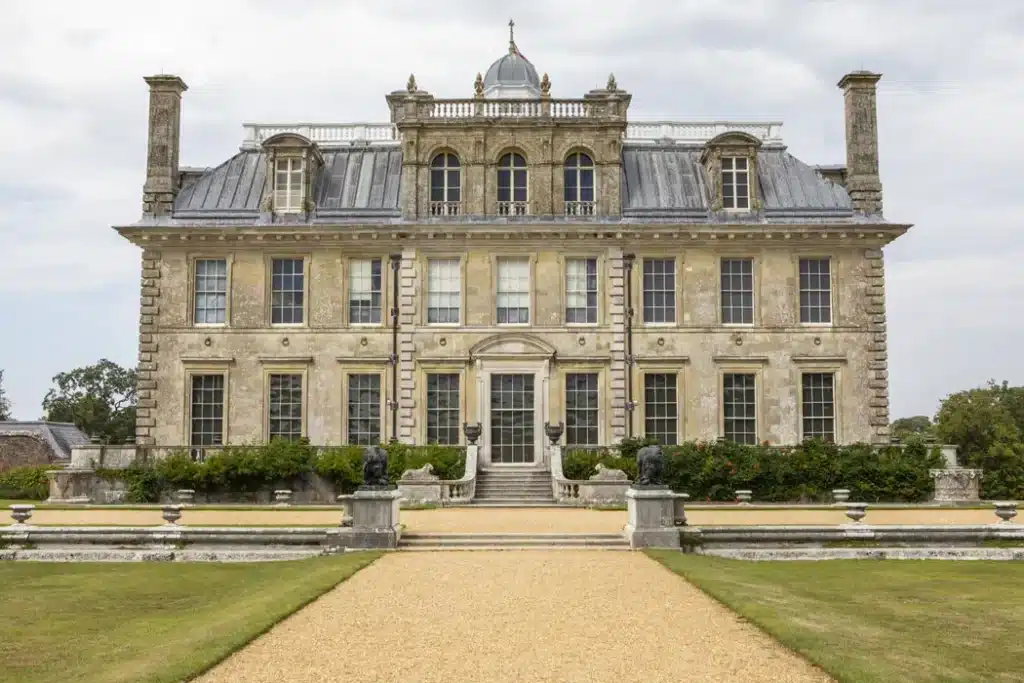
Kingston Lacy is a striking example of an Italianate-style country house. Originally built in the seventeenth century and significantly altered in the nineteenth, it reflects the eclectic tastes of its former owner, William John Bankes. The house contains an extensive collection of art and antiquities gathered from his travels, particularly from Egypt.
Visitors can explore the mansion, its gardens, and surrounding parkland. Accessibility features include Blue Badge parking, mobility scooters, and limited wheelchair access to certain areas of the house.
Belton House, Lincolnshire
Located in Lincolnshire, Belton House is a well-preserved example of late seventeenth-century architecture. It has remained largely unchanged since its construction and offers a rare insight into the domestic life of the landed gentry during the Stuart period.
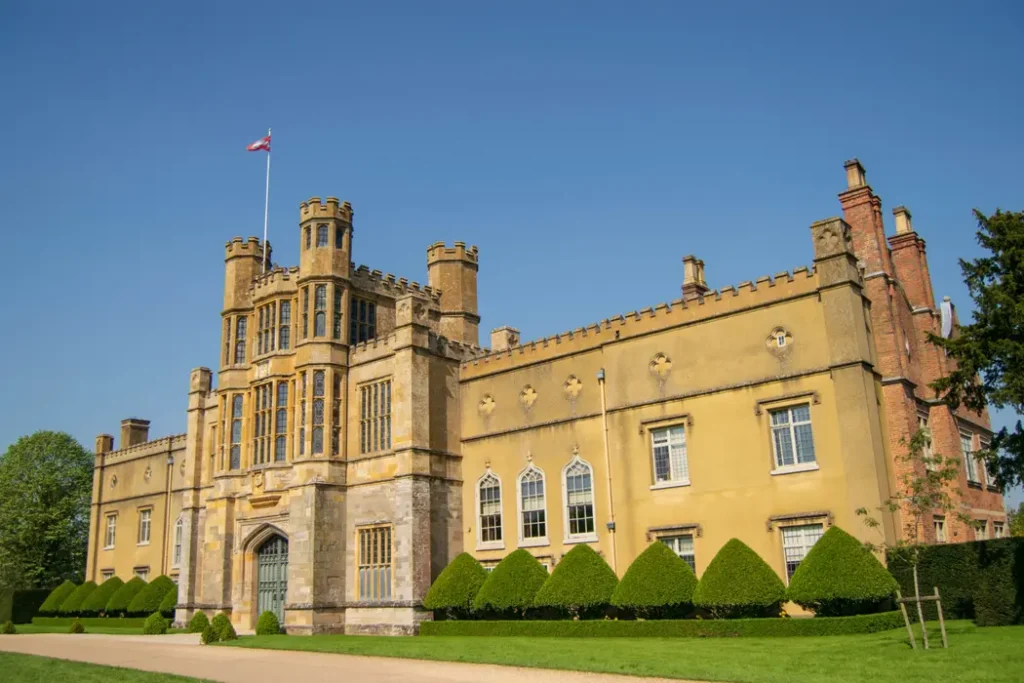
Frequently Asked Questions (FAQ)
| Question | Answer |
|---|---|
| How many country manor houses exist in England? | There are over 3,700 recorded country manor houses across England. |
| Who owns these properties today? | Ownership varies—some are privately held, while others are managed by heritage organizations like the National Trust. |
| Are these houses open to the public? | Many are open seasonally or year-round, with guided tours and educational programs available. |
| When did the manor house tradition begin? | Most were constructed between the sixteenth and eighteenth centuries, following major land redistribution after the dissolution of the monasteries. |
Summary Table
| Topic | Key Details |
|---|---|
| Historical Period | Mainly built between the 16th and 18th centuries |
| Architectural Styles | Tudor, Jacobean, Palladian |
| Preservation | Managed by institutions such as the National Trust since 1895 |
| Visitor Access | Available at most sites, with varying levels of accessibility |
| Cultural Significance | Reflects social hierarchy, economic change, and artistic trends through history |
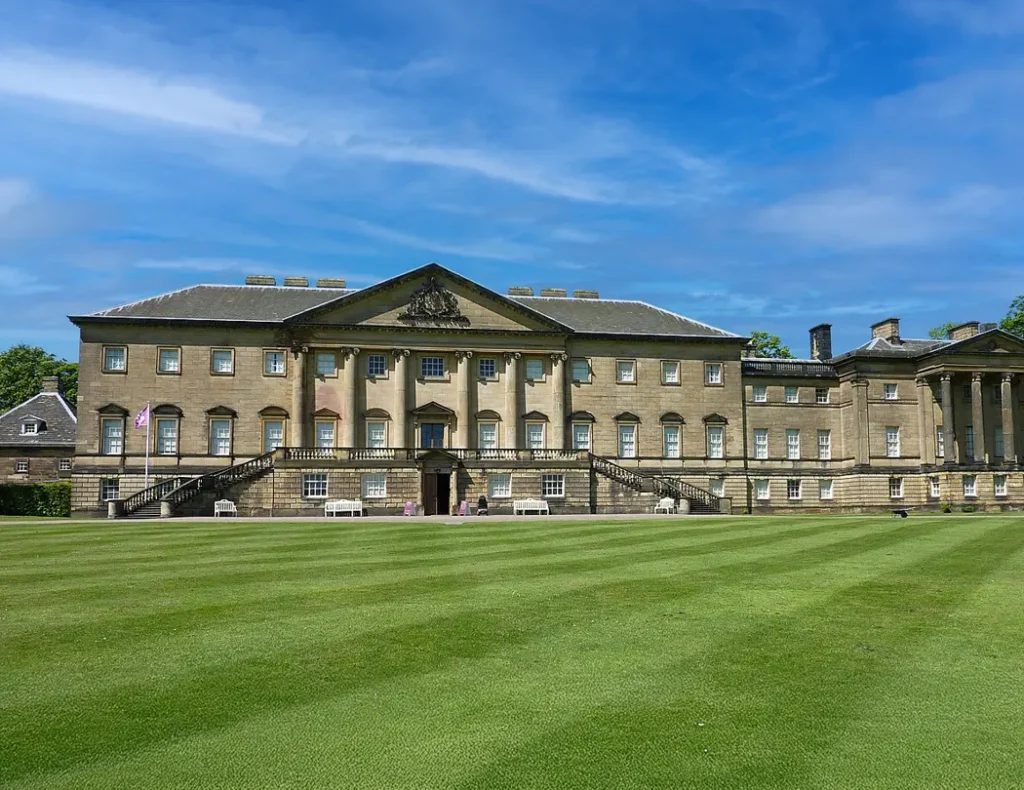
ArchUp Opinion
While English manor houses provide invaluable insight into the nation’s past, they also raise important questions about historical representation. These estates often highlight the lives of the elite while sidelining the experiences of the working classes who maintained them.
Additionally, the financial and logistical challenges of preserving these properties are significant. Restoration projects must balance authenticity with modernization, ensuring both structural integrity and visitor accessibility.
Despite these complexities, manor houses remain vital cultural assets. They offer a physical connection to the past and underscore the importance of safeguarding national heritage as part of a shared identity.