Using environmental psychology to innovate architecture

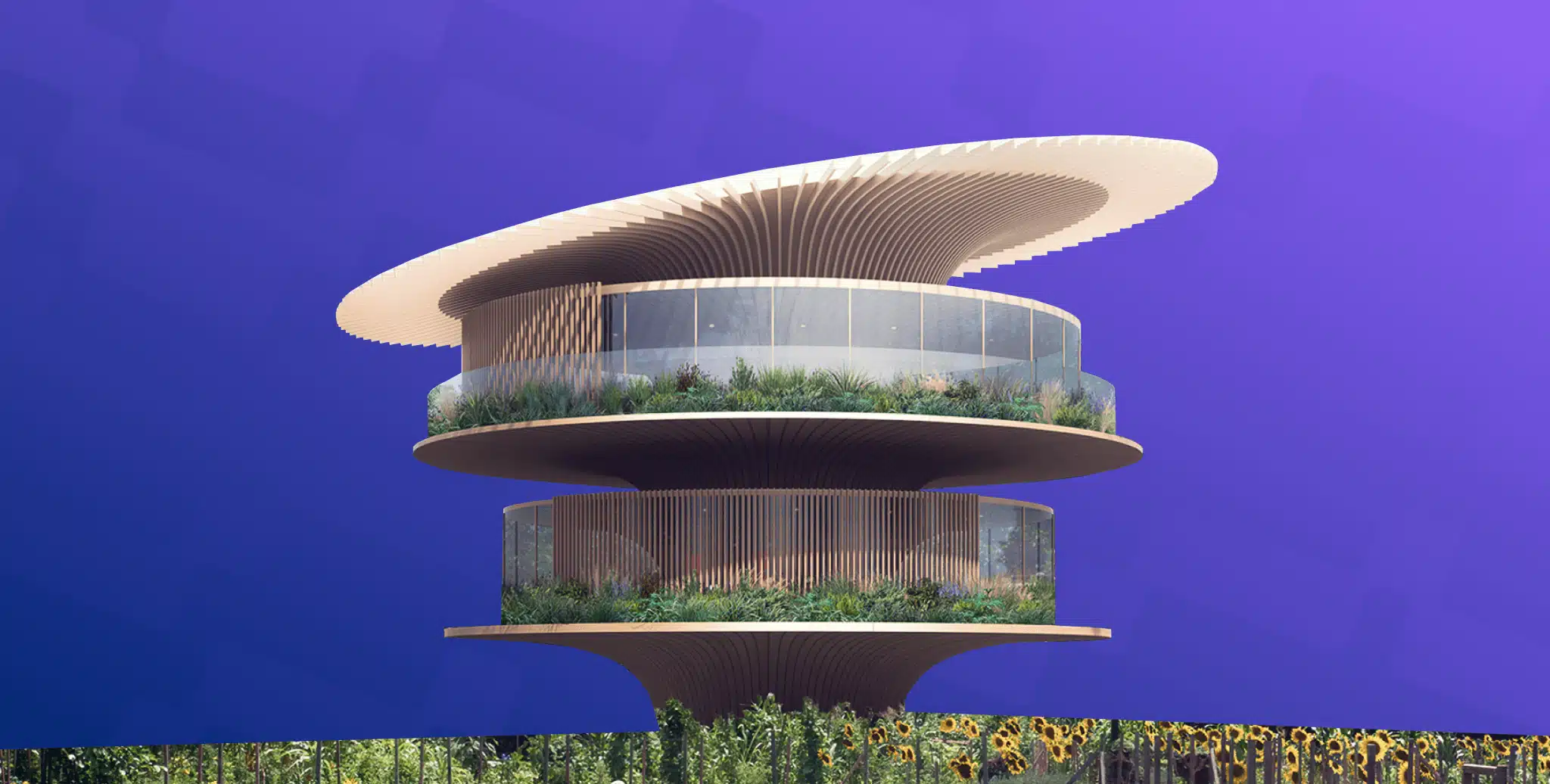
Environmental psychology is a branch of psychology concerned with studying the impact of the environment on human behavior and psychological health.
In recent years, the use of environmental psychology in architecture has become important for the design of buildings and public spaces.
The use of environmental psychology has increased in the field of architecture,
in designing buildings and public spaces in ways that enhance the comfort and psychological health of individuals.
Compatibility between environment and humans
One of the main concepts in environmental psychology is the concept of compatibility between the environment and humans.
This means that the environment must be designed in a way that suits individuals’ needs and enhances their psychological comfort.
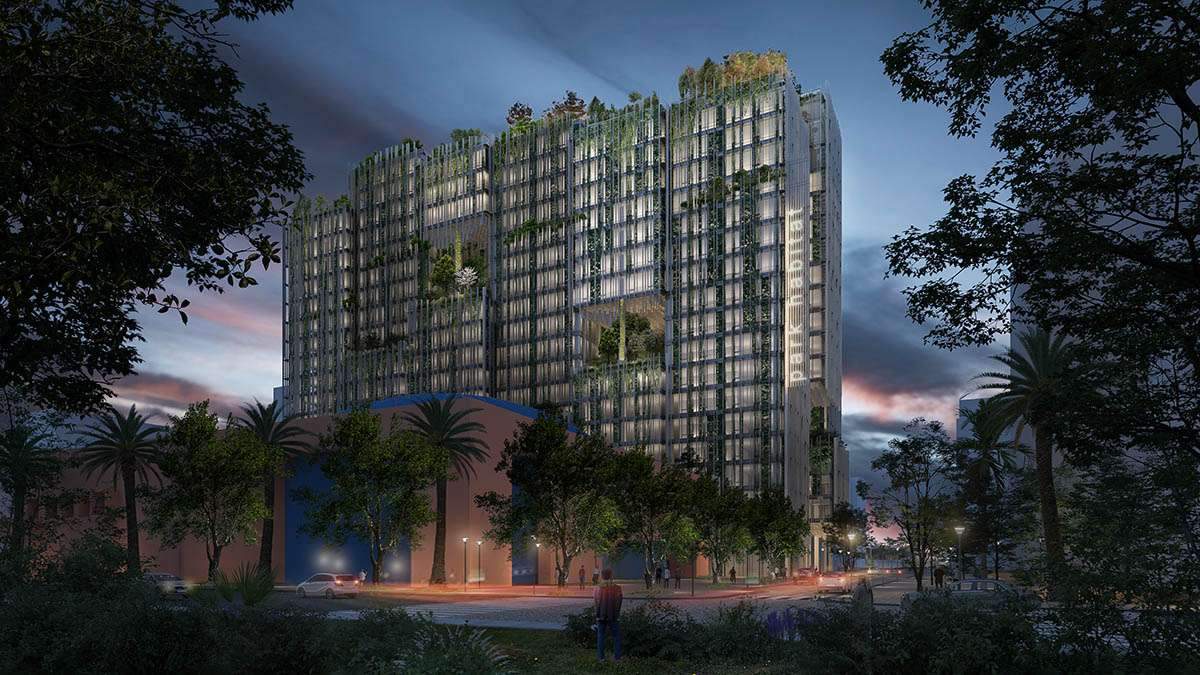
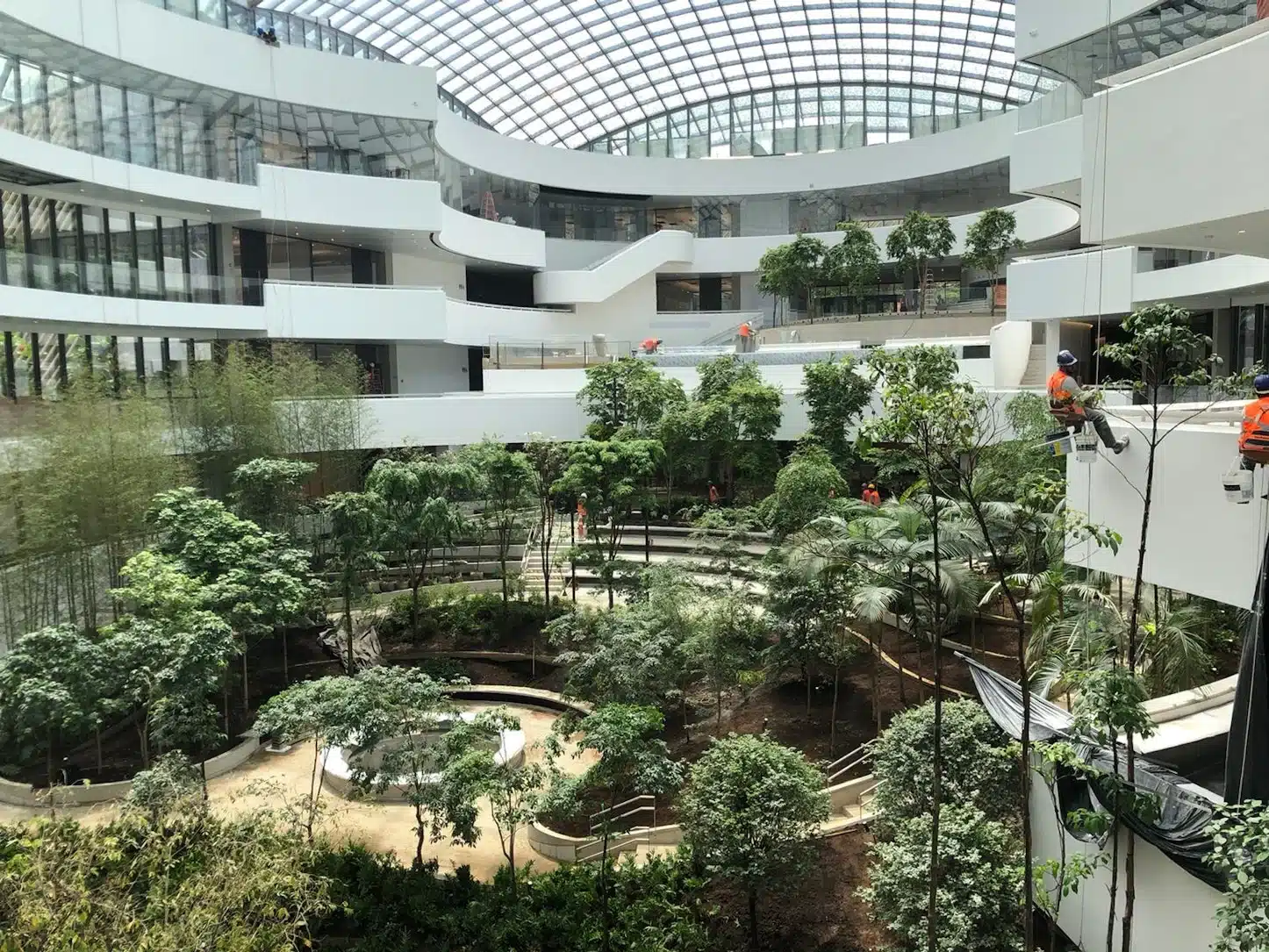
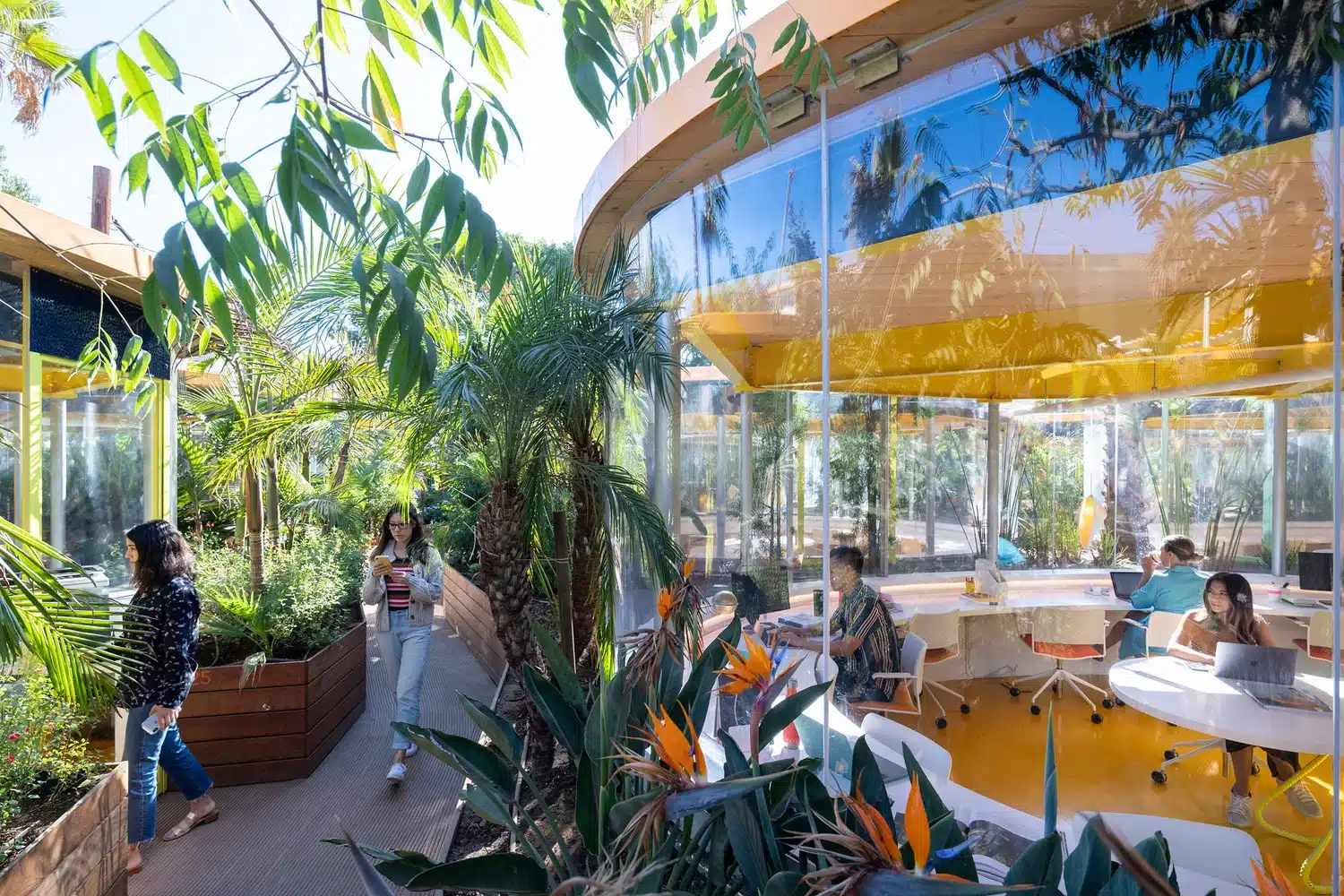
For example, the interior spaces of buildings can be designed in a way that reflects nature and provides a feeling of calm and relaxation.
In addition, environmental psychology can be used to improve the design of outdoor spaces and landscaping surrounding buildings.
Green areas and open spaces can be provided for gathering and relaxation,
in order to enhance the mental health and general well-being of individuals.
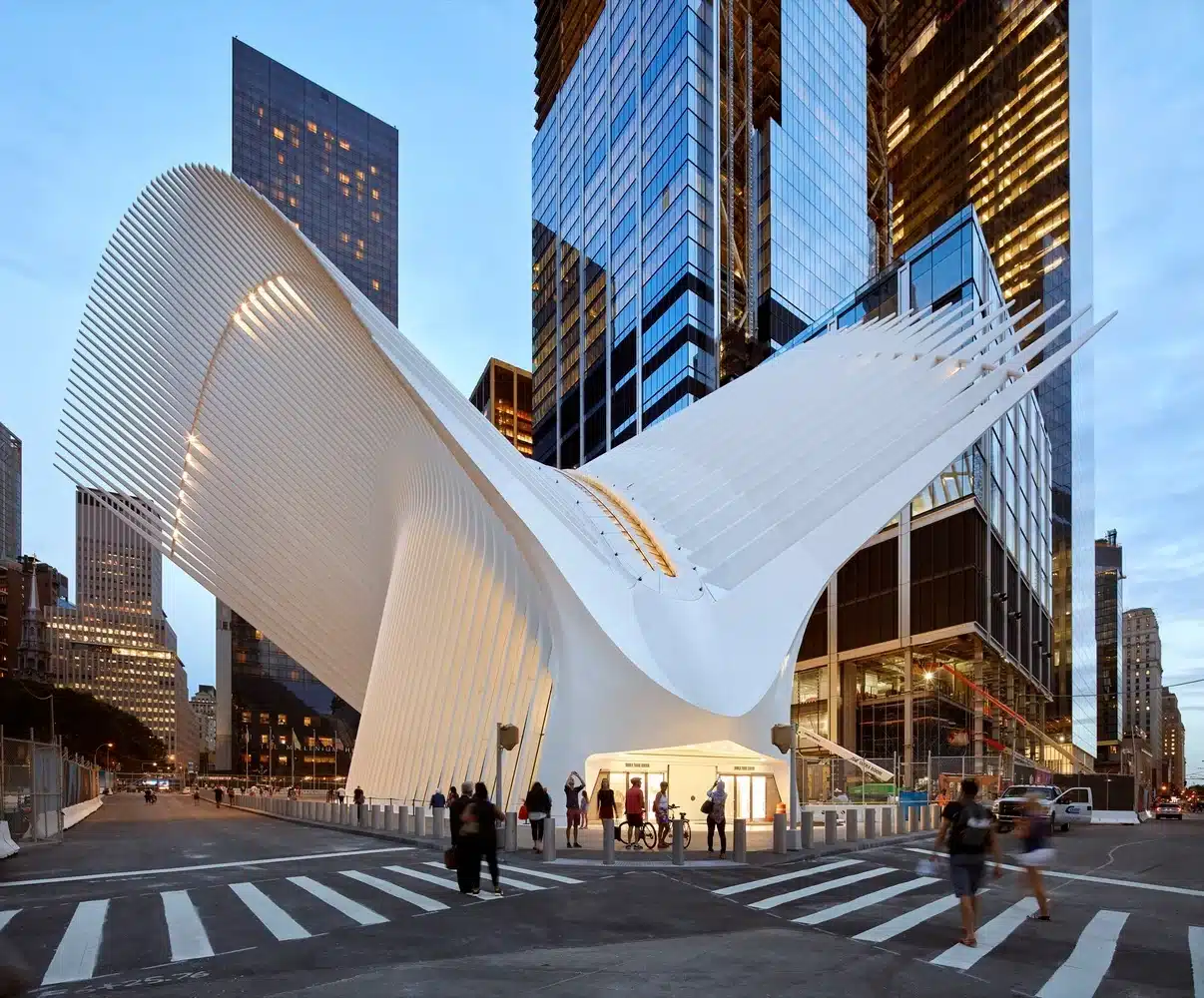
Improving people’s experience
By using environmental psychology in architecture design,
a better experience for individuals in buildings and public spaces can be achieved.
This will increase comfort, happiness,
and improve the mental health of individuals who use these spaces.
Therefore, environmental psychology should have an important role in the architecture design process.
Architecture depends on providing a comfortable and human-friendly environment,
and here comes the role of environmental psychology in achieving this.
Building design factors using environmental psychology
When designing buildings, factors such as lighting, ventilation, interior and exterior design,
and how they affect human behavior and psychological comfort are considered.
For example, environmental psychology can be used to design public spaces that encourage social interaction and communication between people.
Comfortable seating and areas for gathering and speaking can be provided,
and movement can be directed in a way that facilitates movement and interaction.
It can also be used to design environmentally friendly buildings,
provide a water recycling system and use renewable energy sources.
Which contributes to preserving the environment and reducing the environmental impact of buildings.
Conclusion
Environmental design includes all fields of design (architecture, landscape architecture, urban design, urban planning).
It examines how our surroundings are shaped by design and how those designs shape us.
There is a mutual and organic relationship between design and human psychology.
From urban design and architecture to urban planning and color schemes,
Every design decision can have a positive or negative impact on our mental health.
There are well-documented examples of how well-designed environments reduce urban stress and increase the focus and productivity of office workers.
https://archup.net/paul-revere-williams-ucla-building-gets-a-refresh-and-retrofit-from-co-architects/
But there is still hope that the field of environmental design can be rethought and combined with psychological concepts to guide the way its designs impact our mental health.
In short, it can be said that the use of environmental psychology in architecture contributes to achieving designs that are innovative and comfortable for humans,
while at the same time meeting and preserving the needs of the environment.