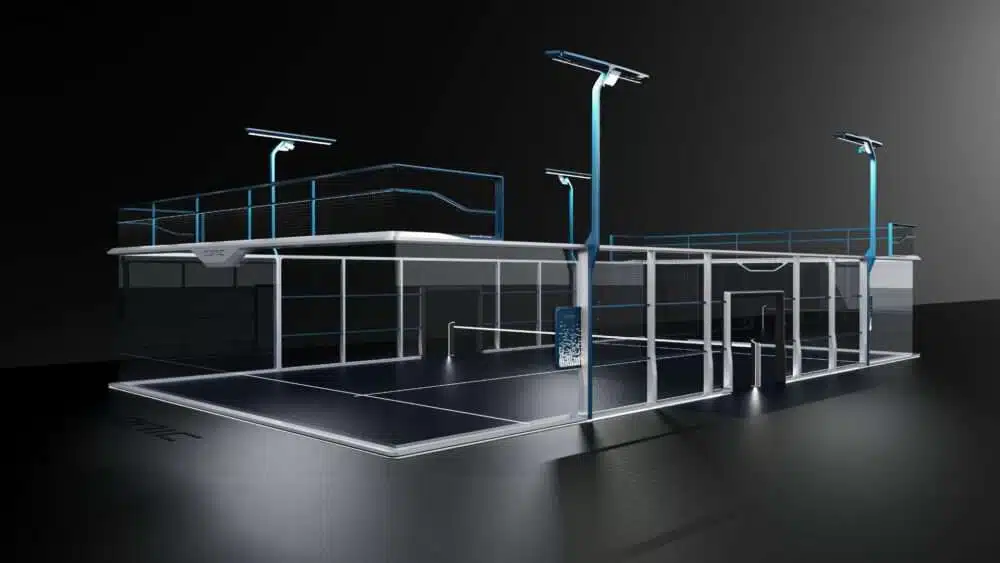
Ephemeral Architecture Pavilion Unveiled at Qinhuangdao Theater Festival

Ephemeral architecture shaped a temporary pavilion at a theater festival in Qinhuangdao, China. The structure hosted cultural activities without altering the urban fabric. It featured four lightweight modules arranged around a central courtyard and was fully demountable after the event.

Structural Logic and Material Efficiency
Slender metal trusses supported a wide canopy of waterproof, translucent polyester fabric. This material diffused daylight and enabled rapid on-site assembly. The system reflects how ephemeral architecture uses lightweight, reusable components. It aligns with best practices in temporary structures and supports sustainability by minimizing waste.

Programmatic Clarity in Transient Spaces
The layout included three reception corridors and a central service zone. Designers prioritized intuitive circulation and clear zoning. Even in short-term settings, these choices ensure functional coherence. This shows how ephemeral architecture can foster meaningful public interaction.

Urban Flexibility and Cultural Programming
Cities now use temporary installations to host festivals and exhibitions. These solutions avoid permanent changes to infrastructure. The archive documents similar projects that treat impermanence as a strategic advantage. Such approaches respond to growing demands in cities for agile cultural spaces.
Global coverage of these interventions appears in events on the architecture platform. Researchers also study time bound spatial practices in research focused on non permanent environments. Designers often explore this typology through design competitions. The editorial section analyzes how ephemeral architecture addresses urban adaptability and resource efficiency.
Architectural Snapshot: A fabric pavilion in Qinhuangdao exemplifies ephemeral architecture through demountable modules that activate public space during a theater festival with zero permanent impact.

✦ ArchUp Editorial Insight
The article documents a temporary pavilion in Qinhuangdao with factual precision, foregrounding demountability and spatial clarity. It avoids promotional language and correctly frames the structure within broader urban and material discourses. However, it leans on familiar tropes of lightweight innovation without interrogating the lifecycle of its polyester fabric or the labor behind rapid assembly. The link integration feels functional rather than insightful. Still, its refusal to mythologize the designer is commendable. In an era of fleeting cultural gestures, such anonymity may be the only honest stance though it risks rendering the project invisible within a decade of speculative ephemerality.