

Chicago’s Living Habitat 2026
11 June، 2026 @ 8:00 am - 15 January، 2027 @ 5:00 pm
$15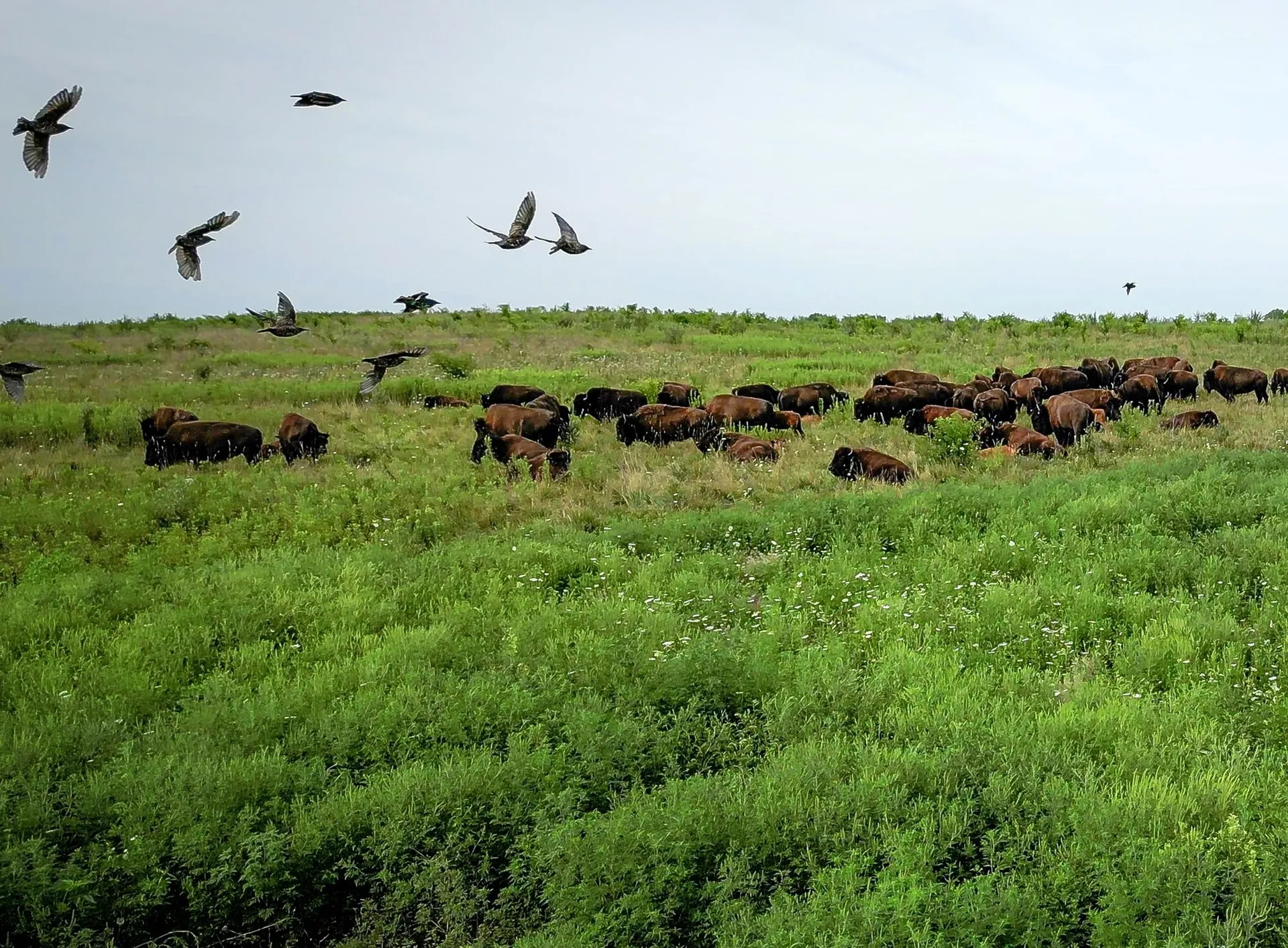
Overview
Chicago’s Living Habitat is a new exhibition co-curated by Openlands and the Chicago Architecture Center (CAC), presented in partnership with Studio Gang. It opens on June 11, 2026 and runs through January 15, 2027 at the Usher Lambe Gallery within the Chicago Architecture Center. The exhibition belongs to the fields of landscape architecture, ecological urbanism, environmental design, and the history of land stewardship in the Great Lakes region.
Focus
The exhibition explores the landscapes that sustain life across the Chicago region, from the Midewin National Tallgrass Prairie and the Hackmatack Wildlife Refuge to forest preserves, wetlands, and the urban edges where designed and natural systems meet. Its central argument is that the health of these landscapes is not natural in a passive sense but is the direct result of decades of human decisions: what has been protected, what has been lost, and what is now being restored or newly created.
For those tracking how landscape architecture and ecological thinking are reshaping how architects and urban designers relate to natural systems, ArchUp’s analysis of sustainable urban planning and its engagement with ecological infrastructure provides a useful frame for the broader disciplinary conversation this exhibition enters.
Program
The exhibition is on display for seven months and is included in standard Chicago Architecture Center admission. It is co-curated by Openlands, one of the leading land conservation organisations in the Great Lakes region, in partnership with the CAC and Studio Gang, the Chicago-based architecture and design practice founded by Jeanne Gang. The involvement of Studio Gang connects the exhibition directly to the practice’s ongoing research into the relationship between architecture and ecological systems, which Studio Gang has explored through projects including the Aqua Tower and the Lincoln Park Zoo South Pond restoration.
The exhibition is presented as a companion to Studio Gang and the CAC’s earlier exhibition Flyway City: Architecture for a Flourishing Ecosystem, which explored how urban design can support bird migration along the Mississippi Flyway. Together, the two exhibitions form an extended argument about the relationship between the built environment and regional ecological systems. Those tracking how architecture practices are engaging with landscape ecology at a programmatic level will find a direct reference in ArchUp’s coverage of how architects are shaping sustainable design in response to ecological systems.
“Today, only a small portion of the region remains protected, placing greater importance on how we invest in and care for the land going forward.”
The exhibition is explicitly framed as a story of people and nature rather than a purely scientific or technical display, positioning landscape stewardship as a civic and cultural practice as much as an environmental one. For those interested in how design institutions are expanding their curatorial mandate to include ecological and territorial questions, ArchUp’s coverage of the CONVIVIUM exhibition at the Architekturmuseum der TUM, which similarly frames food and landscape systems as architectural territory, offers a useful European parallel.
Audience
The exhibition is open to the general public and included in standard CAC admission. It is relevant to architects, landscape architects, urban planners, environmental designers, students, and general visitors with an interest in the ecological and spatial history of the Chicago region.
Event Details
| Opening Date | June 11, 2026 |
| Closing Date | January 15, 2027 |
| Venue | Usher Lambe Gallery, Chicago Architecture Center, 111 E. Wacker Drive, Chicago, IL 60601 |
| CAC Hours | Friday – Monday, 10:00 AM – 4:00 PM. Closed Tuesday – Thursday, Thanksgiving, Christmas Day, and New Year’s Day. |
| Event Type | Exhibition |
| Organiser | Openlands, Chicago Architecture Center, Studio Gang |
| Access | Open to the public, included in CAC admission |
| Fees | Adults (18+): $15 / Students with ID: $10 / Children under 5: Free / CAC Members: Free. Admission covers all CAC exhibitions including Chicago’s Living Habitat. Walking and bus tour tickets include free CAC admission valid for seven days from the tour date. |
✦ ArchUp Editorial Insight
Chicago’s Living Habitat is one of the more consequential curatorial decisions the Chicago Architecture Center has made in recent years. By partnering with Openlands, a land conservation organisation rather than an architecture institution, and with Studio Gang, whose practice has made ecological engagement a consistent design research commitment, the CAC is making an explicit argument that the built environment and the regional landscape are not separate domains. This is a position the architecture profession has been arriving at slowly and unevenly, and placing it at the centre of a seven-month exhibition in one of the most architecturally significant cities in the United States gives it a public weight that academic conferences and monographs rarely achieve. The exhibition’s framing of landscape health as the result of human decisions rather than natural process is also methodologically significant: it refuses the nature-versus-culture binary and instead positions ecological stewardship as a design and governance practice, which is precisely where landscape architecture and urban design need to be operating if they are to meaningfully engage with biodiversity loss and climate adaptation. The seven-month duration is long enough for the exhibition to reach audiences that occasional visitors and architecture professionals alone would not constitute, including school groups, neighbourhood communities, and the casual visitors who make up the majority of the CAC’s traffic. Whether the exhibition’s civic framing translates into actual changes in how the region invests in land protection is a different question, but the exhibition’s existence as a sustained institutional argument is itself a contribution to that conversation.
Closing Note
The exhibition is a well-positioned and institutionally ambitious addition to the CAC’s programme. Its seven-month run, ecological framing, and cross-sector partnerships give it a reach and relevance that extends well beyond the architecture community into the broader civic conversation about how Chicago and its region relate to the land they occupy.
Related Events


Event Data Review Notice: Event information is collected and edited by ArchUp’s human Events Desk. Since 10 September 2026, Archive Data Agent, an AI-assisted verification account operating under the ArchUp Events Desk, has provided a secondary review layer to identify and correct routine human data-entry inconsistencies, including dates, schedules, locations, and currency conversions. Final editorial responsibility remains with ArchUp.