Fields of Being: Traditions of Architecture in Yunnan, China مجالات الوجود: تقاليد العمارة في يونان ، الصين

Fields of Being: Traditions of Architecture in Yunnan, China

Home » Events » Fields of Being: Traditions of Architecture in Yunnan, China

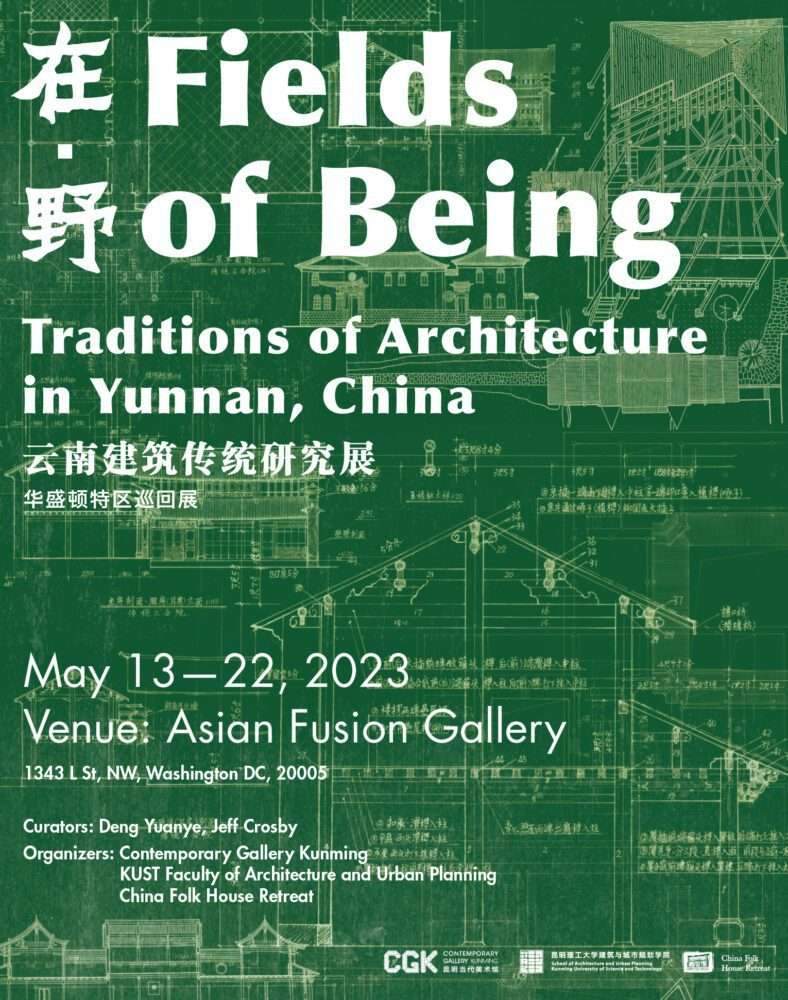
Fields of Being: Traditions of Architecture in Yunnan, China

Fields of Being: Architecture Traditions in Yunnan, China, is an exploration of the rich architectural heritage of China’s most culturally diverse province at the crossroads of China, Southeast Asia, and the Himalayas. The exhibition features research by the Kunming University of Science and Technology, China Folk House Retreat, and other institutions regarding unique architectural forms and practices in the province. The exhibition also presents cases of contemporary architecture inspired by these traditions.

Furthermore, Divided by steep mountains and deep valleys, Yunnan Province is a major global hotspot for biological and cultural diversity. Ancient and unique architectural traditions continue to thrive in the countryside, with architectural styles and techniques varying widely from one valley to the next. From the stilted houses found across tropical Southeast Asia to the ornate timber frame architecture of the Himalayan foothills. Also, Yunnan is a living museum of Asia’s architectural heritage. This exhibition celebrates that heritage while exploring the ways a new generation of architects is employing this legacy in contemporary design.

The exhibition also presents the China Folk House Retreat, a farmhouse from the Tibetan region of Cizhong, in northwest Yunnan. That was dismantled and relocated to Harper’s Ferry as a center for cultural exchange and education.

“Fields of Being: Architecture Traditions in Yunnan, China” was created in partnership with Contemporary Gallery Kunming. The Kunming University of Science and Technology Faculty of Architecture and Urban Planning, and the China Folk House Retreat. Moreover, The exhibition was originally conceived and staged at Contemporary Gallery Kunming in 2022.


Read more on Archup:

Life Between Buildings

https://archup.net/change-festival/


Further Reading From ArchUp

  • Originality Deconstructed: Ace Hotel DTLA

    On view at Ace Hotel DTLA from March 17-26, 2023, the Be Original Americas: Originality Deconstructed exhibition completes the three-city exhibition with the largest number of exhibitors and a collaboration with Rago/Wright Auction taking place live and online on March 25th, 2023.The public, guests and design lovers will flock to the exhibition which celebrates creativity by pulling back the curtain on the

  • The City is [NOT] a Tree: The Urban Ecologies of Divided Cities

    Architecture Event: The City is [NOT] a Tree: The Urban Ecologies of Divided Cities THE CITY IS [NOT] A TREE:…

  • Tackling Water Insecurity in South Asia: The Case for Reviving Historic Water Management Systems

    Tackling Water Insecurity in South Asia: The Case for Reviving Historic Water Management Systems Hitis (Water Fountains) of the Kathmandu Valley, Nepal. Photo courtesy of World Monuments Fund.Join World Monuments Fund (WMF) for panel discussion exploring ongoing efforts to tackle water insecurity in South Asia by reviving historic water management systems in India and Nepal.

  • 2021 AIK International Architecture Exhibition

    Wednesday, Apr 21, 2021 9 AM — Friday, Apr 23, 2021 9 PM JST Seogwipo-si, Jeju-do (Jeju island) | 224 Jungmungwangwang-ro, Jungmun-dong, Seogwipo-si, Jeju-do, Republic of…

  • 20.10.20: Iwollo Oghe Memorial Police Station

    20.10.20: Iwollo Oghe Memorial Police Station This virtual charrette will commemorate the 2nd anniversary of the Lekki massacre of 20.10.20…

  • Long Life, Low Energy: Designing for a Circular Economy

    Long Life, Low Energy: Designing for a Circular Economy Long Life, Low Energy: Designing for a Circular Economy © Agnese Sanvito Share ShareFacebookTwitterMailPinterestWhatsappOrhttps://www.archdaily.com/992003/long-life-low-energy-designing-for-a-circular-economyThis exhibition demonstrates how the principles of the circular economy can help create more sustainable, net zero architecture for the future.RIBA’s Built for the Environment report shows that 40% of global greenhouse gas

Leave a Reply

Your email address will not be published. Required fields are marked *