First Moon Hotel: A Tourism Structure on the Lunar Surface, 2026

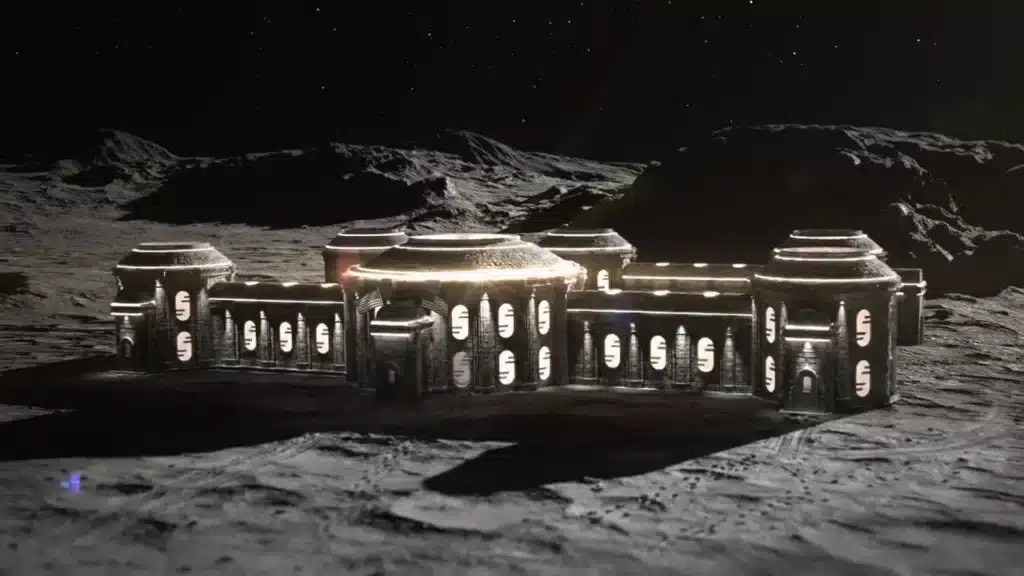
First Moon Hotel targets operational deployment on the Moon by 2032. California based GRU Space leads the project. It uses advanced construction methods and in situ resource utilization to cut Earth dependent logistics. The initiative aligns with emerging off world sustainability frameworks and has drawn investor interest from entities linked to Nvidia, Y Combinator, SpaceX, and Anduril.

How Will the First Moon Hotel Be Built?
GRU Space plans a 2029 test mission. This mission will validate inflatable habitat deployment and regolith based building materials. Engineers will convert lunar soil into structural components. This approach reduces payload mass from Earth and supports scalable buildings in extreme environments. The first module built on Earth will host four guests for multi day stays. Designers expect it to operate for ten years.
Local regulations significantly influence architectural design.
What Does It Mean for Space Tourism?
The First Moon Hotel opened refundable reservations despite its 2032 launch target. Deposits range from $250,000 to $1 million. Nightly rates may start near $410,000. This reflects the high engineering and logistical costs of lunar operations. The project targets wealthy spaceflight participants and adventure travelers. It mirrors early commercial aviation economics. The concept treats outer space as a new frontier for human settlement and cities like infrastructure.
Skepticism remains about the timeline. Yet the published roadmap and technical backing suggest serious intent. If realized, the First Moon Hotel could set precedents for architectural design in vacuum and radiation-heavy settings. It may redefine how architects approach habitable volumes beyond Earth.
Researchers might later catalog the project in the global archive of spatial habitats. It also invites research into inflatable geometries, lunar derived composites, and human centered interior design under microgravity like conditions. Unlike terrestrial tourism, this model blends hospitality with infrastructure prototyping. Each guest stay could generate data for long-term lunar presence.
Private-sector capabilities continue to expand. Projects like the First Moon Hotel signal a shift from symbolic missions to functional architectures beyond Earth. Future phases might integrate fully regolith printed modules. That could turn the original concept into a modular campus rather than a single destination.
Architectural Snapshot
The First Moon Hotel redefines hospitality as a vector for permanent off world habitation.

✦ ArchUp Editorial Insight
The First Moon Hotel is the logical outcome of off world investment appetite + high engineering complexity + regulatory caution. Repeated behaviors include pre-selling luxury experiences before operational readiness, reflecting early aviation like economic strategies. Institutional frameworks prioritize risk mitigation, insurance logic, and testable scalability, shaping decisions around inflatable habitats and regolith derived materials. Economic pressures enforce payload minimization, CAPEX efficiency, and ROI-focused modularity, while technical tools advanced simulation, in-situ construction, and prefabrication dictate operational feasibility. Cultural assumptions of status, exclusivity, and adventure consumption influence guest capacity and pricing models. The architectural outcome manifests as modular, low mass structures optimized for safety, expandability, and operational feedback loops, with human habitation functioning simultaneously as infrastructure testing and data generation.