Home » Events » Forecast and Fantasy: Architecture Without Borders, 1960s–1980s

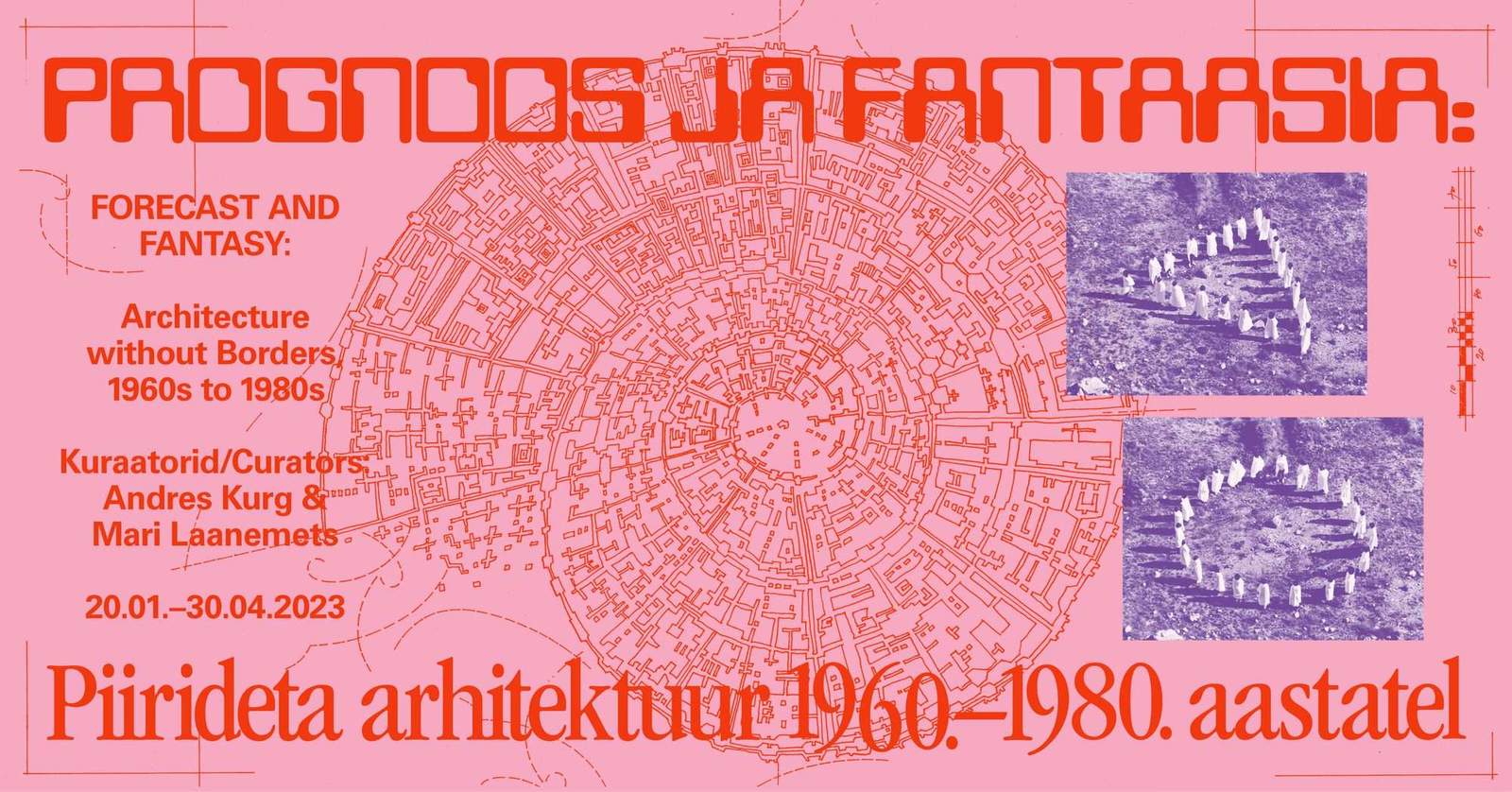
Forecast and Fantasy: Architecture Without Borders, 1960s–1980s
Forecast and Fantasy: Architecture Without Borders, 1960s–1980s التوقعات والفانتازيا: عمارة بلا حدود ، الستينيات والثمانينيات

Forecast and Fantasy: Architecture Without Borders, 1960s–1980s

This exhibition stages a meeting point for scientific predictions and futuristic fantasies in architecture and art from the 1960s to the 1980s. Bringing together authors from Eastern Europe and the West, the exhibition will display works that emerged from the new technological reality that followed the Second World War. And which took it along unexpected paths: foreseeing the replacement of work with games and collective pleasures in computerized societies. Turning away from the overarching machine logic and replacing it with myths and romantic ideas of the human being. Or looking for traces of other civilizations from space, instead of conquering it.

A utopia of quantification and of scientific planning, of the separation of life and work, was replaced by a striving towards harmony between the machine and nature, the mind and the body. These projects are extensions of a technologized world, ironic and absurd situations that present a critique of rationalism. And speak of the contradictions of late modern society, demonstrating at the same time both its intellectual horizons and the limits of its utopian fantasies.

The exhibition will also attempt to rethink the relationship between art and architecture during this period. The so-called ‘paper architecture’ has withdrawn from active design practice and that in retrospect has been presented through separate national schools.

The exhibition will present the works of the following architects, artists, and groups. Including Archizoom, Yuri Avvakumov, Alexander Brodsky & Ilya Utkin, Igor Dřevíkovský & David Vávra, Dvizhenie, Stano Filko, István B. Gellér, Jozef Jankovič, NER, Tiit Kaljundi, Jevgeni Klimov, Mari Kurismaa, Kai Koppel, Vilen Künnapu, Leonhard Lapin, Hardijs Lediņš. Moreover, Avo-Himm Looveer, Kirmo Mikkola, Stefan Müller, Jüri Okas, OHO, Ain Padrik, Alessandro Poli, László Rajk. Additionally, Toomas Rein, Sirje Runge, Superstudio, Tõnis Vint, and others.

Curators: Andres Kurg, Mari Laanemets
Assistant: Kristina Papstel
Design: Kaisa Sööt, Indrek Sirkel.
 

Finally, read more on Archup:

Further Reading From ArchUp

  • Climate Forward

    Climate Forward Thursday, Sep 21, 20238 AMEDT New York, NY, US | The Times Center, 242 W. 41st St Covering the world’s biggest story. 
From every angle. Join us at The Times Center for a day of live journalism, exploring where the solutions to the climate crisis stand today and what might come next.From world

  • Dutch Design Week

    Dutch Design Week,Dutch Design Week aims to set a live track for a live stage in Eindhoven in 2021,and hold…

  • Ecocity World Summit 2023

    Ecocity World Summit 2023 Tuesday, Jun 6, 20239 AM — Thursday, Jun 8, 20235 PMCEST London, GB | Barbican Centre, Silk Street, EC2Y 8DS Thinkers, innovators, and urban stakeholders from across the globe are assembling in London to discuss the future of our cities at a time of climate emergency and define the next steps

  • Max Fordham: Engineering Ideas, Engineering Change

    Max Fordham is pleased to announce a special exhibition celebrating the life and work of its founder, Max. Max Fordham (1933 – 2022) was a visionary engineer and pioneer of low-energy, sustainable building design. His courage, intellectual rigour and engaging personality allowed

  • ARCHICOLLAGES / The Exhibition Celebrating 40 Years of Ewa P. Porębska’s Work in Architectural Media

    ARCHICOLLAGES / The Exhibition Celebrating 40 Years of Ewa P. Porębska’s Work in Architectural Media Fragment of the exhibition; photo by Jerzy Porębski Share ShareFacebookTwitterMailPinterestWhatsappOrhttps://www.archdaily.com/994791/archicollages-the-exhibition-celebrating-40-years-of-ewa-p-porebskas-work-in-architectural-mediaExhibition concept: “Architecture requires knowledge. Broad, humanistic knowledge – necessary for the concept creation, as well as exacting, technical knowledge – necessary for the construction process. It also requires openness, a

  • Andrea Branzi’s “Contemporary DNA”

    Title: “Contemporary DNA”Date: 10:00 AM March 2 to 6:00 PM April 22, 2023Venue: Friedman Benda New YorkAddress: 515 W 26th St 1st FloorSubway: C or E train to 23rd StreetEvent Website: www.friedmanbenda.comIn the seminal Florence designer and architect’s third solo exhibition at Friedman Benda, Andrea Branzi’s post-war voice transmutes intuitive

Leave a Reply

Your email address will not be published. Required fields are marked *