
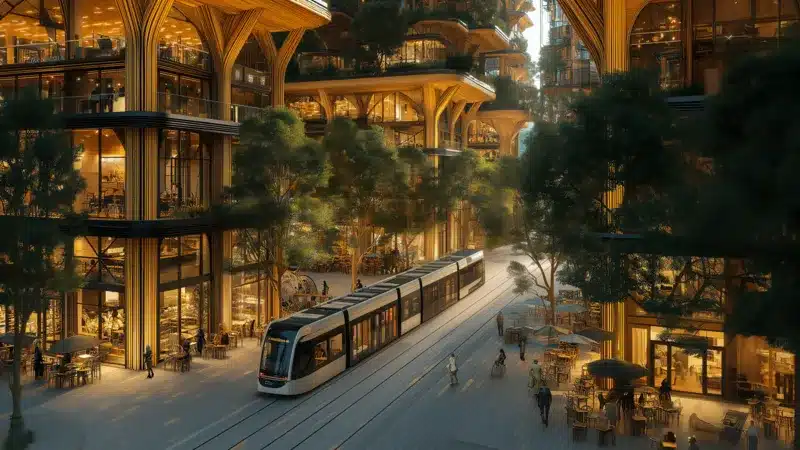
Forest City Proposal Challenges Conventional Urban Expansion

The Forest City proposal plans a new city for up to one million people. It targets farmland between Newmarket and Haverhill in west Suffolk. The site lies east of Cambridge. The project includes 400,000 homes and a 12,000-acre forest. Entrepreneurs Shiv Malik and Joseph Reeve lead the initiative. Architect Steve McAdam advises on planning. The scheme operates outside official planning frameworks. It uses a community land trust to manage costs.
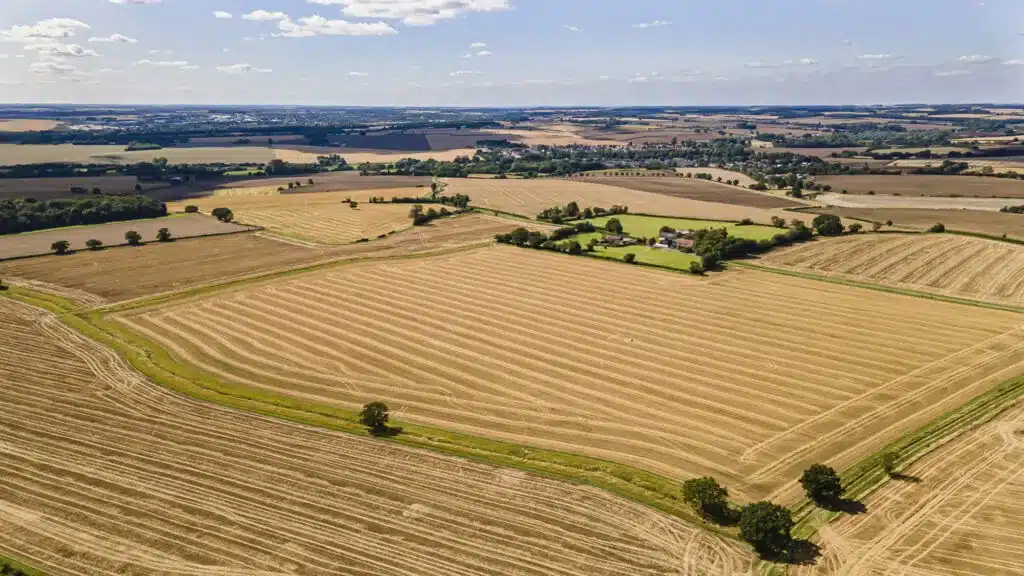
Design Concept and Planning Autonomy
This project differs from state-led masterplan efforts. The Forest City proposal stems from private initiative. It lacks input from local authorities or regional strategies. McAdam worked on the King’s Cross redevelopment. He calls this approach disruptive. It avoids traditional developers and public agencies. This raises questions about oversight. Large urban projects usually follow democratic processes.

Construction Strategy and Material Assumptions
No technical documents have been released yet. Material choices remain undefined. Engineering methods are still speculative. Farmland soils may pose drainage issues. A clear building materials plan is missing. Without geotechnical research, feasibility is uncertain. The Forest City proposal lacks constructible details.

Sustainability Claims and Land Use Ethics
The plan sets aside 12,000 acres for woodland. Yet it converts productive farmland to urban use. This conflicts with national food security policies. The land trust aims to cap home prices. A four bedroom house would cost £350,000. But infrastructure and land costs may offset savings. The Forest City proposal favors housing supply over rural ecology.

Urban Integration and Governance Gaps
It references the Oxford–Cambridge innovation corridor. But it has no formal link to regional infrastructure. Local MP Nick Timothy called it ridiculous. Over 1,200 young people support the idea online. No public consultation has taken place. Privately driven urban growth may bypass planning safeguards.
Can this model offer a real alternative or weaken public planning systems?
Architectural Snapshot: The Forest City proposal imagines a million person city on Suffolk farmland using a land trust, but no formal plans exist yet.
✦ ArchUp Editorial Insight
The Forest City proposal blends generational housing frustration with an underdeveloped urban vision lacking technical or ecological validation. Its narrative critiques institutional failure yet offers no alternative governance, leaning more on manifesto than methodology. Still, it rightly exposes the broken economics of land in conventional development. While the proposal itself may fade, the land affordability question it raises will endure long after planning debates move on.




ArchUp: Technical Analysis of the Proposed Forest City in West Suffolk
This article provides a technical analysis of the “Forest City” proposal as a case study in private and controversial urban development models that challenge traditional planning systems. To enhance archival value, we present the following key technical and design data:
The proposal aims to create a new city on agricultural land between the towns of Newmarket and Haverhill in West Suffolk, UK, east of Cambridge. The project plans to accommodate up to one million residents across 400,000 housing units, with 12,000 acres (approximately 4,860 hectares) designated as woodland. The initiative is a private venture led by entrepreneurs Shay Malik and Joseph Reeve, without formal oversight from local or national authorities.
The financing and planning model is based on a community land fund intended to stabilize housing costs and ensure affordability, proposing a price of £350,000 for a four-bedroom house. However, detailed technical or engineering documents have not been disclosed, including building material options, geotechnical feasibility studies, or infrastructure plans (water, sewage, energy, transportation). Architect Steve McAdam serves as a planning advisor and has described the approach as “disruptive” to traditional practices.
In terms of challenges and controversy, the proposal faces strong opposition due to the conversion of productive agricultural land to urban use, which conflicts with national food security policies. Local MP Nick Timothy has criticized it as “nonsensical,” and it lacks public consultation and a clear governance framework. The project has garnered support from over 1,200 young people online, reflecting frustration with the housing crisis, but it raises concerns about bypassing democratic planning mechanisms and environmental oversight. The central question remains whether such ambitious visions can be realized outside established institutional frameworks.
Related Link: Please refer to this article for a discussion of other ambitious urban planning projects in different contexts:
The Honu City Master Plan Aligns with Mongolia’s 2050 Vision
https://archup.net/hunnu-city-master-plan-mongolia-vision-2050/