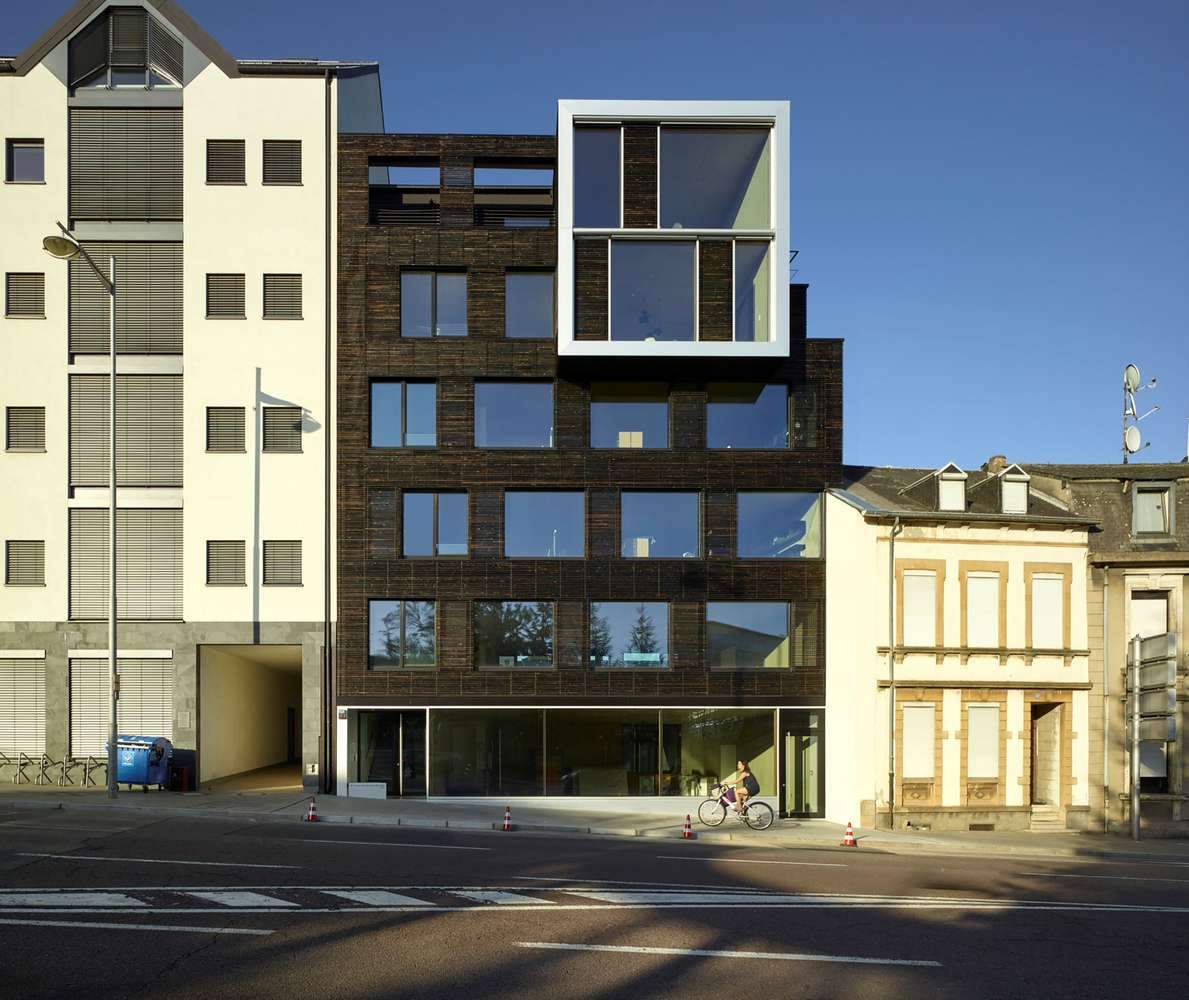
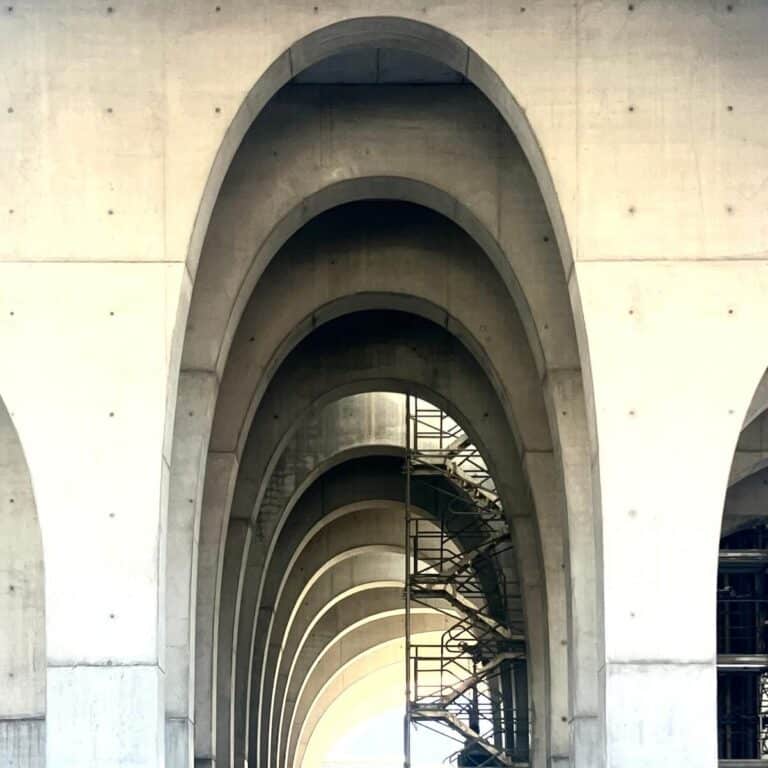
Rehabilitation of historical buildings in the Arab world

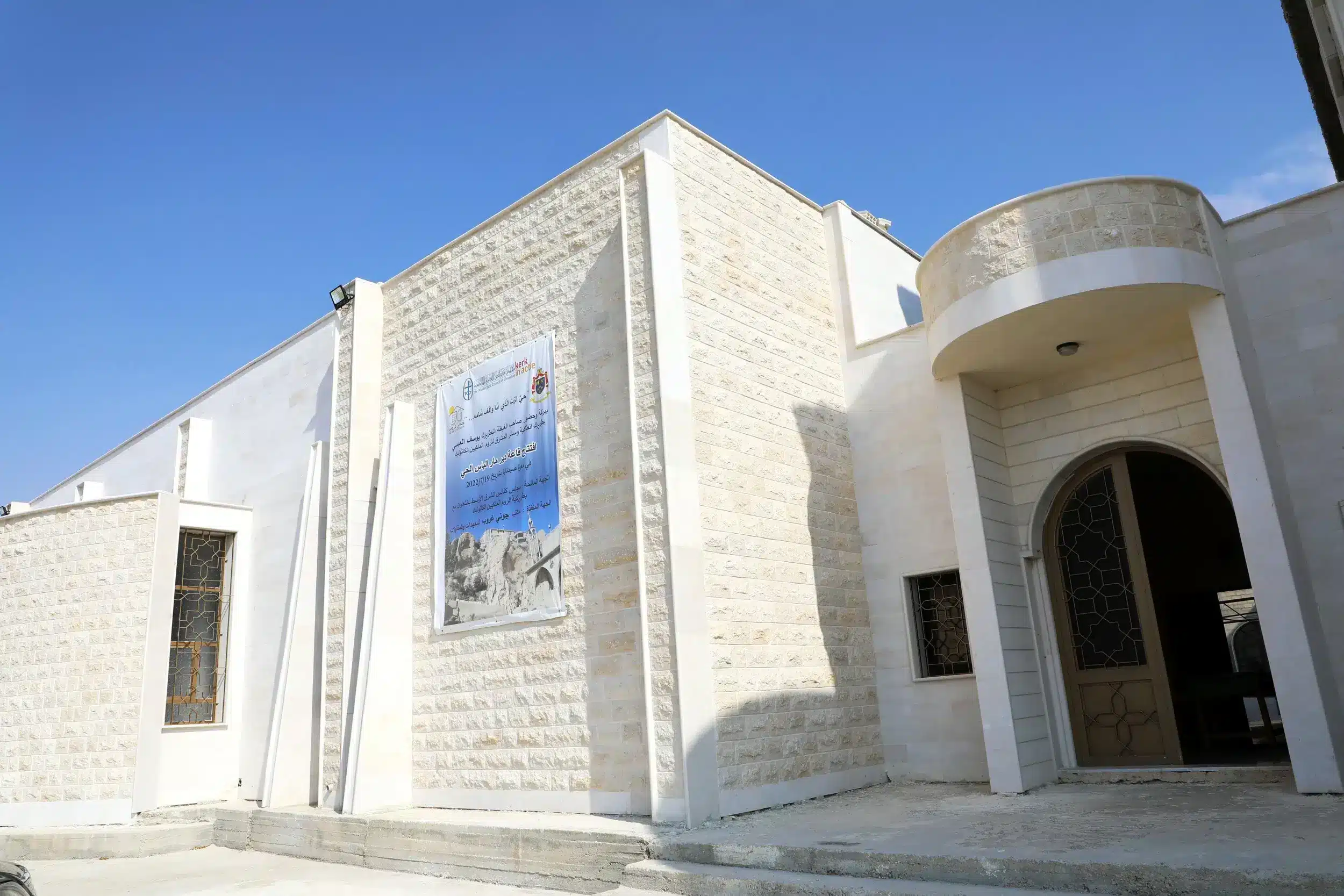
Rehabilitation of historical buildings in the Arab world
Rehabilitation of historical buildings in the Arab world,
Historic buildings are an important part of the cultural heritage of communities and stand as a witness to their history and development.
However, these buildings may be threatened by neglect, erosion or natural factors.
Therefore, the rehabilitation of these buildings is essential to preserve them for future generations.

Challenges for rehabilitation of historic buildings
The rehabilitation of historic buildings faces many challenges, including:
the cost:
Rehabilitating historic buildings is an expensive process, especially if the buildings are in poor condition.
According to a study conducted by the United Nations Educational,
Scientific and Cultural Organization (UNESCO), the average cost
of rehabilitating a historic building is about US$500,000.
the time:
Rehabilitating historic buildings can take a long time, especially if the buildings are large or complex.
Rehabilitation of a large historic building can take up to 10 years or more.
Skills:
Rehabilitation of historic buildings requires specialized technical skills and knowledge.
A must-have for contractors and architects working on historic building rehabilitation projects
Knowledge of traditional techniques and materials used in constructing these buildings.
Permits:
Permits may be required from relevant authorities before rehabilitating historic buildings.
Some countries may require permission from the National Heritage Department before making any changes to a historic building.
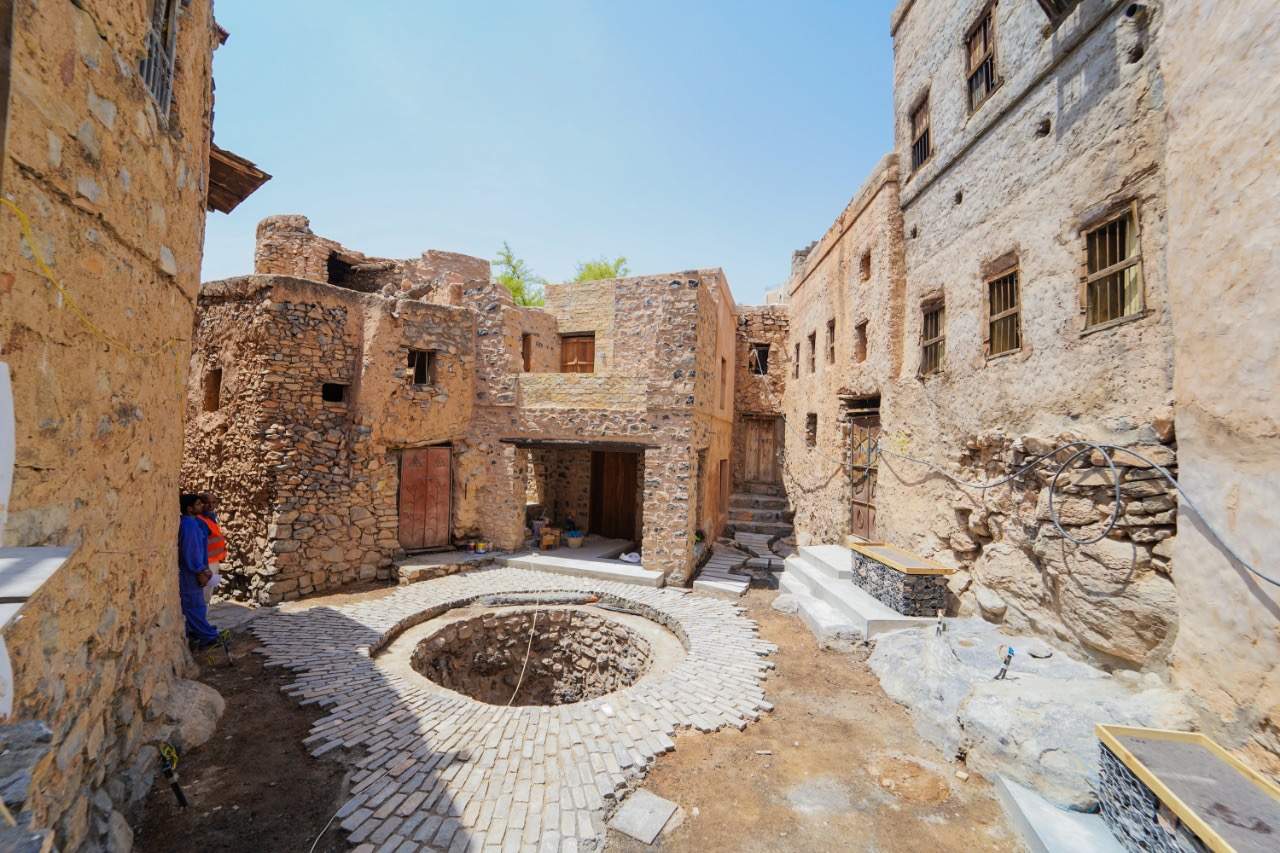
The importance of rehabilitating historical buildings
Rehabilitation of historic buildings is important for many reasons:
it helps preserve the cultural heritage of communities, revitalizes the local economy,
and improves the quality of life.
Heritage Preservation: Rehabilitation of historic buildings helps preserve
the cultural heritage of communities, as this process can help preserve
historic buildings that reflect the history and culture of the community.
Economic Revitalization: Rehabilitating historic buildings can revitalize the local economy by attracting tourists and creating jobs.
Rehabilitated historic buildings could become available to the public as museums or cultural centers, which could attract tourists to the area.
These buildings can also provide job opportunities for local companies that provide rehabilitation or maintenance services.

Steps to rehabilitate historical buildings
The steps for rehabilitating historical buildings can be summarized in the following points:
Evaluation: An evaluation of the building is conducted to determine its condition and needs.
The evaluation must include an examination of the building from the inside and outside to identify any damages or problems.
Planning: A rehabilitation plan is developed that specifies the goals and necessary steps.
The rehabilitation plan must take into account the condition of the building and its needs,
as well as the available budget.
Implementation: The plan is implemented under the supervision of experts,
and the rehabilitation work must be carried out by experienced contractors and architects.
Maintenance: Regular maintenance is carried out on the building to keep it in good condition,
and maintenance work must be carried out by experienced contractors and architects.
See More: Building a safe home and the importance of engineering supervision at all stages of construction