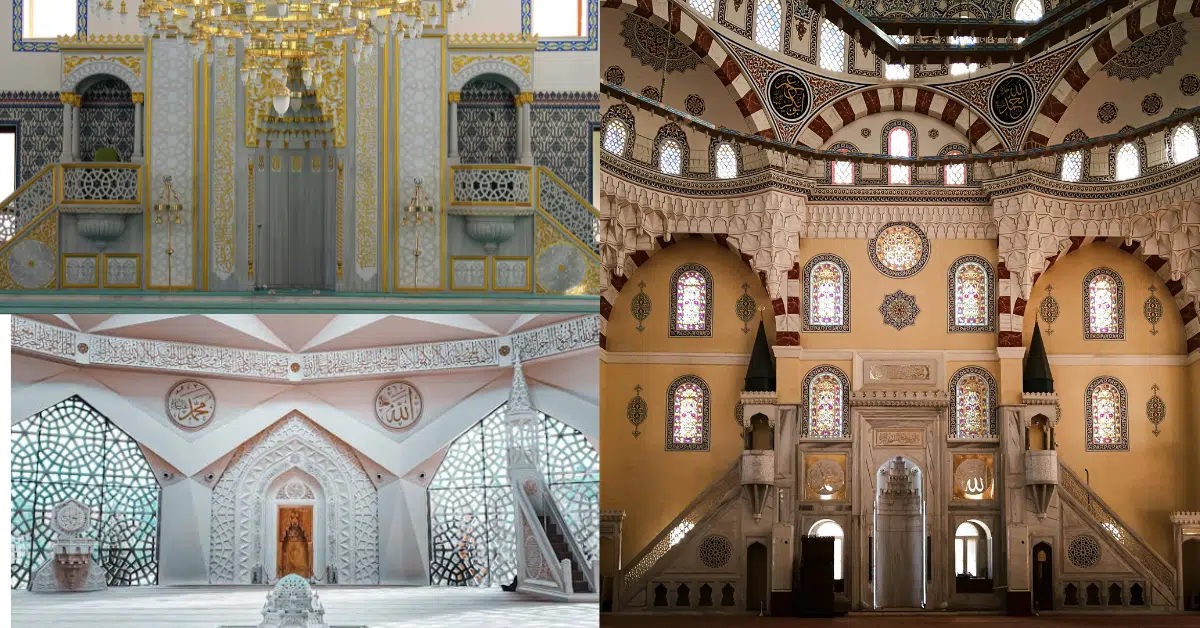
How Walls Listen to Prayer

A Journey into the Acoustics of Mosques, Churches, and Temples: Exploring the role of sound in sacred architecture.
While visiting an old monastery in northern Italy, I found myself alone in a vast stone hall. The monk’s voice rose softly in the distance — calm, measured, almost floating. There was no microphone, no speakers. Yet his words reached me clearly, as if the walls themselves were carrying them across the room. That moment made me pause. Were these places built to hear as much as to be seen? Do mosques, churches, and temples treat sound differently?
What I discovered was far more intentional than I had imagined.

Silence Isn’t Enough: Sound as a Design Principle
In many religious traditions, sound is more than a communication tool — it’s a sacred element. Not just meant to be heard, but to be felt. For this reason, sound has often been a subtle but central consideration in the design of spiritual spaces.
| Religious Space | How Sound is Handled | Intended Effect |
|---|---|---|
| Traditional Mosques | Use of domes to distribute voice | Clear projection of prayer without echo |
| Gothic Churches | High ceilings, stone walls | Prolonged resonance for choral chants |
| Buddhist Temples | Natural materials, compact spaces | A sense of interior stillness and reflection |
Mosques: Where the Imam’s Voice Reaches the Sky
In many classical mosques, the architecture itself acts as a sound amplifier. Central domes aren’t just beautiful — they help disperse the imam’s voice evenly throughout the space. The absence of pews creates an open floor plan that enhances acoustic performance.
Typical features in mosque acoustics:
- Domes work as natural sound reflectors.
- Marble or stone floors help sharpen sound clarity.
- Pillars often serve to guide, not block, the audio path.
In modern times, loudspeakers have been added, but usually in discreet ways that respect the spiritual atmosphere.

Churches: Echoes That Elevate the Soul
In churches — particularly Gothic ones — echo isn’t considered a flaw; it’s part of the spiritual experience. The prolonged reverberation of choral singing is meant to envelop the congregation, creating a sense of elevation and awe.
| Element | Acoustic Purpose |
|---|---|
| Pointed Arches | Focus sound toward the nave |
| Tall stained-glass windows | Break up sound while preserving light and space |
| Pipe Organs | Fill the space with layered, resonant sound |
Even contemporary churches aim to maintain these qualities, though now enhanced with modern tools that better balance music and spoken word.
Temples: Creating a Quiet That Listens Back
In many Eastern temples, particularly Buddhist or Hindu, the design goal isn’t amplification, but containment. These spaces are not meant to carry sound, but to hold silence. The materials used — bamboo, wood, stone, clay — absorb sound rather than reflect it.
In some Japanese temples, for example:
- Floors are made of wooden boards joined without nails to create soft creaking sounds that encourage mindfulness.
- Bells are hung in specific spots to aid meditative focus.
- The mantra — a repeated chant — is often whispered rather than projected.
The acoustics here aren’t engineered for volume, but for internal stillness.

Where Tradition Meets Technology
While traditional acoustic design is still widely respected, many religious spaces now incorporate subtle modern technologies to fine-tune the sound experience without losing the sacred ambiance.
| Modern Solution | Purpose | Preserves Spiritual Tone? |
|---|---|---|
| Directional Speakers | Target specific areas | Yes |
| Soundproofing Materials | Block city noise | Yes |
| Adaptive Sound Systems | Adjust sound by event | Yes |
The aim is always to support the ritual, never to dominate it.
Conclusion: When Walls Speak in Silence
Sound in sacred spaces isn’t just about clarity — it’s about presence. Whether it’s the rising call to prayer, the harmony of a hymn, or the low vibration of a chant, these sounds shape the way people connect with the divine. Across all traditions, from East to West, architects have long known: when you build for faith, you build for sound.
✦ ArchUp Editorial Insight
This article explores how mosques, churches, and temples approach sound as a spiritual design element. The visuals highlight architectural details that shape the auditory experience—stone domes, soaring ceilings, and sound-absorbing materials—all reflecting a spatial awareness of acoustic dynamics. However, the article misses an opportunity to analyze how surrounding urban conditions influence internal acoustics, leaving contextual integration somewhat underexplored. Still, its blend of traditional architecture with modern technology offers valuable insight for future design strategies centered on human experience.
Explore the Latest Architecture Exhibitions & Conferences
ArchUp offers daily updates on top global architectural exhibitions, design conferences, and professional art and design forums.
Follow key architecture competitions, check official results, and stay informed through the latest architectural news worldwide.
ArchUp is your encyclopedic hub for discovering events and design-driven opportunities across the globe.