GM House: Integrating Architecture with Terrain

Working with the Terrain Instead of Fighting It
When dealing with a steeply sloping site, architects often view the terrain as an obstacle to overcome, either by leveling, filling, or adjusting the design to accommodate it. However, some projects take an opposite approach, using the terrain itself as a core element of the architecture, turning what is usually considered a challenge into a genuine architectural advantage.
Longitudinal Planning and Slope Utilization
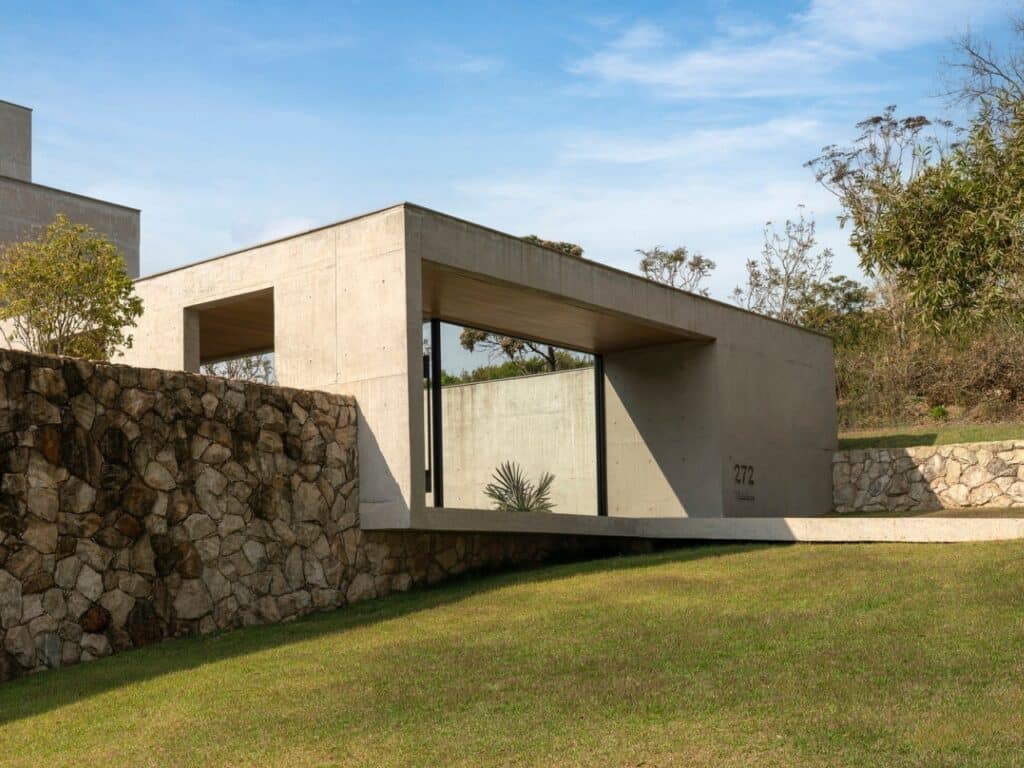
In this case, the design follows a longitudinal layout that aligns with the land’s slope, allowing the building to flow naturally with the incline rather than against it. This approach enhances openness to the surrounding landscape, such as the mountains and the valley below, while also improving the use of natural light and cross-ventilation.
Privacy and Natural Protection
Moreover, elevated terrain provides natural protection for the building, such as shielding it from direct afternoon sunlight and ensuring privacy from neighboring structures. Meanwhile, the side facing the valley is fully opened, allowing the house to benefit from optimal natural lighting and ventilation without additional architectural interventions.
Embracing Logic in Design
This approach demonstrates a clear logic in residential design; it integrates the natural site into architectural solutions rather than treating it as a problem. Nevertheless, this type of thinking remains rare, as it requires a vision that goes beyond conventional methods of handling terrain.
The Experience of Approaching the House
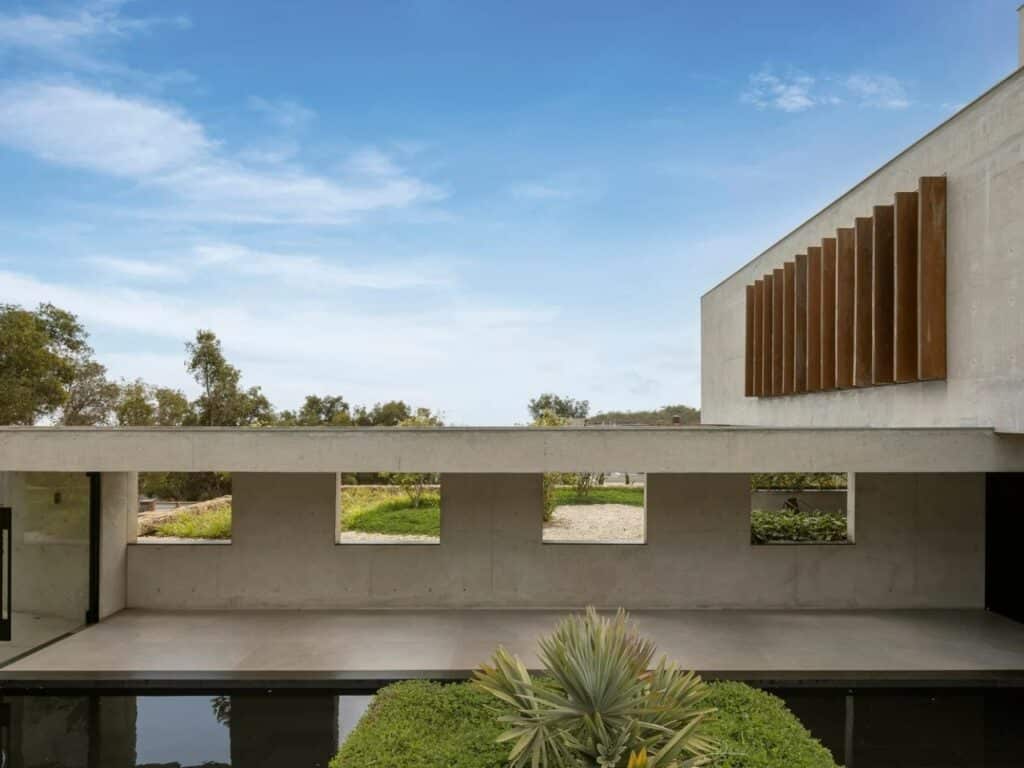
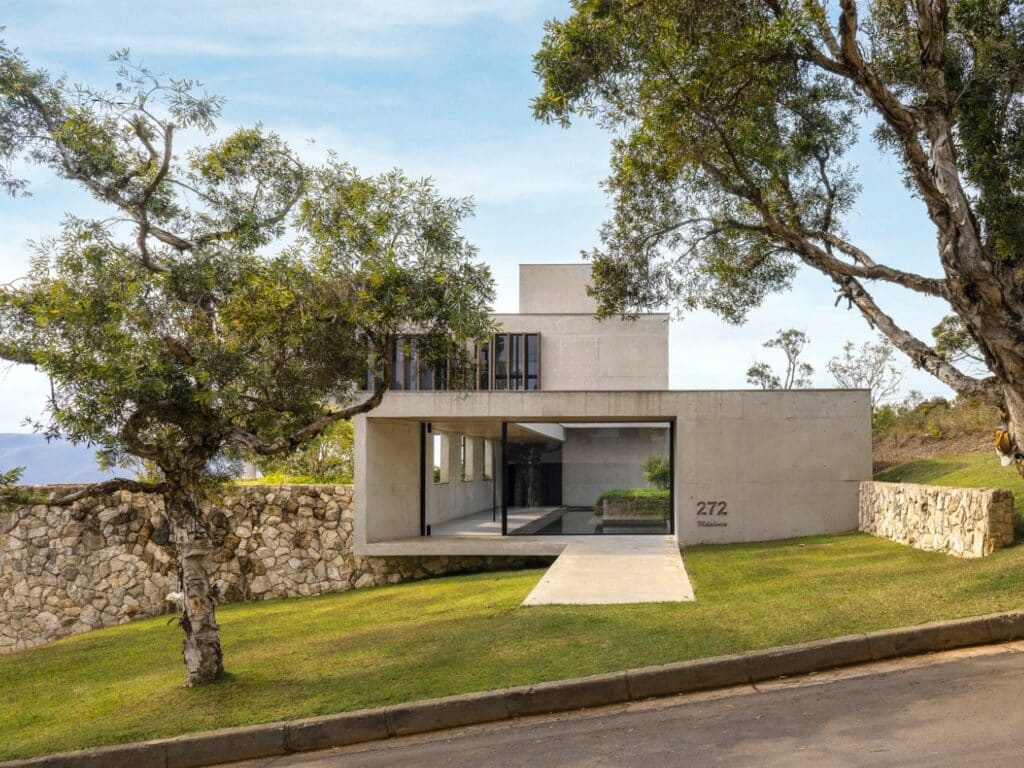
The design of the approach path illustrates how architecture can create a sensory experience even before entering the building itself. The path passes directly over a reflective water basin, adding a visual and tactile dimension to the journey. This choice is deliberate, highlighting the importance of sequence in design and how an architect can guide the user’s senses, allowing them to begin feeling the space before actual entry.
Integration of Interior and Exterior
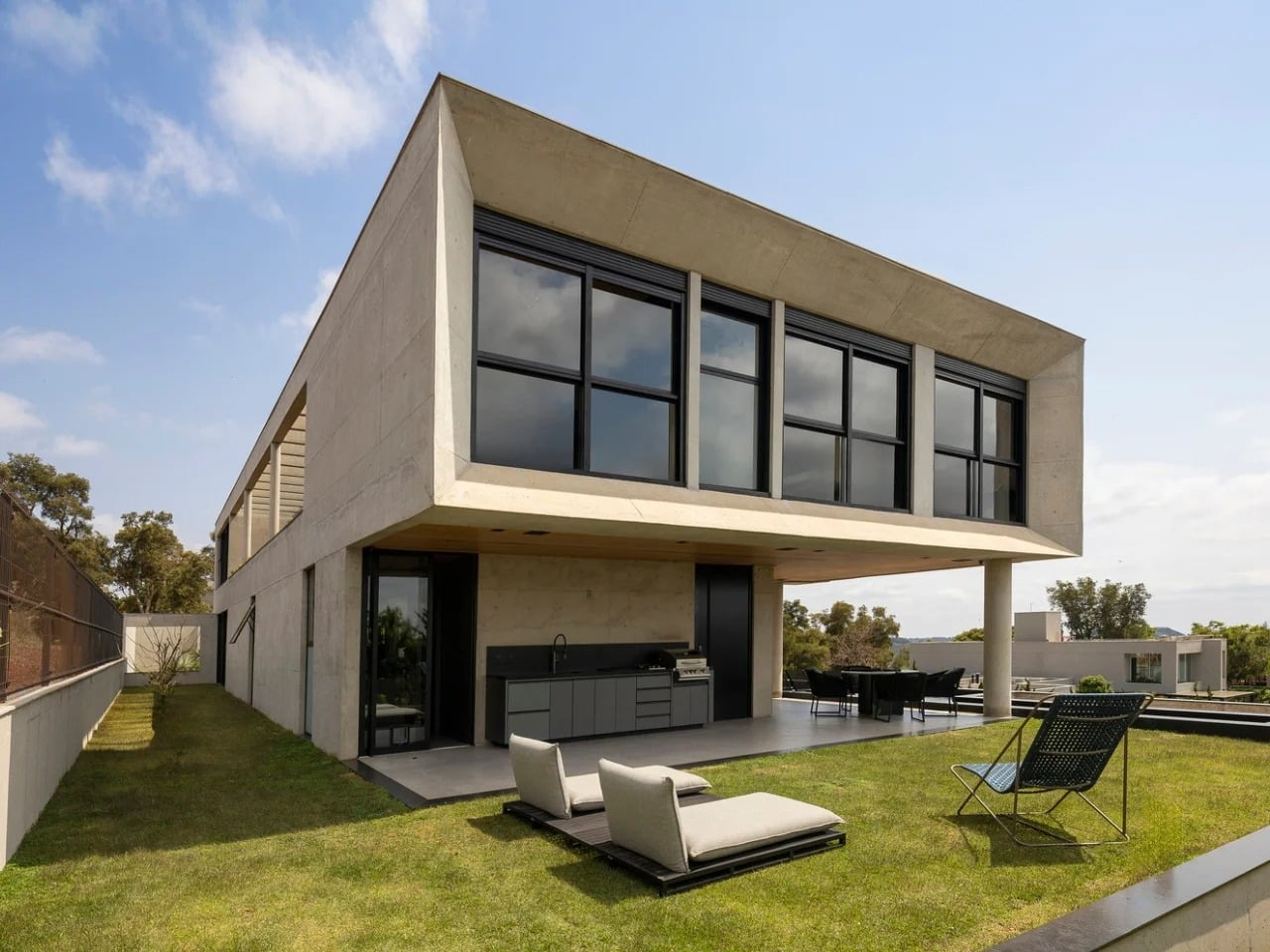
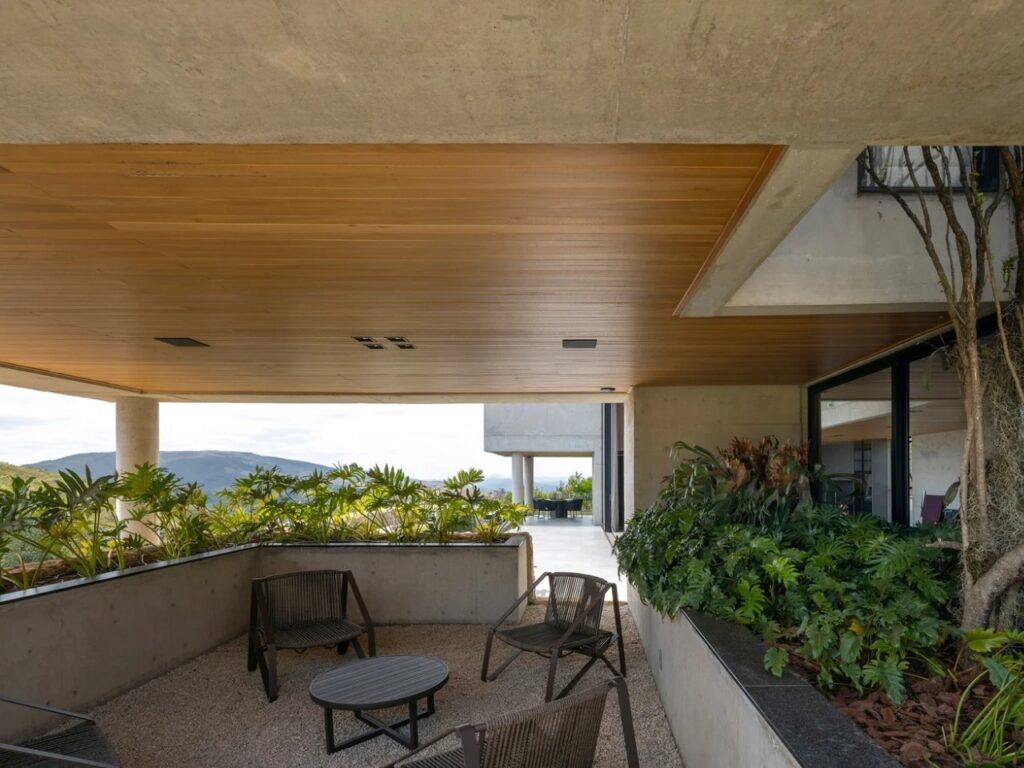
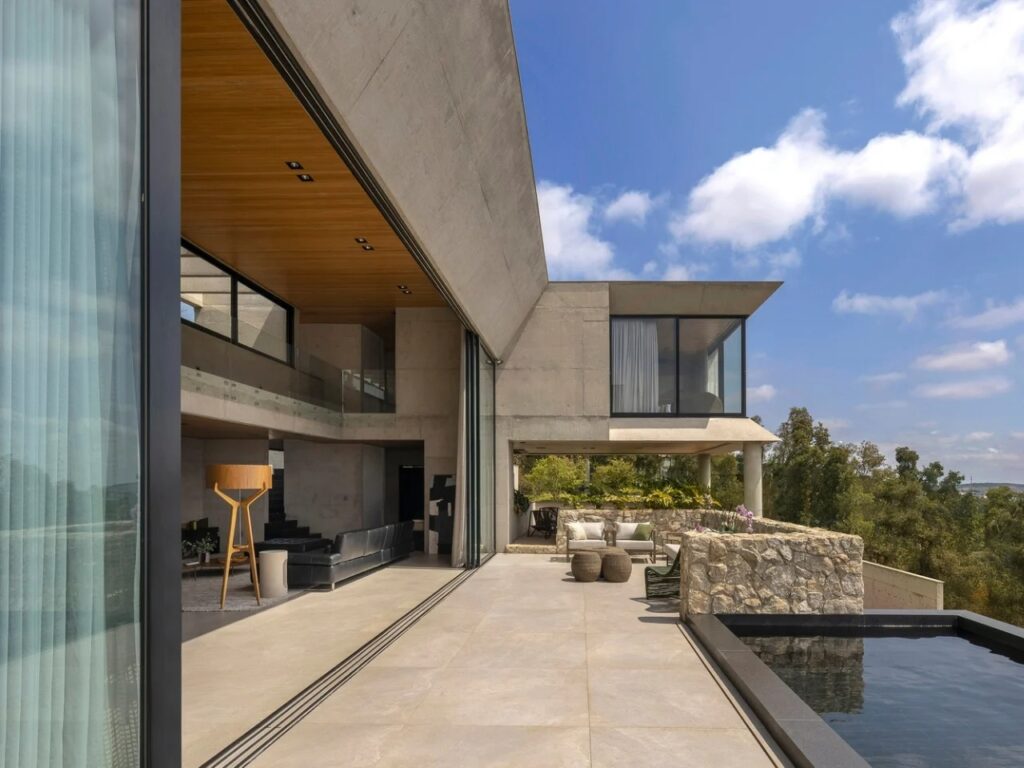
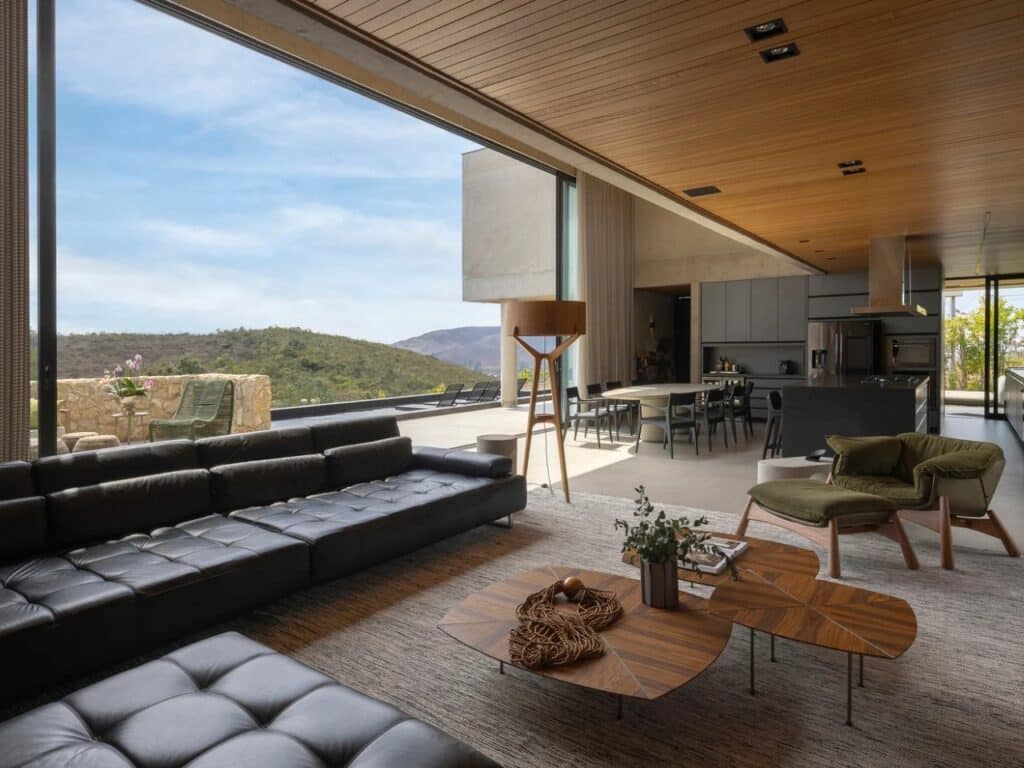
Upon entering, the multi-level layout reveals a clear strategy in spatial organization. Social areas are located on the intermediate floor, connected to a covered terrace and pool through expansive glass facades, enhancing the integration between interior and exterior. This overlap goes beyond mere views; it reflects a design philosophy that places nature at the core of the residents’ daily experience.
Orienting Views and the Landscape
On the upper floor, bedrooms are arranged in two separate blocks connected by a central corridor, with each room oriented toward the horizon. The choice of these views is not merely an aesthetic preference but an essential part of the architectural design, making the natural scenery a key element of daily living and reinforcing the close relationship between the site and the building.
Simplifying the Material Palette
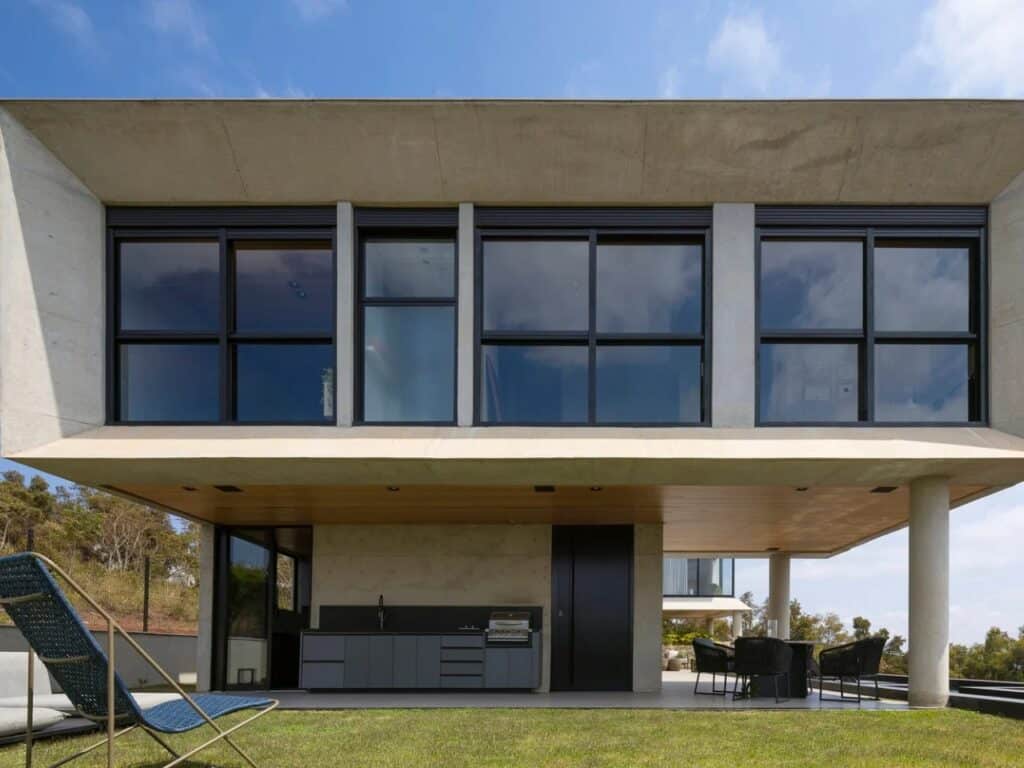
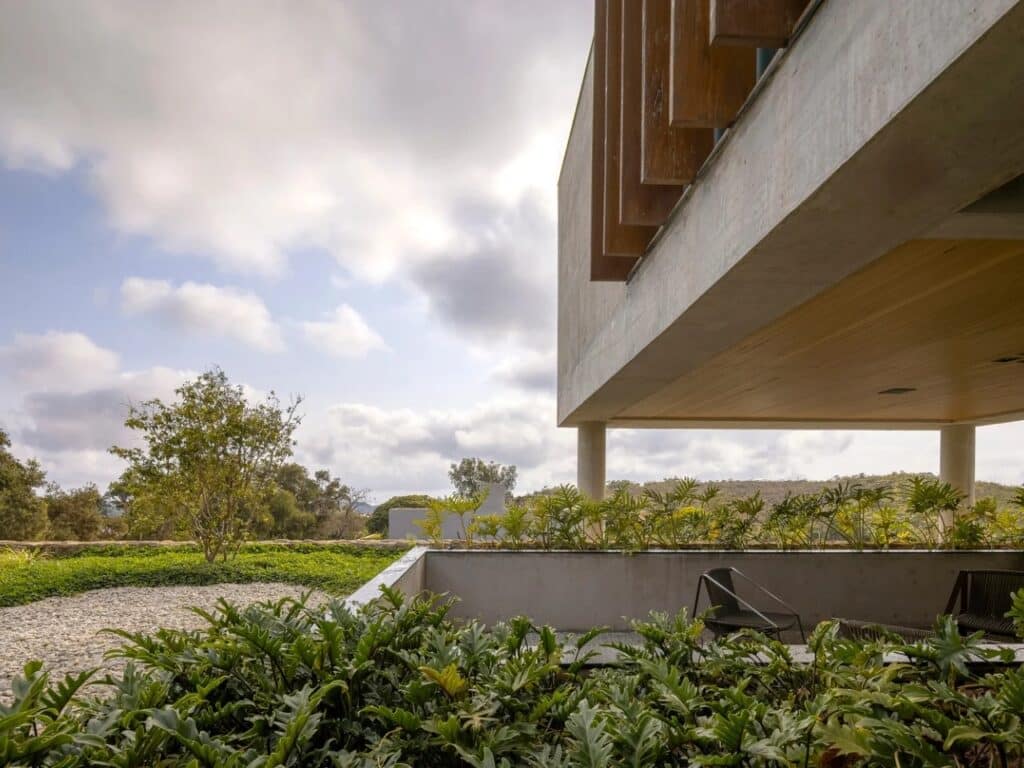
In this project, the selection of materials was deliberately limited, focusing on a single primary element: exposed concrete. This choice emphasizes the house’s character, as its solidity harmonizes with the vibrant red earth that defines the site. Concrete is often perceived in residential contexts as a cold or institutional material if used without care, but here it serves a different role. The material conveys a sense of honesty and authenticity, without attempting to mimic traditional warmth or softness, reflecting the project’s independence and confidence in its design approach.
Context-Driven Design
The confidence in material selection and spatial organization distinguishes this project. The goal was not mere modernity or showiness; rather, clear design decisions were made based on a precise understanding of the climate, terrain, and movement experience within the space.
- The reflective basin at the entrance sets the visual rhythm and prepares visitors for the spatial experience.
- The closed rear wall shields from the western sun and enhances privacy.
- Glass facades on the front open the house to the landscape and allow for natural cross-ventilation.
- The corridor connecting the two bedroom blocks ensures smooth circulation and a coherent daily experience for residents.
Impact of Design Decisions
The final outcome is a meticulous layering of architectural choices, making the house feel both monumental and open, calm yet comfortable for everyday use. Every small decision contributes to a holistic experience, where nature, space, and material interact in a coordinated way, reflecting a focused and conscious design philosophy.
Photography as a Tool for Understanding the Site
Jomar Bragança’s photographs demonstrate how architectural photography can go beyond visual embellishment to become an analytical tool. Through these images, viewers can directly grasp the site’s characteristics: the slope, the heat, the red earth, and the valley stretching below. Here, light does more than enhance aesthetics; it acts as a visual narrative, explaining why the site was chosen and how the building is oriented. This ability to convey a sense of place is a significant challenge in architecture photography.
Contemporary Architecture in the Brazilian Context
Brazilian contemporary architecture provides a clear example of how a building can integrate with its site rather than attempting to impose a uniform global language. Projects such as GM House illustrate that design success does not depend on following global trends, but on a precise reading of the plot and responding to it with awareness and confidence.
The Value of Engaging with the Terrain
Designs that respond thoughtfully to the site create experiences that are hard to ignore. Attention to the terrain, light, and the orientation of views leads to architectural solutions that feel logical and harmonious, even when they diverge from conventional approaches. This type of design requires a deep understanding of the environment and context, making the building a natural part of the landscape it inhabits.
✦ ArchUp Editorial Insight
GM House emerges as the result of a spatial solution imposed more by the balance of capital flows, land-use regulations for sloping plots, and locally directed financial resources toward exclusive housing than by any explicit design intent. The challenging site topography, partial climatic exposure, and regulatory constraints on earthworks dictated a longitudinal arrangement of programs that maximizes occupancy efficiency while minimizing mitigation costs.
Elements such as the reflective basin and the graduated levels act as conciliatory spatial solutions: they guide the movement of residential units along the constrained slopes and provide layers of protection against sun exposure and privacy intrusion. Material selection, particularly exposed concrete, is not an aesthetic statement but a normative response to labor, supply, and maintenance systems.
Ultimately, the house stands as a material record of capital distribution, risk management, and regulatory potential, where form expresses systemic pressures rather than an independent architectural narrative.