How the Inca Shaped the Mountains with Smart Design – The Legacy of Andean Architecture

Overview
High in the rugged Andes Mountains, where the terrain challenges human settlement, the Inca civilization achieved one of history’s most remarkable architectural triumphs. Their terraces and cities — carved directly into steep mountain slopes — were not only feats of engineering but also masterpieces of ecological intelligence. From Cusco to Machu Picchu, every structure reveals how the Incas transformed the natural landscape into a living architectural organism.
The Inca Empire, established in the 13th century under the leadership of Pachacuti Inca Yupanqui, laid the foundations for this architectural philosophy. Built from locally quarried granite and andesite, their structures remain a symbol of harmony between human intent and natural form.
Architectural Design
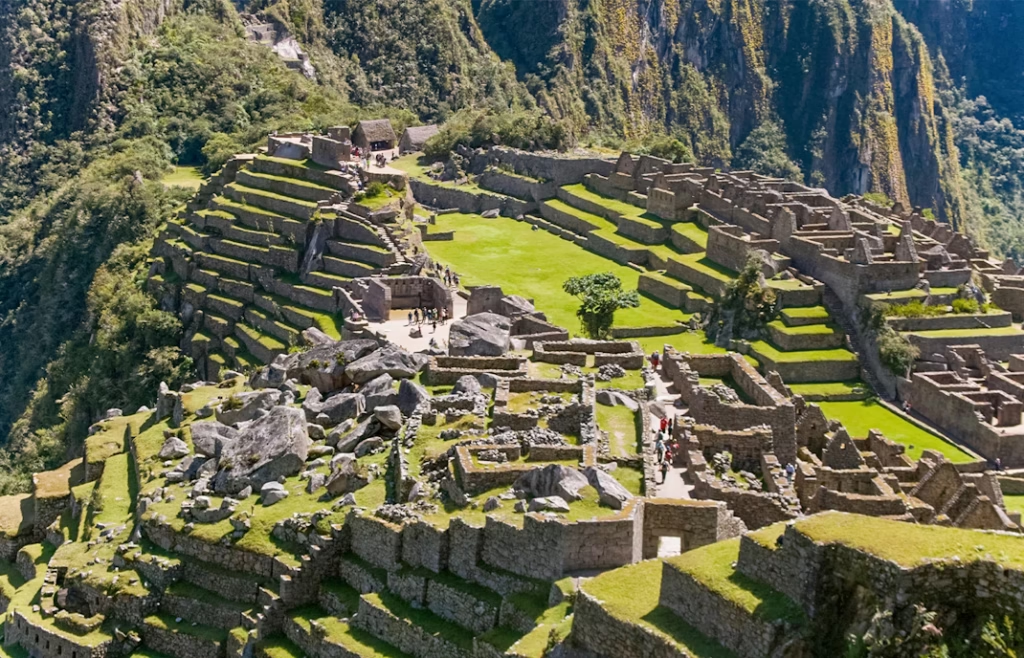
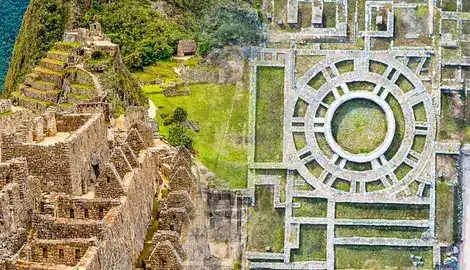
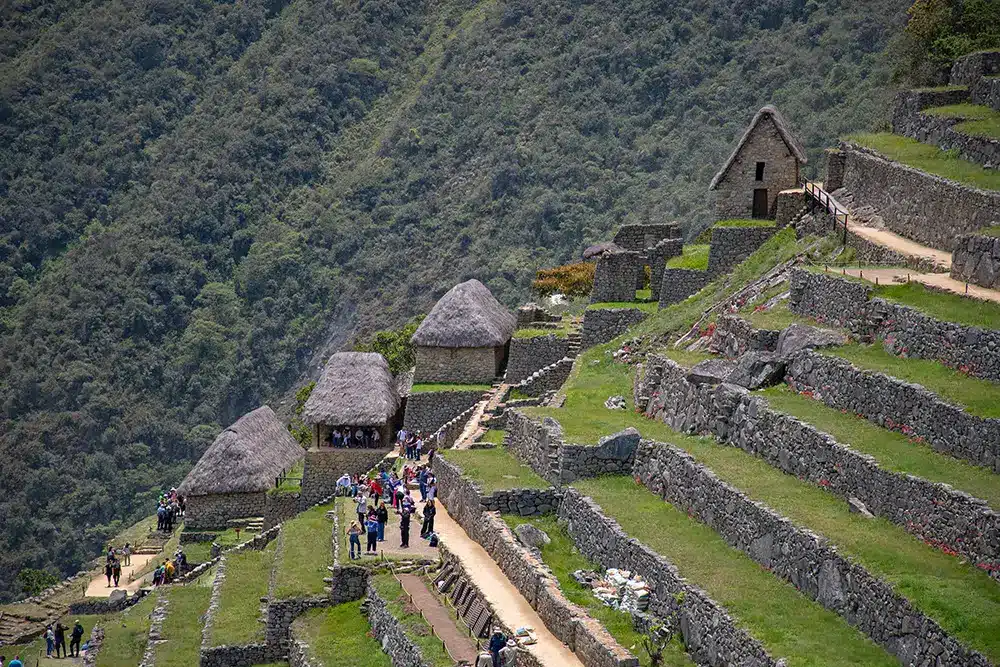
Inca architecture is characterized by terraced construction, precision stone masonry, and contextual adaptation. The agricultural terraces (Andenes) were designed with retaining walls up to 4 meters high, layered with gravel and fertile soil to ensure drainage and temperature control. These terraces expanded arable land in impossible terrain, feeding entire mountain communities.
The buildings themselves — temples, storage houses, and dwellings — followed a modular rectangular plan. Their signature trapezoidal doorways and windows provided both aesthetic balance and seismic resistance. Stones were meticulously cut to fit without mortar, an enduring testament to the Incas’ mastery of form and structure.
Material and Sustainability
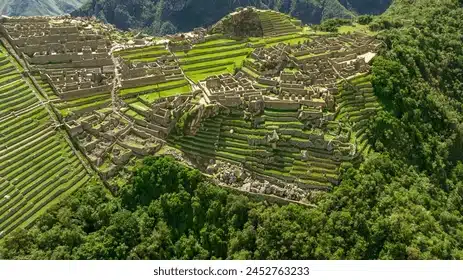
The Incas’ use of dry stone (ashlar) was more than a stylistic choice; it was a response to seismic activity. The interlocking system allowed buildings to absorb shocks without collapsing. Natural pigments were used to mark sacred stones, and hydraulic channels carried mountain water to ceremonial baths and agricultural fields.
Their approach was an early form of eco-adaptive architecture, integrating hydrology, geology, and agriculture centuries before the modern concept of sustainability emerged.
Symbolism and Function
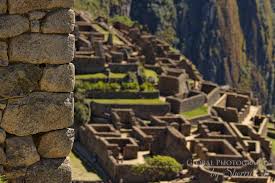
Inca architecture expressed more than function — it embodied cosmic order. The vertical hierarchy of settlements mirrored the Andean worldview: the lower levels represented the human realm (Kay Pacha), while upper temples symbolized the divine (Hanan Pacha). Every stairway and plaza was a metaphor for ascent — from the earthly to the spiritual.
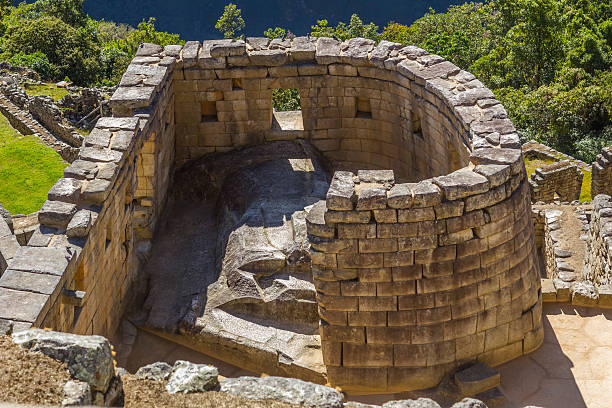
Temples such as the Coricancha in Cusco and the Sun Temple at Machu Picchu served both astronomical and ceremonial roles, aligning perfectly with solstices to mark the cycles of time and nature.
Integration with Nature
Unlike civilizations that imposed geometry on the land, the Incas allowed the mountains to dictate design. Each wall and terrace follows the natural contours of the slopes, forming a dialogue between architecture and topography. The city of Machu Picchu, perched at 2,430 meters above sea level, remains the most vivid expression of this philosophy — a city that seems to grow organically from stone and cloud.
Current Status and Recognition
Today, major Inca sites — including Machu Picchu, Sacsayhuamán, and Pisac — are UNESCO World Heritage Sites, celebrated for their cultural, environmental, and engineering significance. Ongoing preservation efforts focus on maintaining the delicate balance between tourism and heritage conservation.
These architectural relics continue to inspire architects exploring contextual design, proving that innovation need not come at the expense of ecology.
Quick Architectural Facts
- Founded: 13th century, during the reign of Pachacuti
- Average terrace height: 3–4 meters
- Elevation of Machu Picchu: 2,430 meters above sea level
- Main materials: granite, andesite, earth, and wood
- Structural system: dry-stone interlocking masonry
✦ ArchUp Editorial Insight
The Inca architectural legacy stands as a profound dialogue between human ingenuity and natural resilience. Defined by precision masonry, eco-adaptive planning, and symbolic spatial hierarchy, these structures represent a holistic understanding of environmental design centuries ahead of modern sustainability theories. While their contextual sensitivity is unmatched, it also raises a question for contemporary practice: can current architecture achieve such integration without losing its technological identity? The Inca example endures as a timeless model for contextual relevance, spatial humility, and sustainable ambition in architecture.