Interlock Pavers

Overview
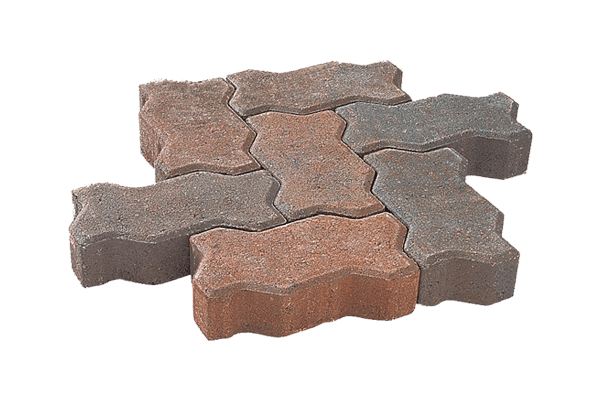
Interlock pavers are pre-cast modular concrete blocks used widely for outdoor paving in residential, commercial, and urban spaces. These blocks interlock securely, creating a durable, stable, and aesthetically appealing surface. Known for their versatility, interlock pavers are available in various shapes, sizes, colors, and textures, making them ideal for driveways, walkways, patios, and more.
Properties and Characteristics
- High Durability: Can withstand heavy loads and high traffic, making them suitable for driveways and public spaces.
- Weather Resistance: Withstand rain, heat, frost, and other harsh conditions without degradation.
- Interlocking Mechanism: Provides structural integrity and prevents shifting or displacement.
- Aesthetic Versatility: Available in a wide range of designs, patterns, and colors to suit various architectural styles.
- Ease of Maintenance: Minimal effort required to clean and maintain; damaged units can be replaced individually.
Common Uses
- Residential Areas: Driveways, walkways, patios, and gardens.
- Commercial Spaces: Shopping malls, public parks, and urban plazas.
- Industrial Applications: Durable flooring for warehouses and other heavy-duty areas.
- Public Infrastructure: Roads, sidewalks, bus stops, and parking lots.
Standard Dimensions and Sizes
- Shapes: Rectangular, square, hexagonal, and custom shapes.
- Thickness:
- Light-duty: 60 mm.
- Heavy-duty: 80 mm or more.
- Sizes: Typically range between 100×100 mm and 300×300 mm.
Density and Weight
- Density: 2,200-2,400 kg/m³.
- Weight Per Unit: Varies based on size and thickness. For example, a 200x200x60 mm paver weighs approximately 2.7-3.0 kg.
Durability and Lifespan
- Interlock pavers are known for their long lifespan, often exceeding 30 years with proper installation and maintenance.
- Their ability to flex slightly makes them resistant to cracking.
Advantages
- Eco-Friendly Options: Made from recyclable materials and can be reused.
- Permeable Designs: Reduce water runoff and enhance groundwater recharge.
- Cost-Effective Maintenance: Damaged pavers can be replaced without disturbing the rest of the installation.
Comparison with Other Materials
| Feature | Interlock Pavers | Concrete Slabs | Asphalt |
|---|---|---|---|
| Durability | High | High | Moderate |
| Installation Time | Moderate | Moderate | Fast |
| Aesthetic Variety | High | Moderate | Low |
| Maintenance | Low | Moderate | High |
Applications
- Walkways and Paths: Durable and slip-resistant for safe pedestrian use.
- Driveways: Designed to withstand vehicle loads without cracking.
- Urban Infrastructure: Commonly used in city sidewalks, plazas, and public spaces for their durability and aesthetics.
Installation Guidelines
- Prepare the Site: Clear the area and ensure a level base.
- Apply the Base Layer: Lay crushed stone or sand to provide a stable foundation.
- Position the Pavers: Arrange them in the desired pattern.
- Compact the Pavers: Use a compactor to secure the blocks in place.
- Finishing Touches: Fill the joints with sand and seal if necessary.
Pricing and Availability
- Cost Range: $10-$30 per square meter, depending on design and thickness.
- Factors Affecting Cost: Size, thickness, design complexity, and regional availability.
Maintenance Tips
- Regular Cleaning: Sweep the surface and wash with water or mild detergent as needed.
- Joint Sand Replenishment: Periodically refill the joint sand to prevent weed growth.
- Replace Damaged Units: Individual pavers can be swapped without disturbing the overall structure.
Case Studies
- Urban Walkways: Used in city sidewalks to create durable and visually appealing pedestrian pathways.
- Commercial Spaces: Shopping centers and parks utilize interlock pavers for their aesthetic and structural benefits.